Cuba’s first private nursing home opens in Havana amid aging crisis
A 10-bed private elder home in Vedado now charges up to $2 an hour, putting Cuba’s aging crisis and widening inequality in the same room.
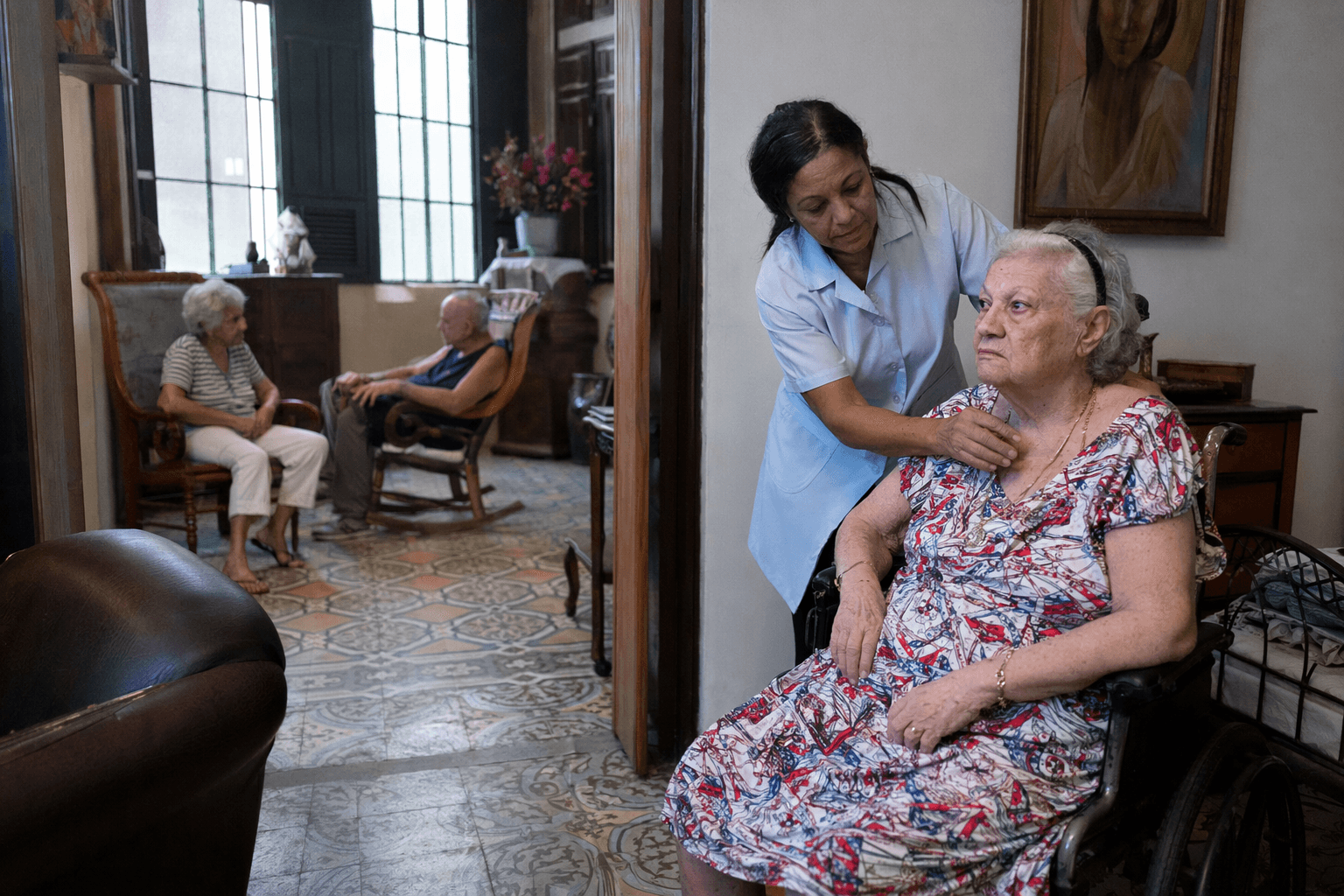
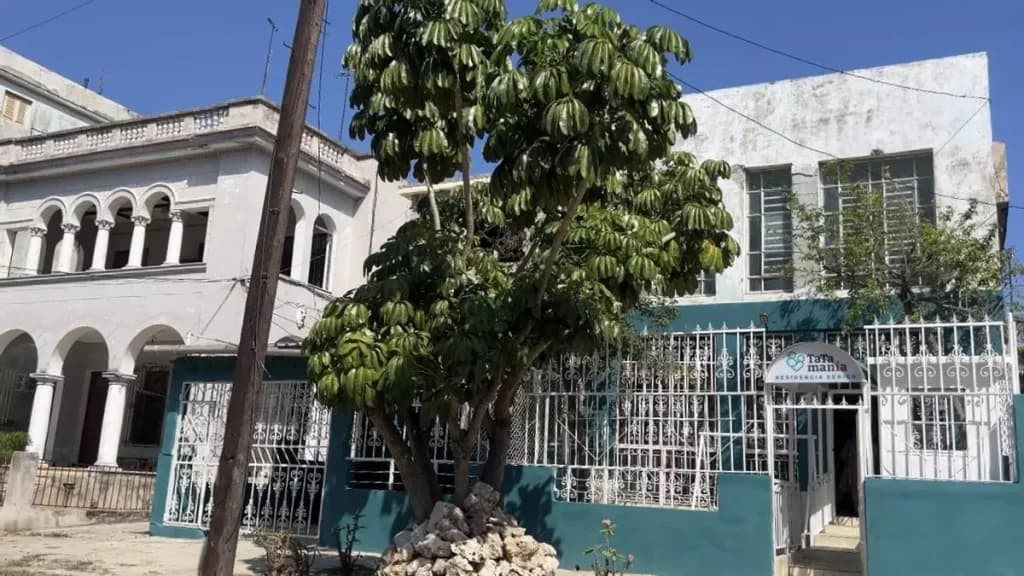
A 10-bed nursing home in Vedado has turned elder care into a luxury line item, with hourly rates of roughly $1 to $2 and a minimum monthly price of $1,080 for a spot in a double room. TaTamanía! Senior Residence is the first private nursing home to open in Cuba in decades, and its arrival lays bare a harder question than whether the business will work: who in Cuba can actually afford to grow old with dignity?
The residence is run by a Cuban private business with bank accounts in the Dominican Republic, and it employs administrative staff as well as caregivers, including medical professionals, nurses and physical therapists. That mix makes it look less like a spare boarding house and more like a premium service built for families with access to hard currency, remittances or other outside support. For everyone else, the math is brutal. Cuba’s state salaries and pensions remain far below what a stay in a private care home costs, and the gap is the story.
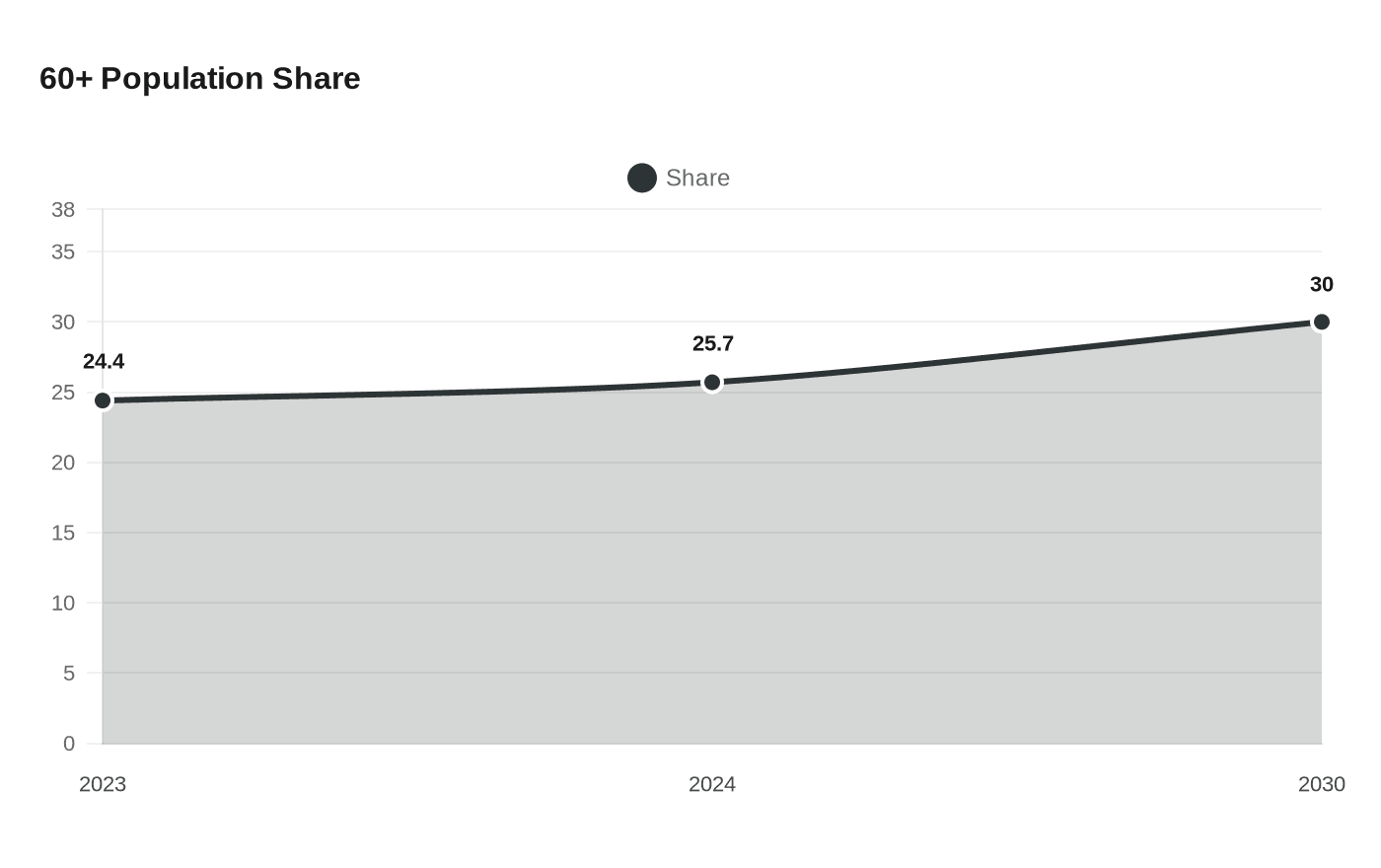
The demographic pressure behind that gap is already visible. The Pan American Health Organization says Cuba’s population fell to 10,979,783 in 2024, while people over 65 made up 16.6% of the total. Other data based on the country’s statistics office put the share of Cubans age 60 and older at 24.4% by the end of 2023, with estimates rising to 25.7% by the end of 2024. One projection says the 60-plus population could reach 30% by 2030. Cuba is getting older fast, even as the country’s capacity to care for that population keeps shrinking.
That is why TaTamanía! feels less like a novelty than a stress test for Cuba’s social contract. The translated version of the story says the law requires the home to reserve 10% of its places for vulnerable people at a state-set rate, a small quota that only underlines how narrow the service remains. Ten beds can never cover a national need, but they can show where the system is breaking: in the space between public obligation and private survival.
The state’s own pension rules have widened that divide. In January 2024, the Ministry of Labor and Social Security clarified that changes under Decree 99 to the pension calculation applied only to workers in the state enterprise system, not to the presupuestado sector. That distinction matters because it shows how uneven reform has been for retirees, many of whom are trying to live on incomes that cannot touch private care prices.
Seen that way, the scandal is not only the business itself. It is the country that made a private nursing home necessary, then priced it so high that it becomes proof of inequality before it becomes proof of innovation.
This article was produced by Prism’s automated news system from verified source data, official records, and press releases, then run through automated quality and moderation checks before publishing. The system is built and supervised by the people who set the standards it runs under. Read our full AI policy.
Did this article answer your question?