Díaz-Canel Warns Cuba Will Fight Back Against Any US Military Action
Díaz-Canel told Newsweek Cuba would wage "war of the entire people" if attacked; Rubio dismissed the threat in four words while Cubans endure their third island-wide blackout in weeks.
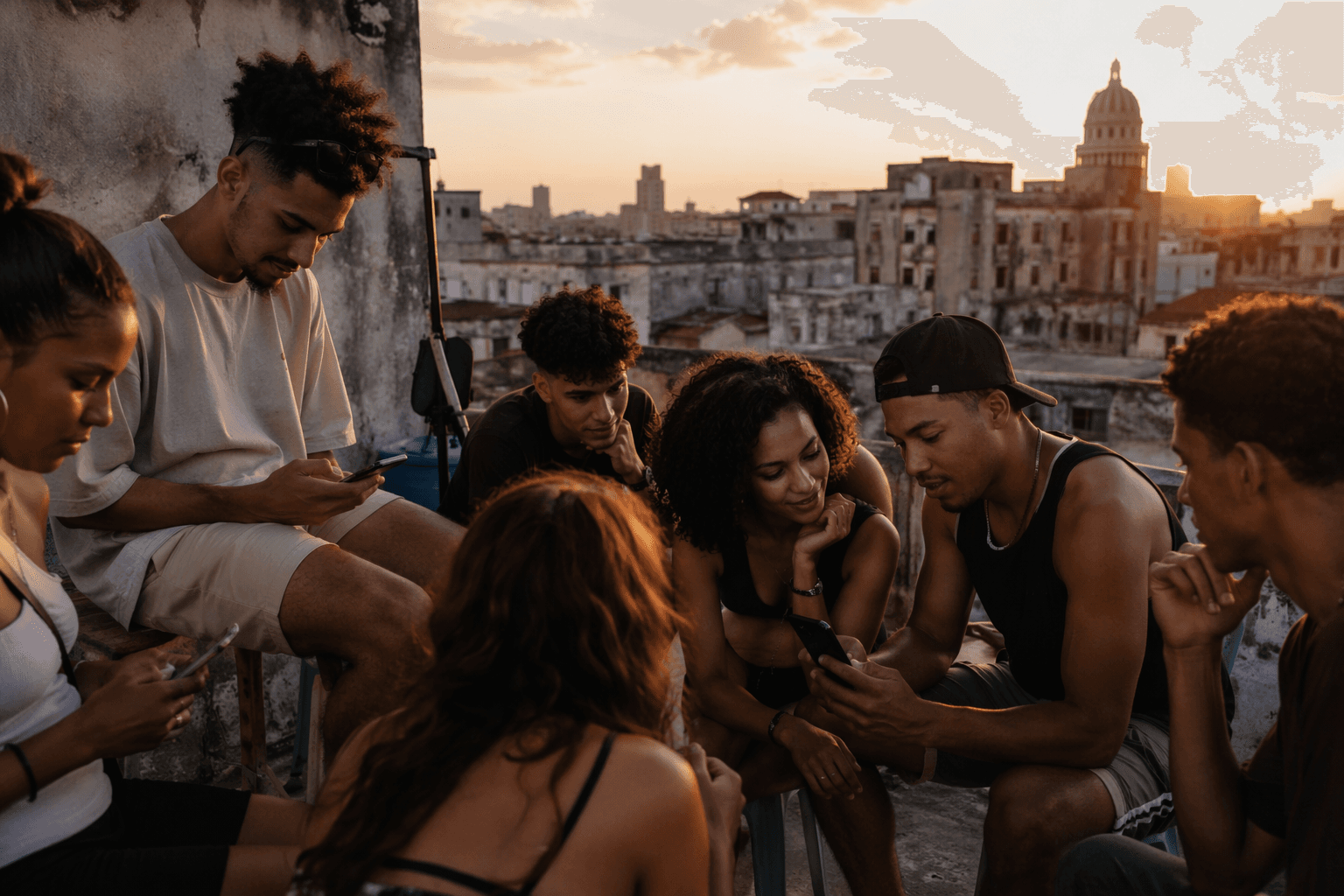
Cuba has suffered three island-wide blackouts in three weeks. Hospital procedures are being rationed. Havana residents are heating water over wood fires. That is the country Miguel Díaz-Canel was defending when he sat down for his first interview with an American outlet since 2023.
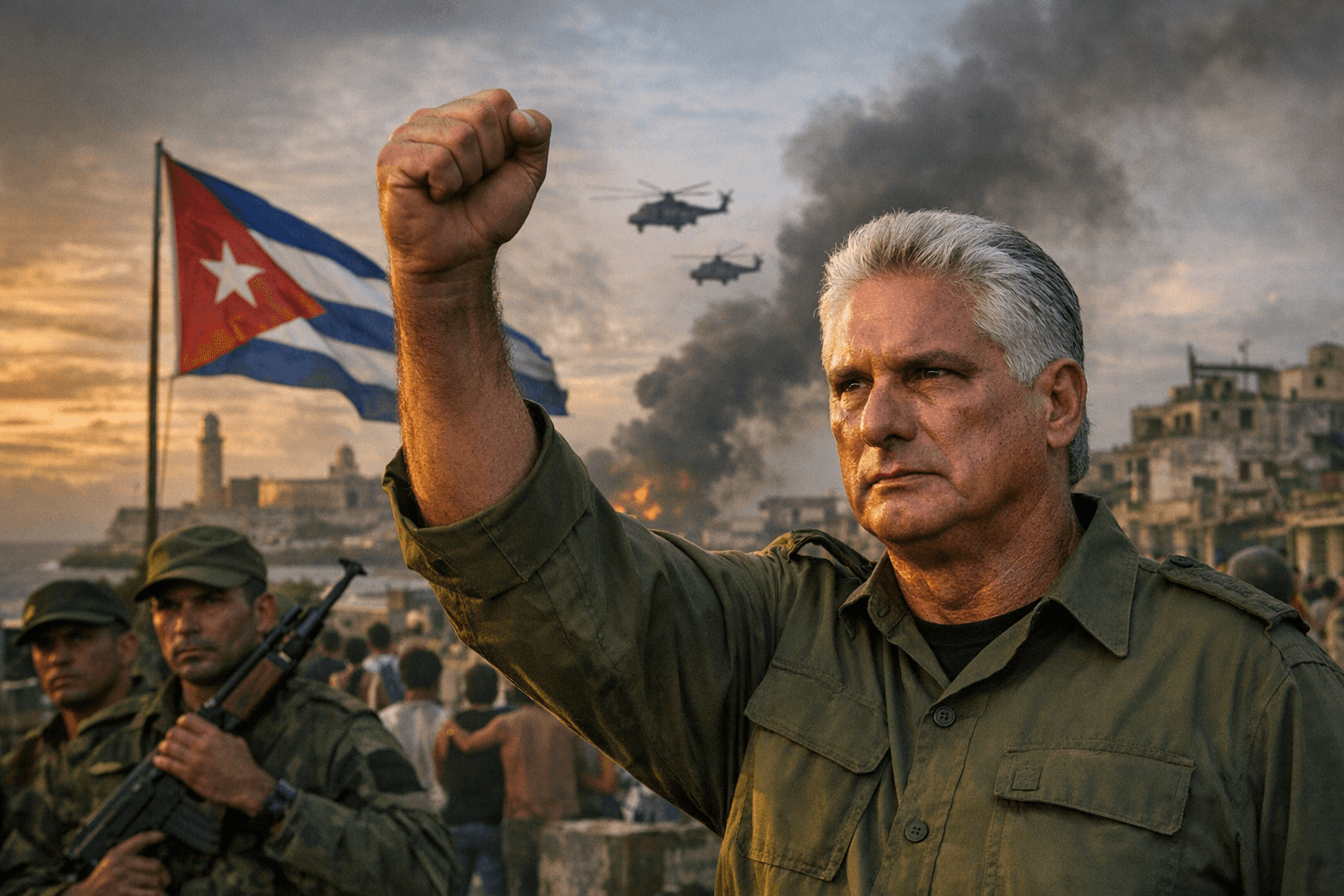
Speaking at the Presidential Palace in Havana on April 3, Díaz-Canel told Newsweek that Cuba would respond to any US military action with what he called a "war of the entire people," a doctrine built on mass civilian mobilization. "We will always strive to avoid war. We will always work for peace. But if military aggression occurs, we will retaliate, fight, and defend ourselves," he said. He warned Washington that any operation would "result in immense losses" for both countries. He closed the argument by invoking a line from Cuba's national anthem: "And if we fall in battle, to die for the homeland is to live."
Secretary of State Marco Rubio dismissed Díaz-Canel's guerrilla warfare threats with a concise remark: "I don't think much of what he has to say," he told journalist Leo Feldman.
That dismissal is itself a signal. The Trump administration has not formally listed military action against Cuba as policy. What it has done is far more consequential on the ground. In December 2025, as part of the escalation that ended with the United States intervention in Venezuela, the United States seized tankers with Venezuelan oil destined for Cuba and declared a blockade on exports of Venezuelan oil. In January 2026, the Trump administration cut off Venezuelan oil shipments to Cuba and threatened tariffs on other countries that exported oil to the island. Mexico subsequently suspended planned shipments.
Critical oil shipments from Venezuela were halted after the US attacked the South American country in early January and arrested its then-president, Nicolás Maduro. While Cuba produces 40% of its petroleum, that share cannot sustain the grid. On March 4, a blackout hit the western half of Cuba. On March 16 and 21, the entire country suffered two more blackouts. On Monday, Cuba was plunged into an island-wide blackout affecting 11 million people after a "complete disconnection" of its electrical system. Two Russian shadow fleet tankers were expected to deliver oil and diesel in late March, enough for a couple of weeks.
Almost three months after the US effectively imposed an oil blockade on Cuba that worsened its energy crunch, nearly every aspect of Cuban society has been feeling the strain. Trash has been piling up on the streets of the capital, hospital stays and surgeries are being limited, people are using wood fires to heat water, and blackouts have become commonplace.
Díaz-Canel's Newsweek interview threads a needle the Cuban government has been walking for months: wartime rhetoric paired with explicit appeals for negotiation. He told the magazine that Cuba had given Washington no legitimate reason for aggression: "There is no pretext, no excuse for the United States to resort to military aggression as a way out to resolve our differences."
Earlier this month, Trump suggested he could "free" or "take" Cuba, even as he said talks with the government were progressing. "I think I could do anything I want with it," he said. Rubio's political career has long been defined by calls for regime change, with some observers arguing the US secretary of state was likely a main architect of the Trump administration's military campaign against Venezuela, which has for years aligned closely with Havana.
The invasion language Díaz-Canel is deploying changes little in practical terms for the 11 million people on the island. The blackouts, the food lines, the fuel rationing: those arrived months before the Newsweek interview. What the rhetoric does shift is the diplomatic temperature for the Cuban diaspora watching negotiations over sanctions, travel, and remittances, where every uptick in Havana's combative tone hands Washington a ready justification to hold its position.
This article was produced by Prism’s automated news system from verified source data, official records, and press releases, then run through automated quality and moderation checks before publishing. The system is built and supervised by the people who set the standards it runs under. Read our full AI policy.
Did this article answer your question?