European Parliament calls to suspend Cuba talks, sanction Díaz-Canel
Lawmakers backed suspending EU-Cuba talks and sanctioning Miguel Díaz-Canel, a 283-199 vote that sharpened Europe’s line on Havana.
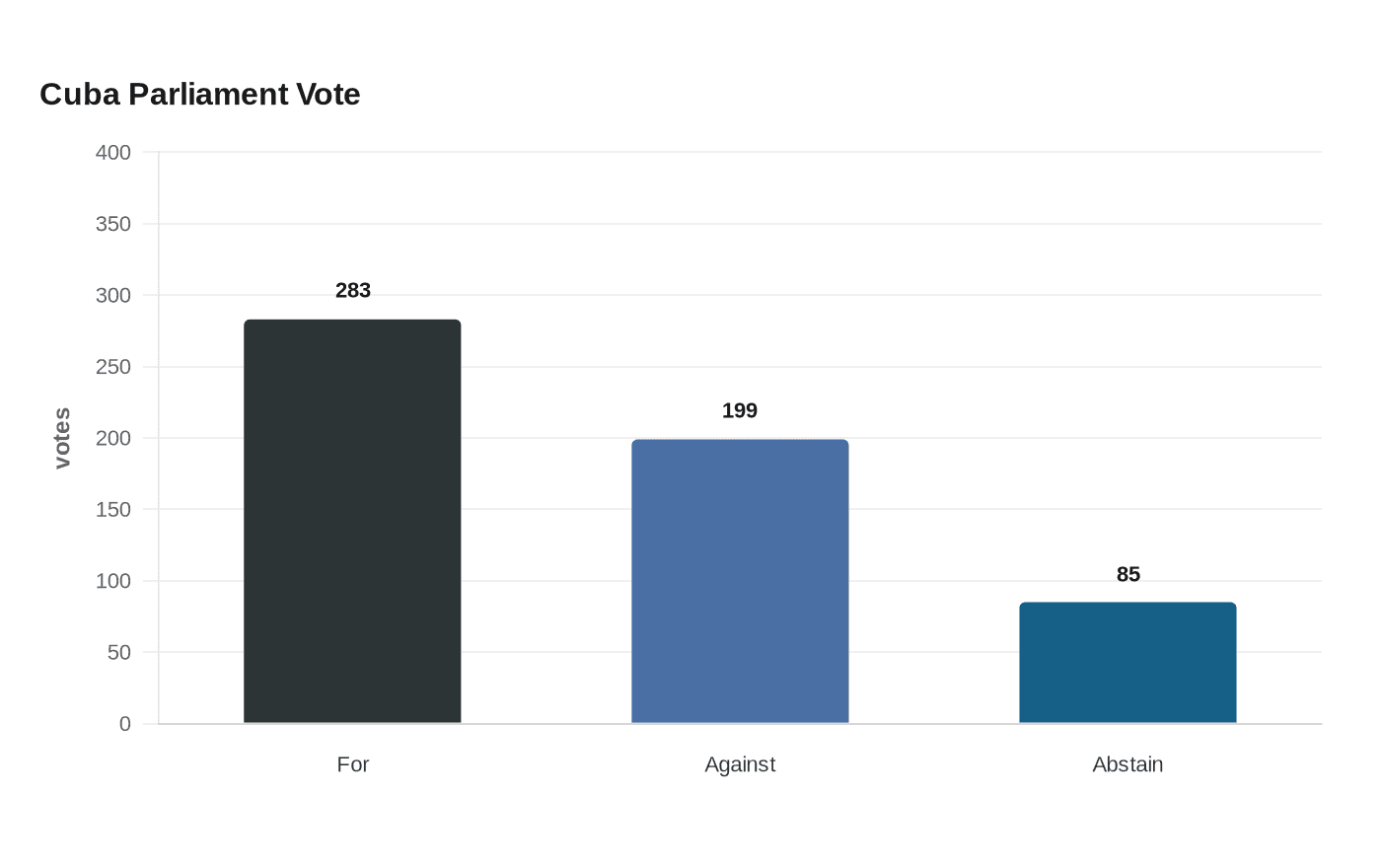
The European Parliament voted Thursday to call for the immediate suspension of political dialogue and cooperation agreements with Havana unless Cuba moves toward multiparty democracy and frees political prisoners. The measure passed 283-199, with 85 abstentions, and also singled out President Miguel Díaz-Canel for targeted sanctions.
The vote gave the clearest parliamentary expression yet to mounting anger in Brussels over Cuba’s political direction and human-rights record. Lawmakers said the island was at risk of becoming a failed state after more than five decades of communist rule, and they argued that Cuba’s humanitarian emergency stemmed from the government’s own model and failures rather than outside pressure.
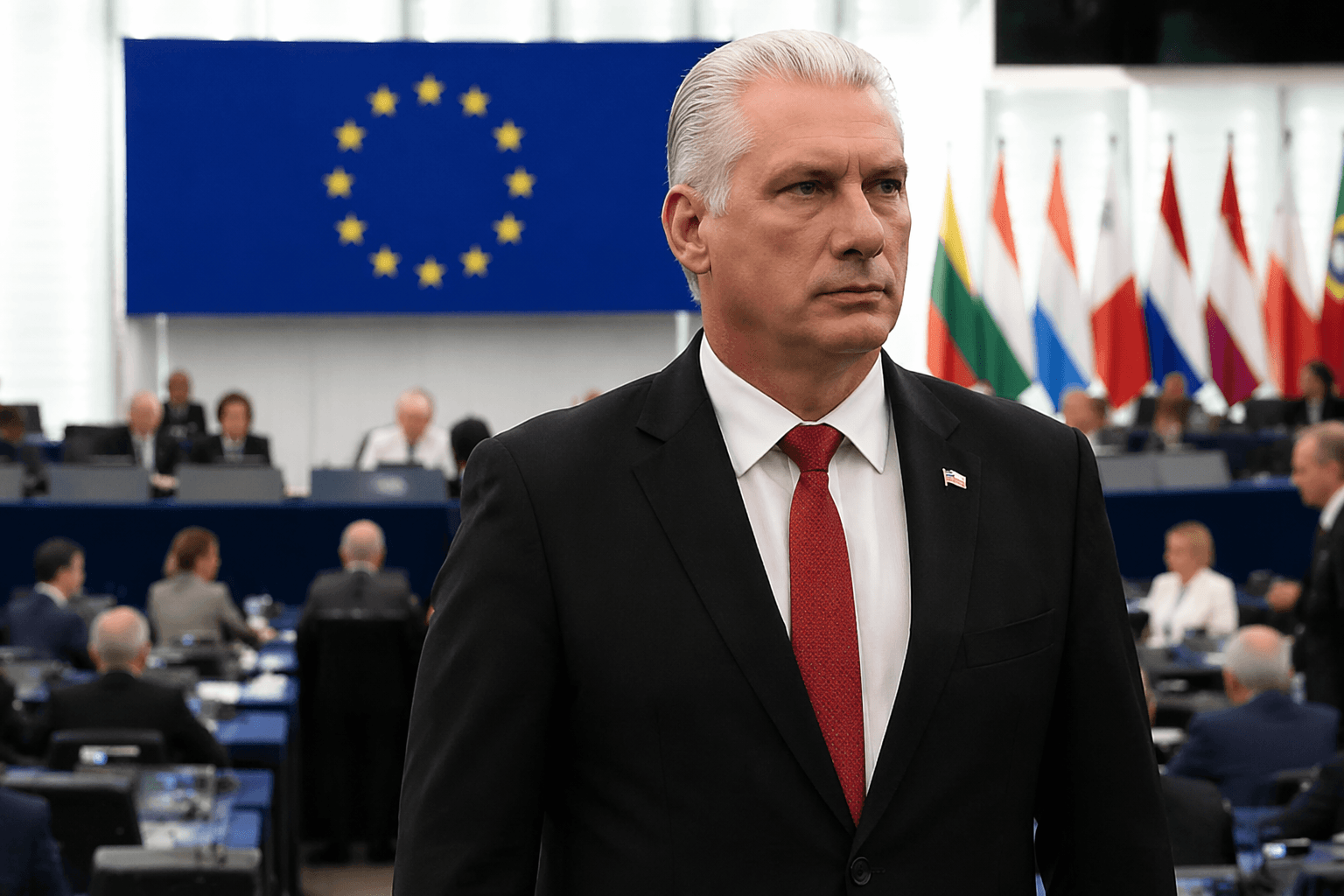
The resolution went beyond rhetoric. It urged the European Union’s Council to activate a Magnitsky-style sanctions regime that would freeze assets and ban travel to Europe for key Cuban figures, including officials from the Revolutionary Armed Forces, the Interior Ministry and executives tied to GAESA. It also identified officials the Parliament considered responsible for repression.
At the center of the text was the 2016 EU-Cuba Political Dialogue and Cooperation Agreement, the framework that has underpinned the bloc’s engagement with Havana for years. The Parliament called for that agreement to be suspended if the Cuban government does not release roughly 1,300 political prisoners, end harassment of activists and begin a genuine democratic transition. It also said the crisis had left 89 percent of families living in extreme poverty.
The vote now tests whether Europe is prepared to move from criticism to pressure. The Parliament has drawn a hard line, but the practical weight still depends on whether the Council and member states are willing to turn that stance into suspended talks, sanctions and limits on the political cover Havana has long received from Europe.
This article was produced by Prism’s automated news system from verified source data, official records, and press releases, then run through automated quality and moderation checks before publishing. The system is built and supervised by the people who set the standards it runs under. Read our full AI policy.
Know something we missed? Have a correction or additional information?
Submit a Tip