U.S. sharply expands surveillance flights near Cuba amid rising tensions
U.S. aircraft have flown at least 25 surveillance missions near Cuba since Feb. 4, some within 40 miles of shore, in a sharper show of pressure on Havana.
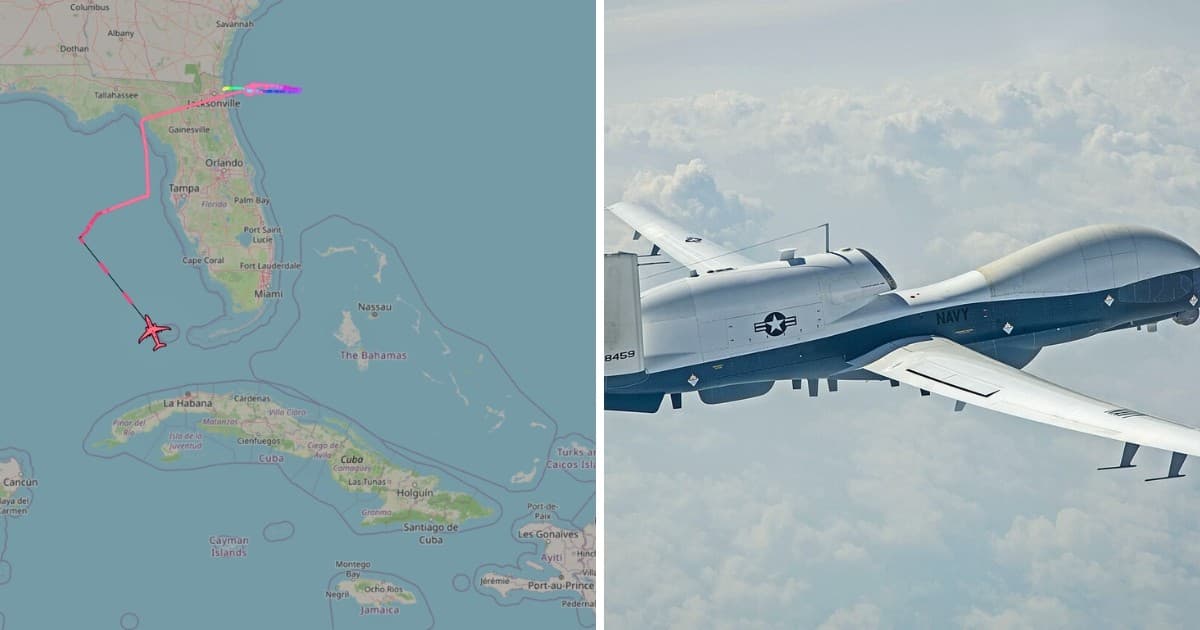
The U.S. has put intelligence aircraft back on Cuba’s doorstep at a higher tempo, with at least 25 Navy and Air Force flights since February 4 and some runs coming within 40 miles of the coast. That is close enough to collect useful intelligence, and it marks a sharp shift from the rare, publicly visible flights seen in the area before February.
The mix of aircraft tells the story. P-8A Poseidon maritime patrol planes, RC-135V Rivet Joint signals-intelligence aircraft and MQ-4C Triton drones all showed up in the pattern, a layered setup that suggests Washington was watching more than one thing at once. Maritime traffic, electronic emissions and high-altitude movements around the island all fit inside that net. The flights were concentrated near Havana and Santiago de Cuba, putting Cuba’s political center and its second city under the same watchful circle.
That matters because Cuba was already under severe strain. A more aggressive surveillance posture does not happen in a vacuum, especially when the island’s economy is fragile and its internal pressure points are multiplying. Intelligence aircraft over the Caribbean can be used to track military activity, shipping, communications and any sign of unrest or movement that could affect the balance on the island. They can also give Washington an early look at whether Havana is turning outward for help, whether from allies, commercial partners or military backers.
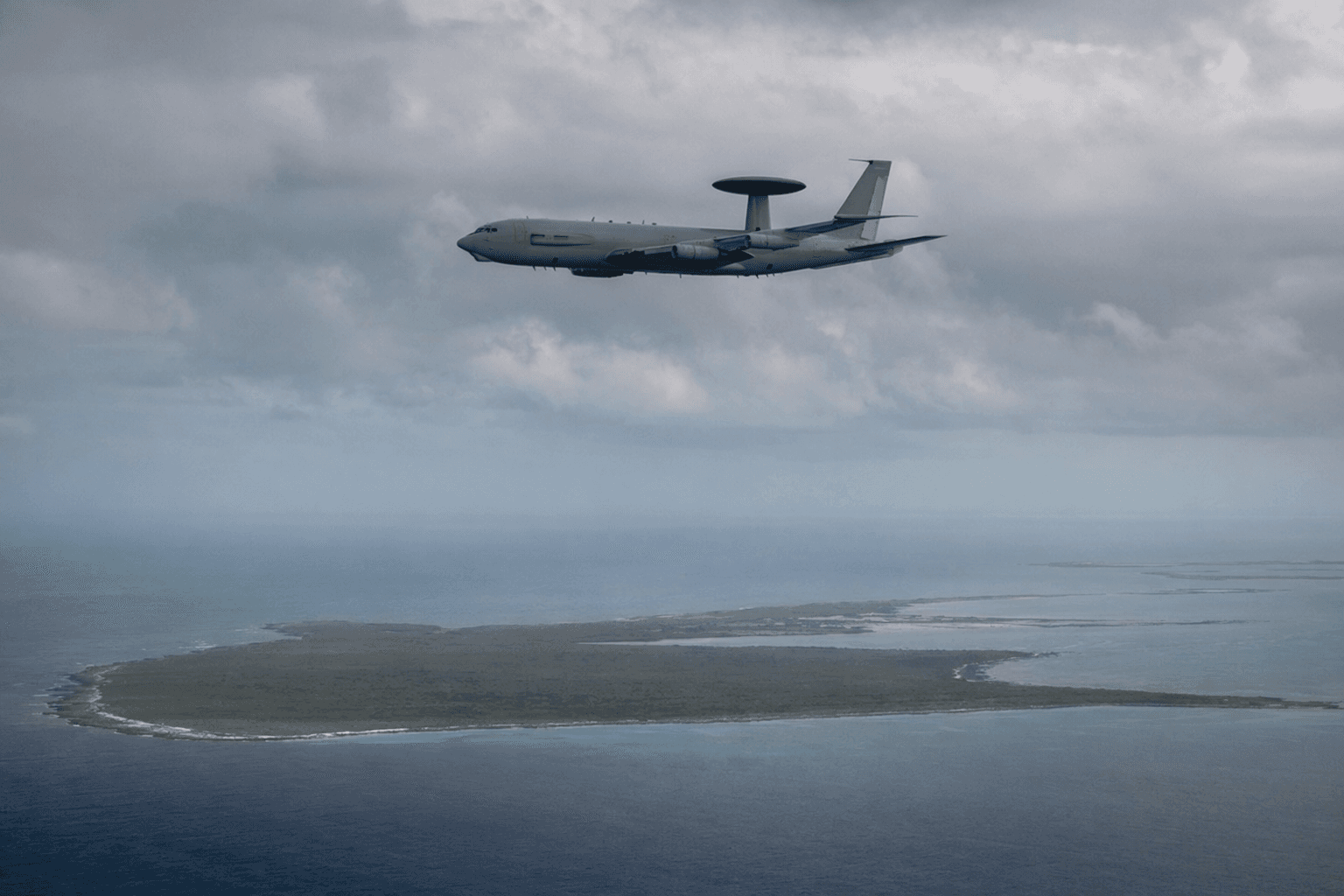
The timing also lined up with a harder line from Washington. Trump’s rhetoric toward Cuba had intensified in the weeks before the surge, after he reposted a comment about a future “free Havana” and ordered an oil blockade. Taken together, the flights, the sanctions pressure and the political messaging pointed to a more confrontational phase in U.S.-Cuba relations. Even without an explicit military plan, the signal was hard to miss: the U.S. was flying closer, more often and with more capable aircraft, at a moment when Havana could read that as preparation, intimidation or both.
For Cuba, that is the part worth watching. A burst of surveillance near Havana and Santiago de Cuba is not just a military curiosity. It is a warning indicator that Washington sees a fast-changing security picture, and that it wants eyes on the island before the next crisis breaks open.
This article was produced by Prism’s automated news system from verified source data, official records, and press releases, then run through automated quality and moderation checks before publishing. The system is built and supervised by the people who set the standards it runs under. Read our full AI policy.
Did this article answer your question?