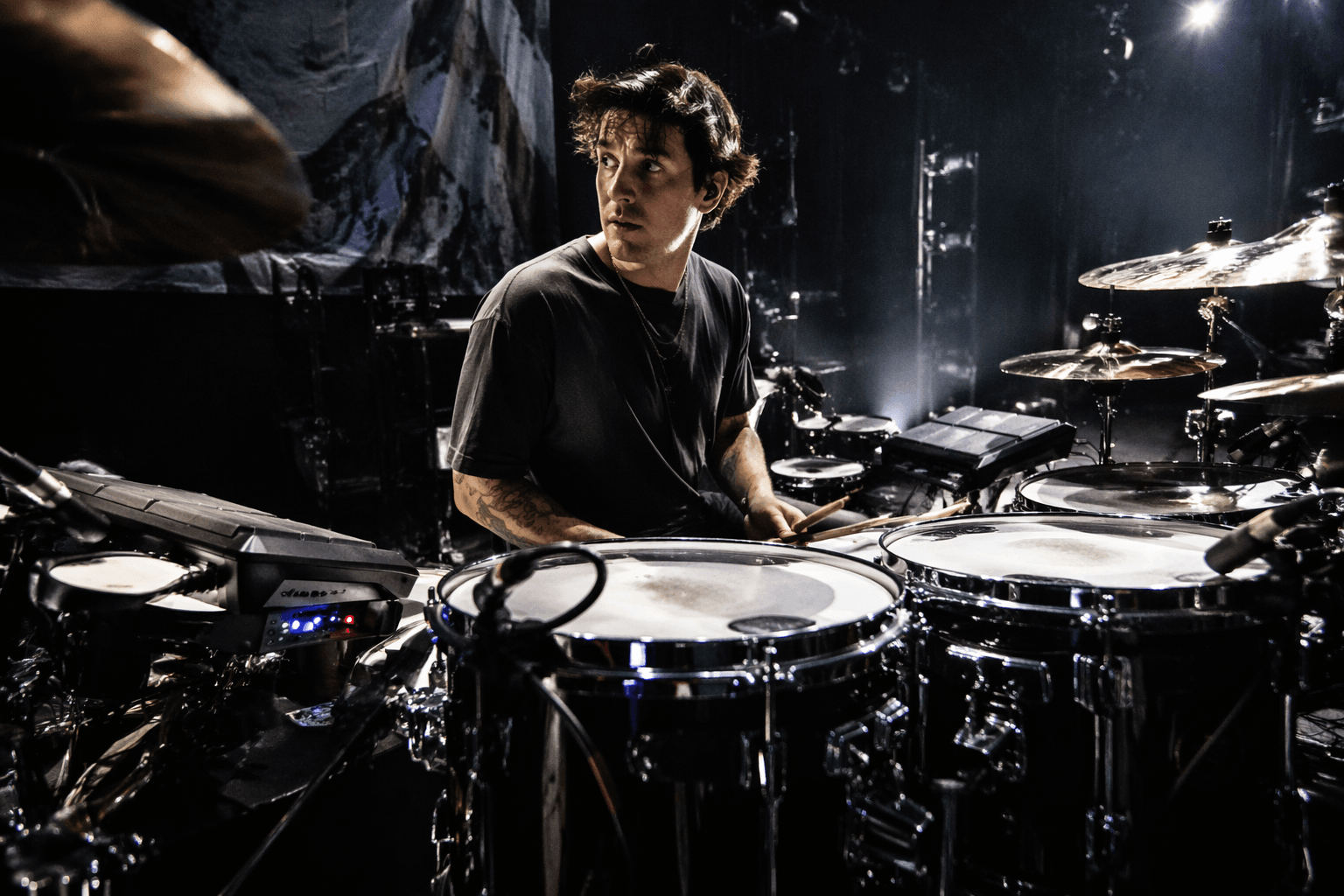
Drumeo beginner guide helps new drummers choose gear and build skills
The fastest way to waste money is buying the wrong first kit. Drumeo’s beginner roadmap puts gear, hearing protection, and timing in the right order.
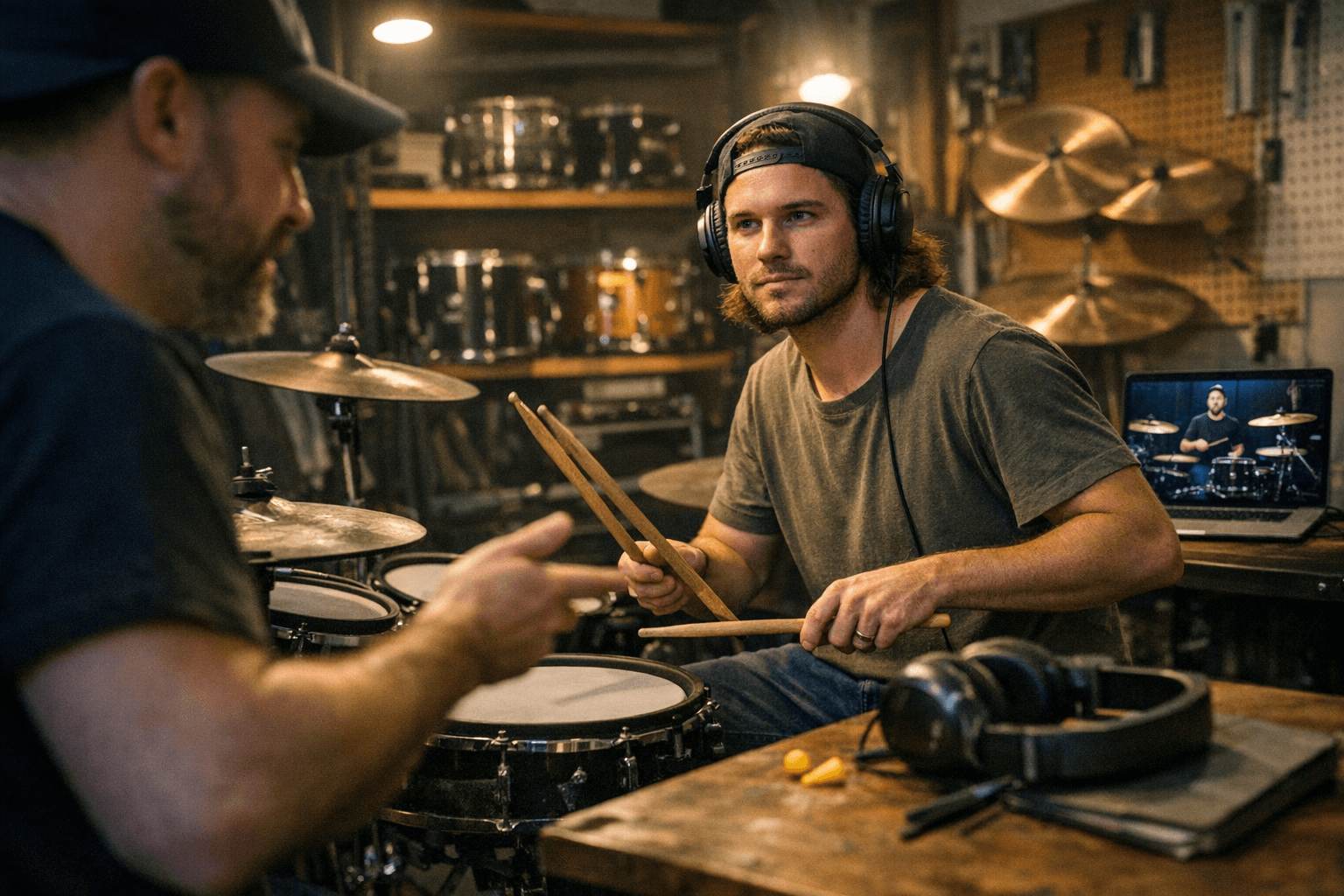
The smartest first drum purchase is not the flashiest one. Drumeo’s beginner guide is aimed at the exact moment when a new drummer has either just bought a first kit or is standing in front of one, unsure what comes next, and that is where the money decisions get expensive fast.
Start with the kit, not the hype
The guide treats drumming as a setup problem before it becomes a playing problem. That means thinking through the actual drum set, the drumheads, the sticks, the cymbals, the hardware, and the earplugs before worrying about tricks, fills, or favorite songs. That order matters because drumming is not one object, it is a system, and the weak link in a beginner setup usually shows up the moment you sit down and try to play for more than ten minutes.
Britannica recognizes drum set, drum kit, and trap set as names for the same instrument family, which is useful shorthand for beginners who are still learning the language of the instrument. A modern kit is not just a bass drum and a snare. It is a coordinated setup that evolved into a solo instrument among its peers in the 20th and 21st centuries, which is exactly why a beginner guide has to talk about the whole package instead of a single drum.
If you are deciding where to spend first, the practical rule is simple: buy the parts that make the kit playable and comfortable before chasing upgrades that only matter later. Sticks and heads affect feel immediately. Cymbals and hardware shape how the kit responds. If the throne is bad, the heads are dead, or the cymbals are harsh, you will feel it every time you sit down.
What to buy first and what can wait
Drumeo’s beginner framing is refreshingly direct: get the essentials right and skip the shiny distractions. The first shopping list should include the things that let you practice consistently and safely, not the things that look impressive in a store. That means a kit that fits your space, drumheads that respond well, sticks that feel natural in your hands, and hardware that stays put when you play.
A practical beginner setup usually comes down to these priorities:
- A playable drum kit or drum set that fits your room and budget
- Drumheads that are in decent shape and not completely worn out
- Sticks that match your grip and feel balanced, not oversized just because they look sturdy
- Cymbals that are usable and not an afterthought if the kit includes them
- Hardware that does not wobble or force you to fight the setup
- Earplugs, before your first long practice session
The most expensive mistake is assuming gear quality only matters once you get better. In reality, bad gear slows the learning curve because it makes simple things harder: rebound feels strange, tuning becomes frustrating, and your hands start compensating for equipment problems instead of learning the instrument. Drumeo’s guide is built around avoiding that trap.
The commercial backdrop helps explain why the beginner market is so crowded. NAMM says the music products business represents a $17 billion global industry, and drum gear sits right inside that ecosystem of starter packs, upgrades, and impulse buys. That is why a clear buying order matters so much: the industry is ready to sell you everything, but your first job is to buy only what helps you play.
Protection is part of the setup
The one item beginners still underestimate most often is hearing protection. Drumeo tells drummers to wear earplugs, and the reason is stronger than common sense alone. Drums are over 100 dB, and repeated exposure above 85 dB can cause hearing loss.
That lines up with public health guidance. NIOSH recommends a hearing-loss prevention program when occupational noise exposure stays at or above 85 dBA over an eight-hour workday, and CDC says repeated exposure at or above that level is hazardous. The American Academy of Audiology also notes that musicians increasingly seek high-fidelity earplugs and in-ear monitors, which reflects how seriously working players treat protection now.
For a beginner, that means earplugs are not a “later” purchase. They belong in the cart before the first real practice stretch, especially if you are playing an acoustic kit in a small room. Protecting your hearing is not a sign that you are being cautious to a fault; it is how you stay in the game long enough to get good.
Build time first, then vocabulary
Once the setup is sorted, Drumeo shifts the focus to actual playing skills. The guide points beginners toward using a metronome, learning drum beats, practicing fills, working on rudiments, and then branching into different genres and reading music. That sequence is the right one because drumming usually develops from timekeeping and coordination into vocabulary, then into musical application.
The metronome comes first for a reason. If the pulse is unstable, everything else feels harder than it needs to be. Basic beats teach limb independence. Fills teach control and placement. Rudiments give your hands repeatable patterns you can use everywhere from warmups to songs.
The Percussive Arts Society’s 40 International Drum Rudiments show how deep that foundation can go. They include the traditional 26 rudiments plus additional drum corps, orchestral, European, and contemporary rudiments, which puts Drumeo’s emphasis on rudiments in a much bigger historical context. Even if you never memorize all 40 on day one, the point is the same: stick control is not busywork. It is vocabulary.
Reading music and learning theory come after the first coordination wins, not before them. That is another place beginners often overcomplicate things. You do not need to become a full-time reader before you can make music, but you do need enough notation and theory to understand what you are practicing and why. Drumeo’s broader learning path, with notation, theory, fills, beats, and a first lesson track, reflects that progression clearly.
The first 30 days are about a few big wins
The first month is not when you need every upgrade. It is when you need a setup that lets you show up repeatedly. If the kit is comfortable, the heads respond, the sticks feel right, and the cymbals are usable, you can spend your energy on time, coordination, and clean movement instead of fighting your gear.
That is the real insight buried inside Drumeo’s beginner guide. Drumming becomes rewarding fastest when gear decisions, timing practice, and foundational sticking patterns develop together rather than separately. Get the basics right, protect your hearing, and let the rest of the kit grow with your playing. That is how a first purchase turns into a lasting habit instead of a short-lived experiment.
This article was produced by Prism’s automated news system from verified source data, official records, and press releases, then run through automated quality and moderation checks before publishing. The system is built and supervised by the people who set the standards it runs under. Read our full AI policy.
Did this article answer your question?