SessionTown virtual drum kit blends practice, recording, and beat sharing
SessionTown is most useful when you want to sketch, save, and share a beat fast. The real test is simple: it gets ideas out of your head and into a track.
A browser drum kit that wants to be more than a toy
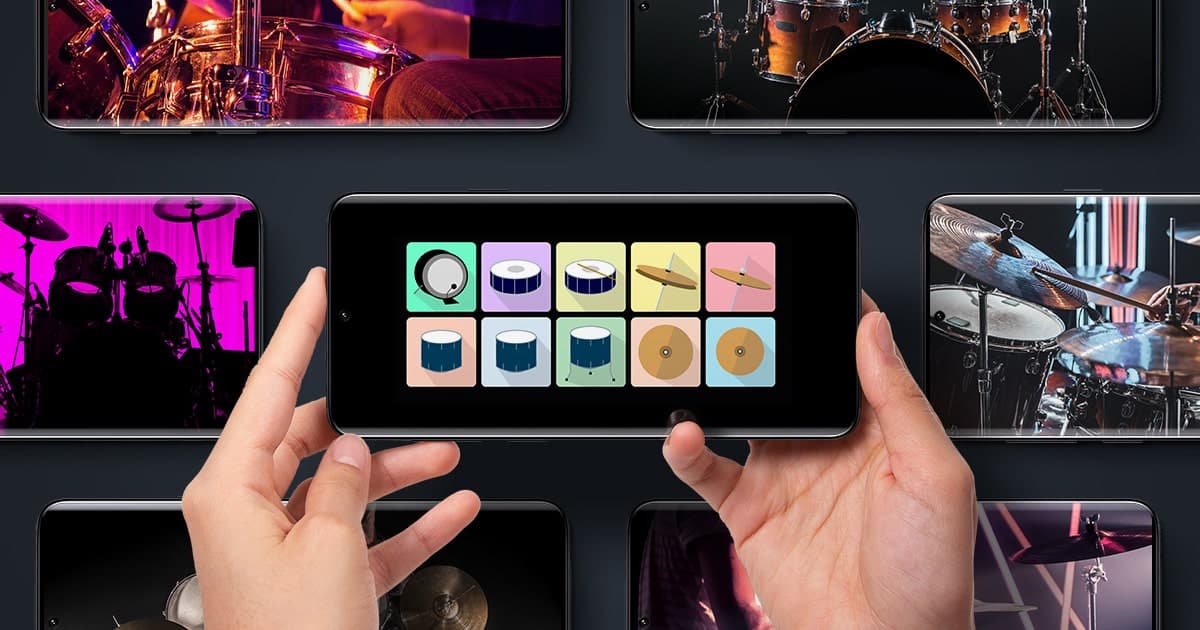
SessionTown makes its pitch fast: this is a “#1 Drum Set” built for recording, learning, and playing, not just finger-tapping on a screen. The practical question is whether it can carry a real part of your workflow, and the answer depends on what you need. If you are a mobile producer, a songwriter chasing a groove, or a beginner drummer trying to turn clicks into actual ideas, SessionTown gives you a place to build something you can save and send.
What makes it worth a closer look is the combination of practice and sharing. You can play privately, record your best songs, and also step into a public-beats system where other people can load, study, and use what you make. That mix is the point: it is not only a practice pad, and it is not only a social gimmick. It is a lightweight rhythm workspace.
What the kit gives you
The virtual drum set is laid out with 23 parts, which is enough to feel like a real instrument rather than a stripped-down app. SessionTown says the kit includes crash cymbals, splash cymbal, ride cymbal, china cymbal, toms, kick drum, hi-hat variants, snare variations, and cowbell. That range matters because it lets you move beyond a basic kick-snare loop and start shaping a more complete kit sound.
The other detail that matters is touch. SessionTown says you can play softer or louder depending on where you tap, which is a simple but important introduction to dynamics and velocity. A lot of beginner drummers can hit the right pad at the right time and still sound flat; this tool nudges you toward listening for articulation, not just timing. That makes it useful as a stepping stone from instinctive tapping to actual groove control.
Learning beats without getting lost
SessionTown says users can search among thousands of beats and learn them step by step. That is the feature that pulls the platform out of novelty territory. Instead of inventing from zero every time, you can use it as a study tool, absorb patterns, and break them down into smaller pieces until they land in your hands naturally.

The site’s own framing reinforces that idea. It presents the drum set as mobile-ready and browser-based, and says you can play the virtual instruments on a keyboard or mobile device. That flexibility matters because you are not locked into a desktop session or forced into a full studio setup just to work on a rhythm idea. For quick practice, that low friction is a real advantage.
Recording and saving is where it starts to feel useful
The strongest argument for SessionTown is not that it lets you hit drums online. It is that it lets you capture what you played. SessionTown says the drum game includes a recorder for saving tracks, and its Patreon page says that recorder can save public or private tracks. That split gives the tool a real workflow: you can keep a rough idea to yourself while you work it out, then move a finished beat into public view when you are ready.
SessionTown was already describing the drum game as an interactive learning tool back on November 2, 2016, when it said the game had tracks to learn from and could record and share tracks. That matters because it shows the feature set was not bolted on as an afterthought. Recording and sharing were part of the design from early on, which is exactly why the platform still makes sense as a fast sketchpad for rhythm ideas.
For daily use, the workflow is straightforward: 1. Pick a beat or build one from the kit. 2. Use the recorder to save the take. 3. Keep it private if you are still shaping it. 4. Publish it when you want others to study or use it.
That is simple, but simplicity is the point. If a tool gets in the way of capturing the idea, you stop using it. SessionTown avoids that trap.
Public beats, private practice, and the copyright line
The public-beats system is where SessionTown becomes something more than a personal practice board. The site says public beats must be composed by you, and that others may use the songs without monetary claims. It also says songs with copyrights are prohibited in the public-beats system. That is an unusually clear rule for a free music tool, and it makes the sharing side feel more deliberate than sloppy.

That matters in practical terms. If you are building original groove ideas, you can share them without worrying that the space is flooded with borrowed material. If you are learning, you can load public beats and study how other people arranged them. The split between public and private keeps the platform useful in both directions: personal refinement and community exchange.
Where SessionTown fits in the larger drum-tools world
Browser-based drum tools have become popular with people who want to make beats without committing to a full drum kit. That is the big reason these platforms exist in the first place: they lower the barrier to entry. SessionTown fits cleanly into that space, but it does not try to out-muscle heavier education platforms with giant lesson libraries or live feedback systems.
That comparison is actually helpful. SessionTown is not trying to be a full coaching suite like a structured lesson app. It is more of a free, browser-first rhythm lab, built by a music-education brand that says it creates free music games, apps, virtual instruments, and lessons. Its founder, Juan David Lopera, says he created SessionTown because he loves developing music games and apps that are free to use. That ethos explains the product: quick access, low pressure, and enough features to keep ideas moving.
Who gets the most out of it
The best fit is anyone who wants to get from idea to usable beat quickly. Mobile producers get a portable way to sketch rhythm parts without opening a full rig. Songwriters get a way to chase a groove and save a draft before it disappears. Beginner drummers get a friendly place to work on timing, touch, and arrangement without the intimidation of a full acoustic setup.
The real value shows up when you ask the only daily-use question that matters: can it help you make something worth exporting and sending? SessionTown gets a convincing yes because it connects learning, recording, and beat sharing in one browser window. That combination is not flashy, but it is useful, and in drumming tools that is usually the difference between a passing diversion and something you keep open.
This article was produced by Prism’s automated news system from verified source data, official records, and press releases, then run through automated quality and moderation checks before publishing. The system is built and supervised by the people who set the standards it runs under. Read our full AI policy.
Did this article answer your question?