Allegheny County weighs tattoo shop rules as artists seek clarity
Allegheny County’s push for tattoo rules could raise the floor on hygiene for geometric work, but smaller studios fear a pricier, tighter system.
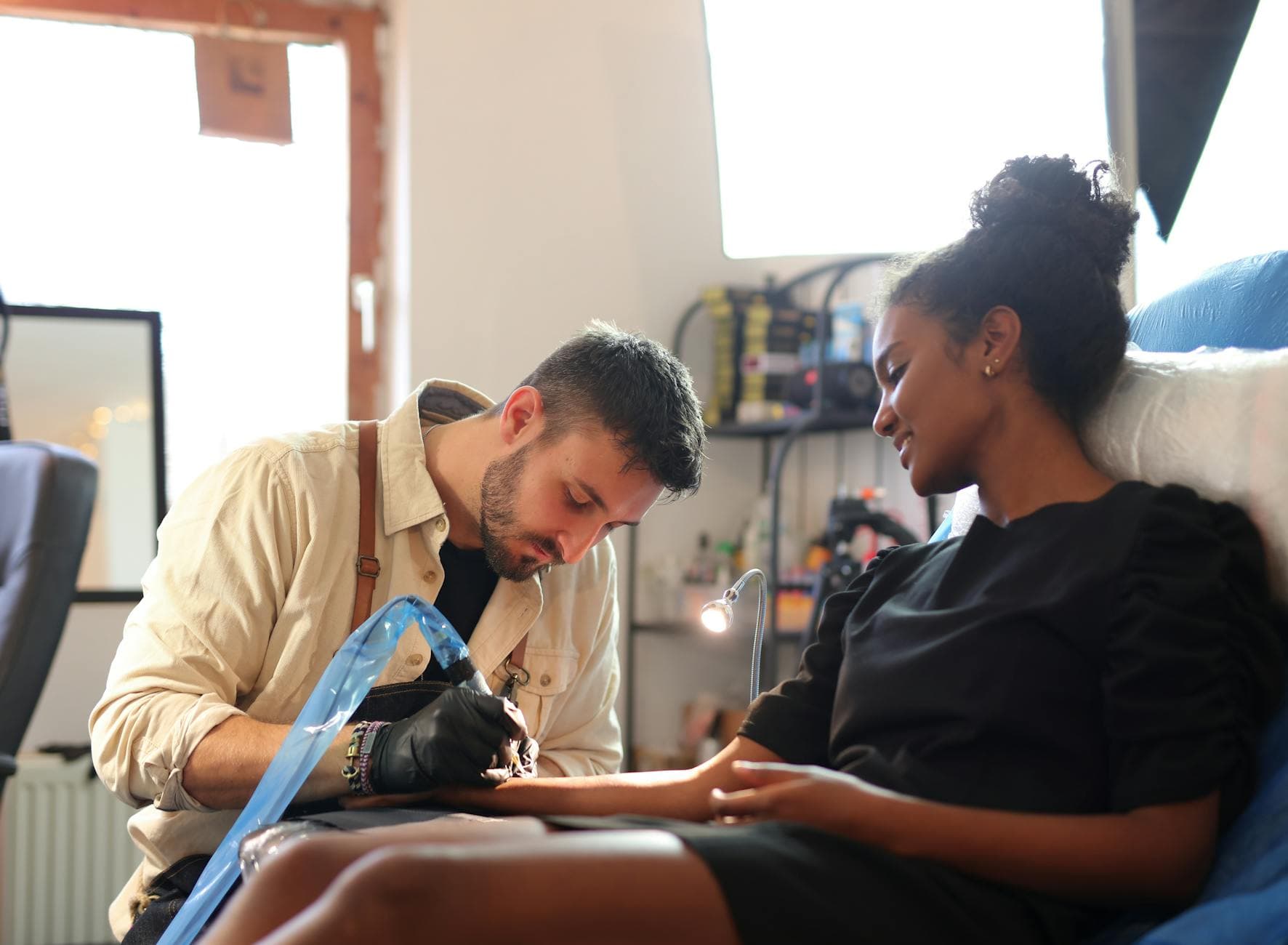
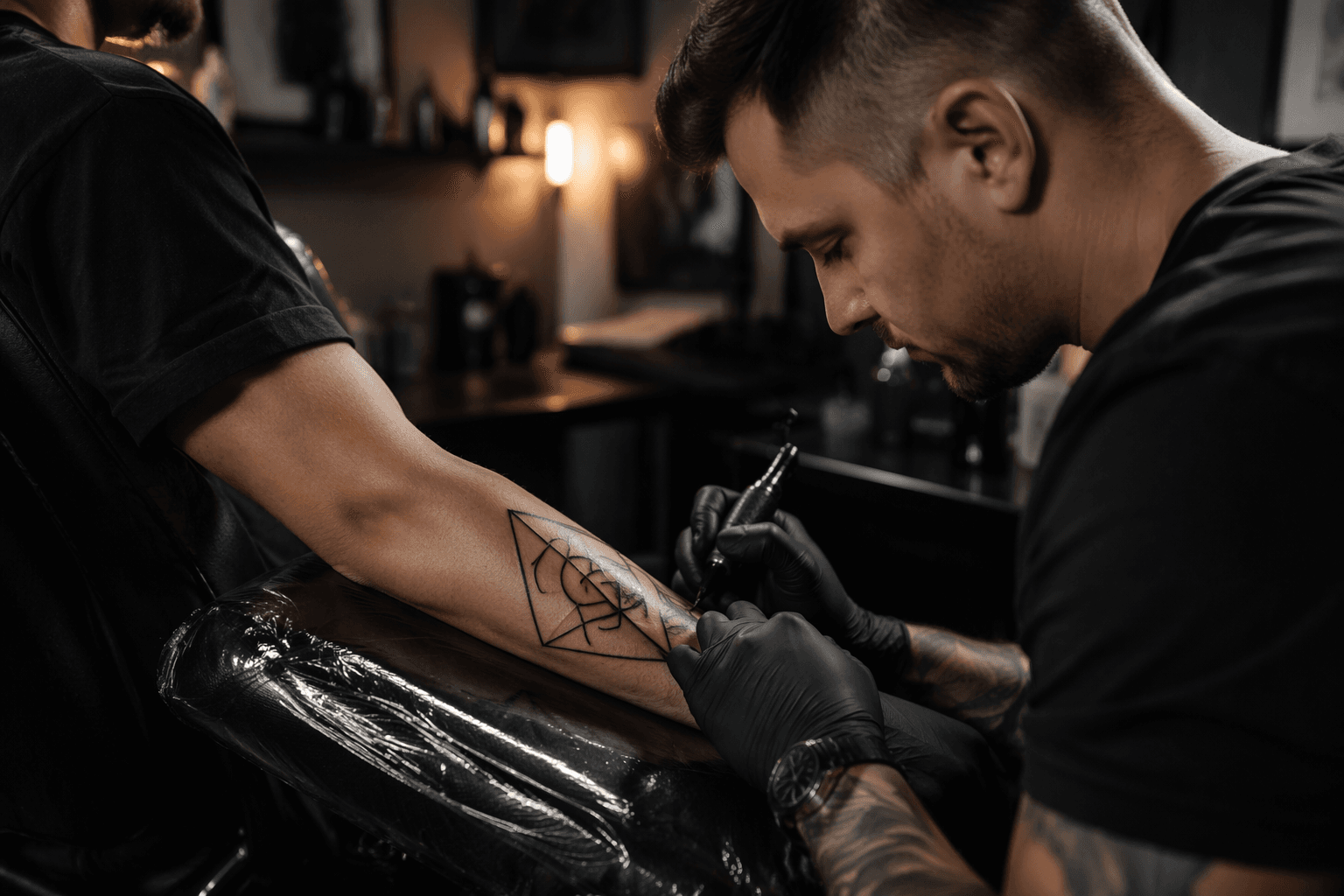
The new split in geometric ink is playing out in Allegheny County, where tattooers and health officials are debating whether Pittsburgh-area shops should face county rules that would make sanitation standards clearer, and more expensive. For artists who live or die by crisp stencil transfers, tight symmetry and clean healed contrast, the stakes are not abstract: better oversight could protect precision work, but it could also add compliance costs that hit smaller studios hardest.
Tattooers from around the county met with the Allegheny County Health Department in Wilkinsburg on Tuesday, May 12, 2026, for an early discussion about possible regulation. County officials said the point is public protection, not punishment. Dr. Iulia Vann, the county health director, called it a first step and said the department wants to hear from the community before drafting any rules.
Right now, Pennsylvania leaves most tattoo-shop hygiene standards to individual artists and shop owners. State law clearly bars tattooing anyone under 18 without a parent or guardian’s consent and presence, and a first offense is a misdemeanor of the third degree. Beyond that, the framework is thin. Hannah Aitchison of Sleepwalker Tattoo described the state as the “Wild West of tattooing,” even as she acknowledged that some artists like the freedom that comes with it.
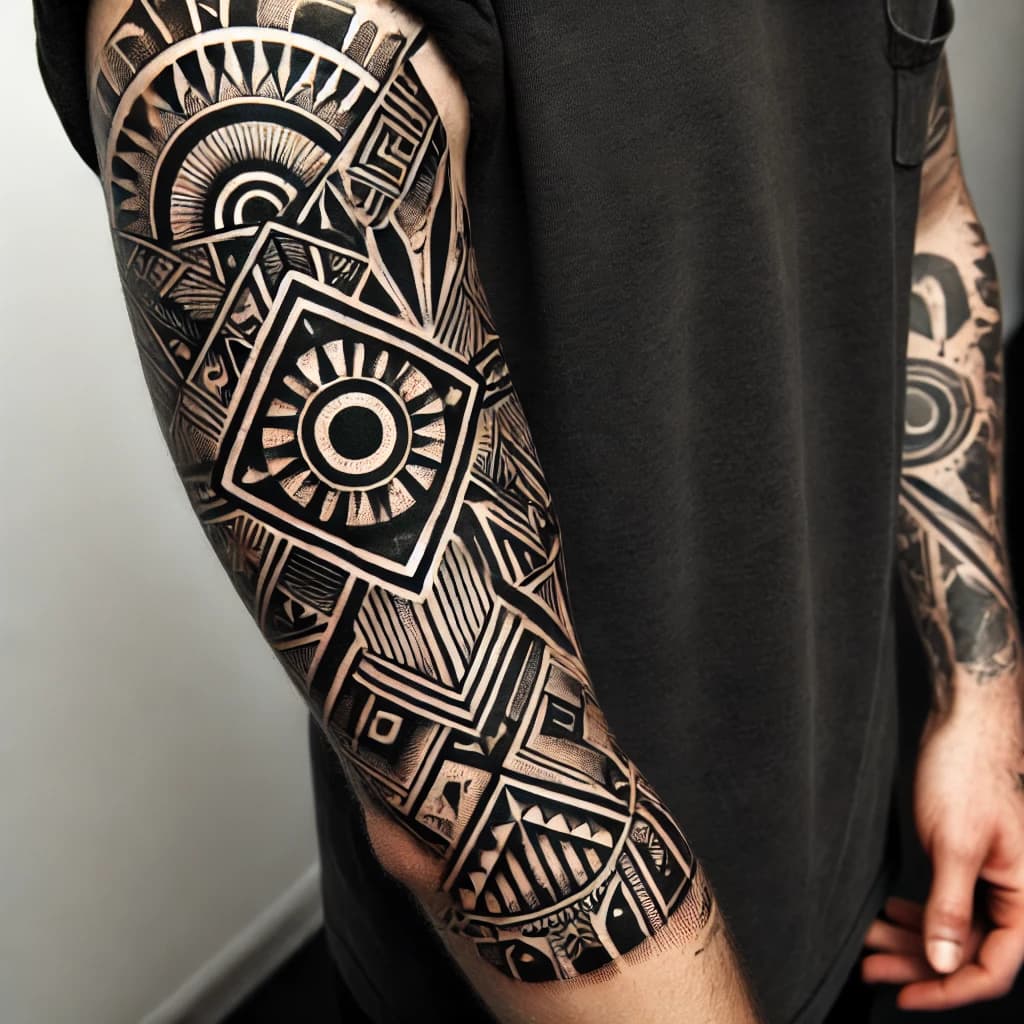
That tension matters to geometric tattoo collectors in a way a casual customer might miss. Fine linework, dotwork, and mandala-heavy layouts depend on stable machine handling, careful cross-contamination controls and a clean working setup. If Allegheny County tightens standards, studios that already run clean could gain a clearer baseline to point to, and clients would have a better way to judge whether a shop is actually meeting public-health expectations. The tradeoff is obvious: more paperwork, more inspections, and possibly higher prices or fewer appointment slots for small shops trying to absorb the extra overhead.
The county is not starting from scratch. Philadelphia already has body-art rules approved by its Board of Health in August 2001 and January 2002, with certification requirements for both artists and establishments and detailed standards for facility conditions, hygiene, and procedures. Erie County has its own body-art regulations dating to 2016, and its health department inspects and licenses body art establishments. Erie also says tattoo customers must be 18 and show valid government-issued ID.
At the state level, lawmakers have tried to build a broader system before. House Bill 1897, introduced on December 8, 2023 and sent to the House Professional Licensure Committee, would have licensed or registered tattoo artists and establishments and given the Department of Health inspection authority. If Allegheny County moves ahead, its Board of Health would likely be the body to carry that debate forward, turning a local policy fight into a practical test of how much structure geometric studios need, and how much they can afford.
This article was produced by Prism’s automated news system from verified source data, official records, and press releases, then run through automated quality and moderation checks before publishing. The system is built and supervised by the people who set the standards it runs under. Read our full AI policy.
Did this article answer your question?