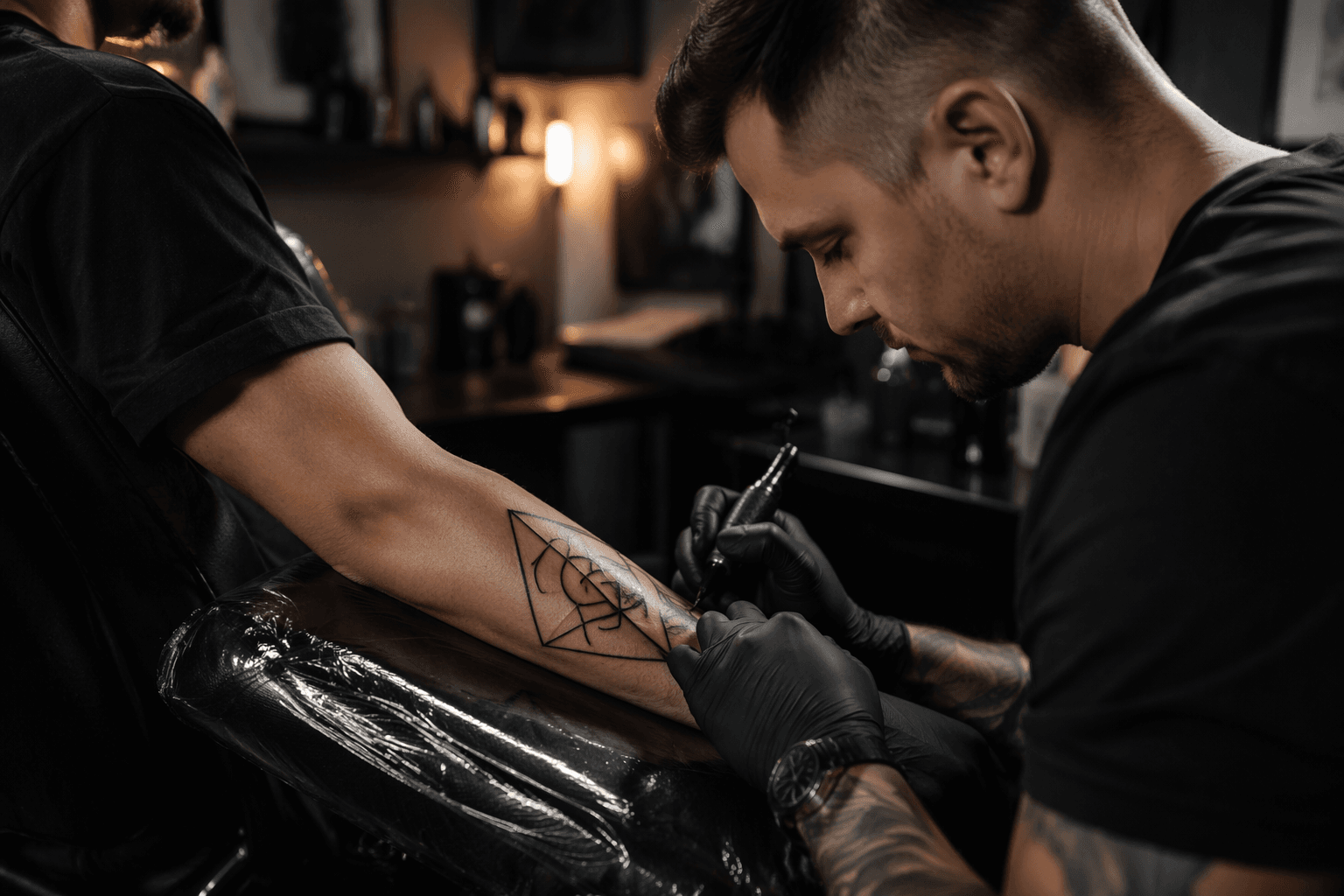
tattoo studio hygiene rules, OSHA standards and disinfectant requirements
The new split in geometric ink is hygiene, not style. Clean prep, verified disinfectants, and real sterilization standards now shape whether fine-line and dotwork pieces heal sharp.
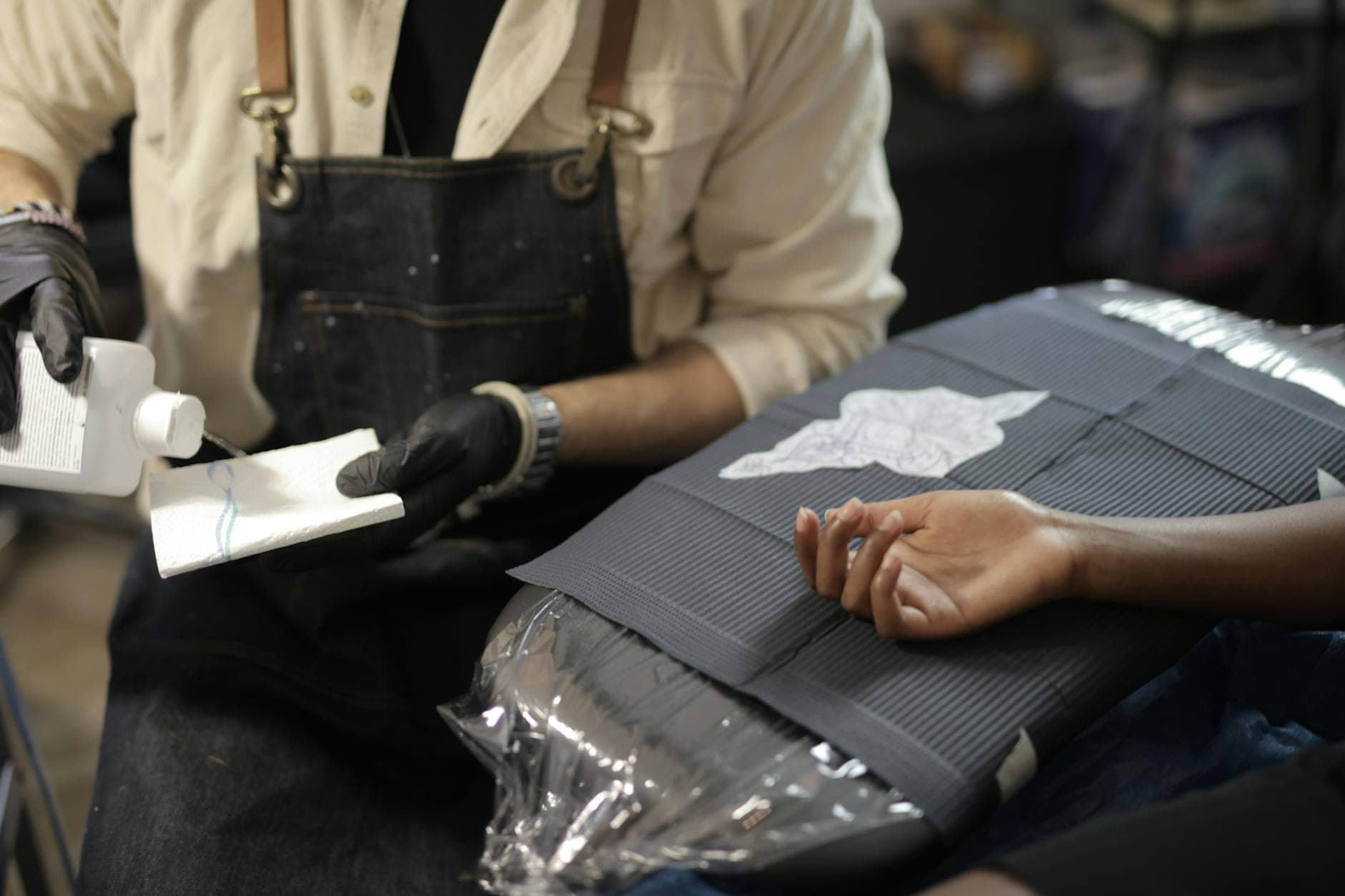
The new split in geometric ink
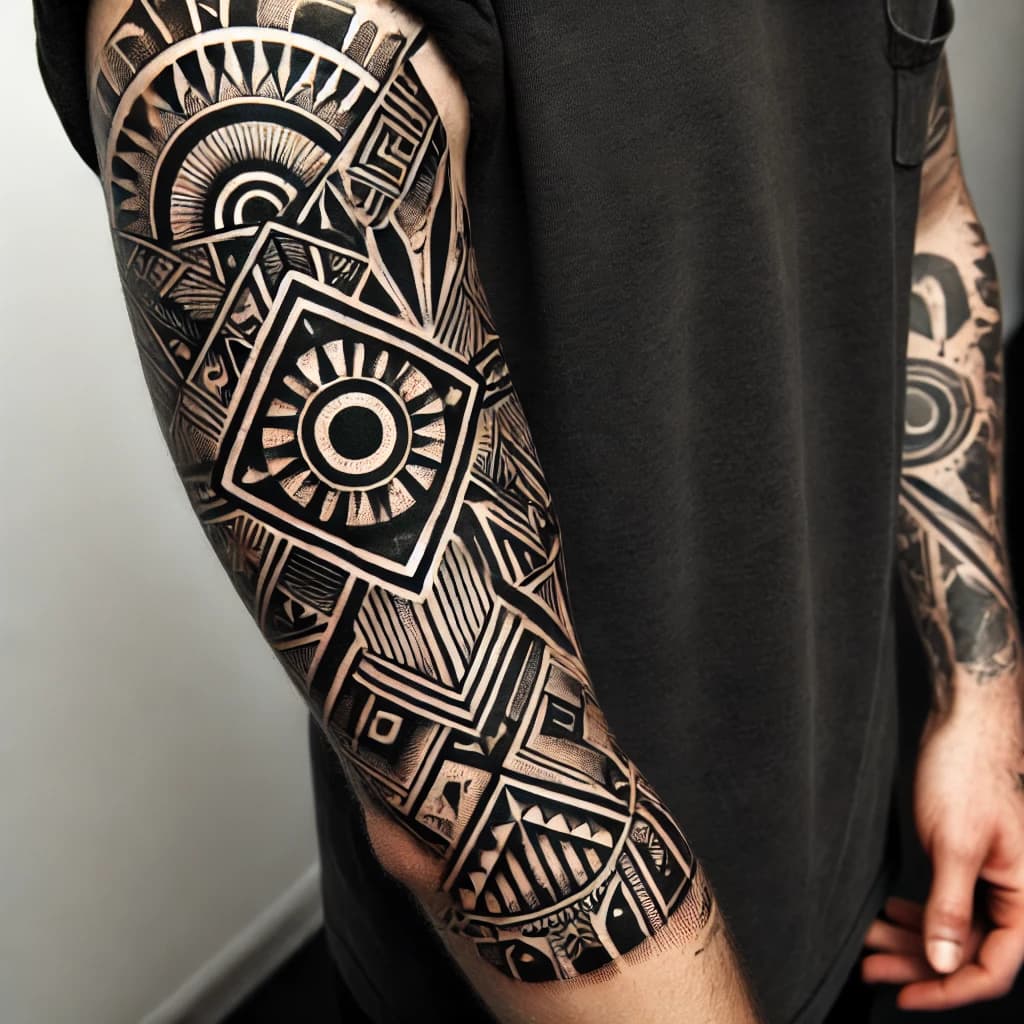
The new split in geometric ink is not really about aesthetics, it is about whether a studio can safely handle the kind of sessions geometric clients actually book. Long fine-line builds, dotwork fields, and multi-pass symmetry work depend on clean setup and clean healing, because any shortcut in contamination control can turn crisp lines into a repair job.
Tattooing is an invasive procedure, which is why the rules around it are more than shop etiquette. OSHA’s Bloodborne Pathogens Standard, 29 CFR 1910.1030, is the federal backbone, and state and local health departments layer on licensing, inspections, and facility-design requirements. For a geometric specialist, that matters because precision work only looks effortless when the room, the tools, and the workflow are doing their part.
What a compliant studio should be able to show you
The first thing to look for is a real exposure control plan. OSHA says employers must maintain one for workers with occupational exposure to blood or other potentially infectious materials, and the quick-reference guidance builds that out with universal precautions, engineering controls, work practice controls, PPE, housekeeping, hepatitis B vaccination, post-exposure follow-up, hazard communication and training, and recordkeeping.
That is the boring paperwork that keeps the art from getting derailed. OSHA also says hepatitis B vaccination should be made available free of charge to workers with occupational exposure within 10 working days of initial assignment. If a studio talks a lot about line weight but cannot explain its plan for bloodborne exposure, it is missing the part of the job that protects both the artist and the client.
Disinfectants and surfaces are part of the design
For geometric work, the room itself should be easy to disinfect. Floors, counters, and work surfaces should be non-porous and simple to clean, which means sealed vinyl, stainless steel, or other solid-surface materials, not fabric-heavy or seam-heavy surfaces that can trap ink or blood.
Contaminated surfaces need to be disinfected after procedures, after spills, and at the end of a shift when contamination may have occurred. The practical question for clients is simple: what product is being used, and is it actually meant for bloodborne pathogens? EPA’s List S is the place to verify that, and EPA launched the combined list in February 2024. Products on List S are registered for use against HIV, Hepatitis B, and Hepatitis C.
That is worth asking about before a stencil ever goes on skin. A clean-looking studio is not the same thing as a properly disinfected one, and in geometric tattooing, where symmetry and spacing are easy to notice and hard to fix, the difference shows up later in the healed work.
Reusable tools need a full sterilization chain
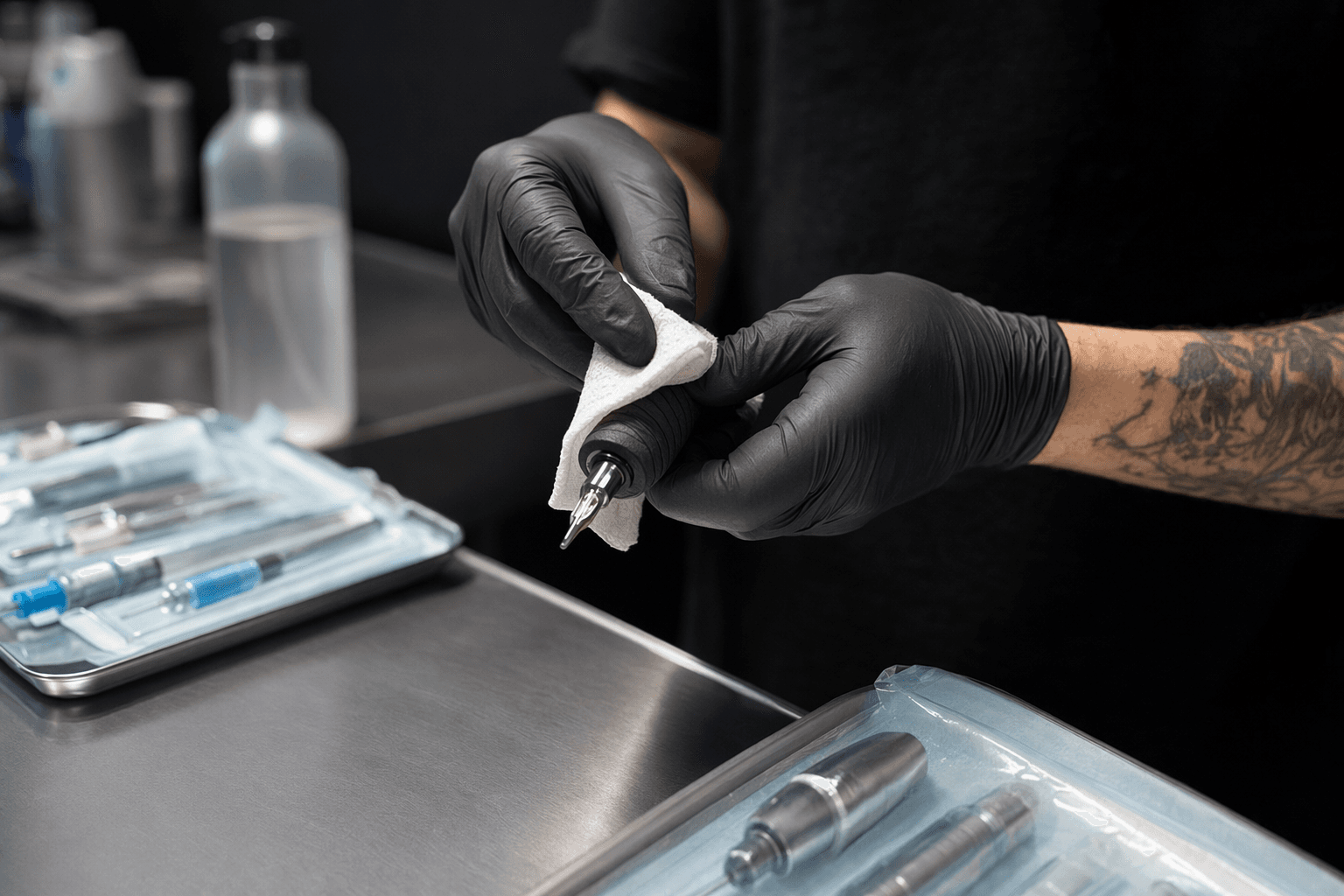
Any reusable component has to be treated like a reusable component, not a convenience. Stainless steel tubes, grips, and other multi-use parts need a full sterilization chain before they go back on another client.
That is the line between a studio that understands body art as a clinical process and one that is improvising with expensive decor. For clients booking intricate geometry, this is not a minor detail. A clean tool path protects the session itself, and it protects the healed tattoo from the kind of setback that can blur an otherwise perfect composition.
A pre-booking checklist for geometric tattoo clients
If you are choosing a geometric specialist, ask questions that get past the Instagram feed. You do not need a lecture, but you do need straight answers.
- Does the studio have an exposure control plan that covers bloodborne exposure?
- Are surfaces non-porous and designed for easy disinfection?
- What disinfectant do they use, and do they verify that it is on EPA List S?
- How are reusable stainless steel tubes, grips, and other multi-use parts sterilized between clients?
- Do artists get bloodborne-pathogen training, and is it refreshed yearly?
- Does the shop have a clear process for post-exposure follow-up?
- If the studio uses hepatitis B vaccination as part of its safety program, is it offered the way OSHA requires for workers with occupational exposure?
Those answers should come quickly and confidently. If a studio hesitates on the basics, that is usually the clearest sign that the cleanest-looking setup is not the same as a compliant one.
Why the rules matter more than the pitch
The public-health record is not abstract. CDC reported 22 cases of tattoo-associated nontuberculous mycobacterial skin infections across four states in its 2012 MMWR report, and in the same report, 21 percent of U.S. adults said they had at least one tattoo. Tattooing is common enough that the hygiene standard has to assume real-world volume, not ideal conditions.
CDC later looked at 12 body-art shops in Pennsylvania and Texas and found compliance with infection-control standards, but not with administrative standards such as maintaining an exposure control plan, offering hepatitis B vaccination, and training staff. Shops with members of professional body-art organizations showed higher compliance with those administrative requirements, which is a useful signal for clients, even if it is not a guarantee. The underlying occupational exposure rules have been in place since 1991, so none of this is new ground.
NIOSH and CDC’s 2007 body-art materials, built after visits to piercing and tattooing shops and interviews with practicing artists, also recommend hepatitis B vaccination and yearly bloodborne-pathogen training for body artists. NEHA first introduced its Body Art Model Code in 1998 and updated it in 2019, and its newer policy materials say the updated code was developed over two years with two public comment periods and collaboration with 35 experts. In other words, the standards have been refined in public, by people who know the difference between a nice-looking workstation and a safe one.
The sharper the geometry, the less margin there is for sloppy hygiene. The same rigor that keeps surfaces clean, tools sterile, and disinfectants verified is what keeps fine lines crisp, dotwork even, and symmetry intact when the tattoo heals.
This article was produced by Prism’s automated news system from verified source data, official records, and press releases, then run through automated quality and moderation checks before publishing. The system is built and supervised by the people who set the standards it runs under. Read our full AI policy.
Did this article answer your question?