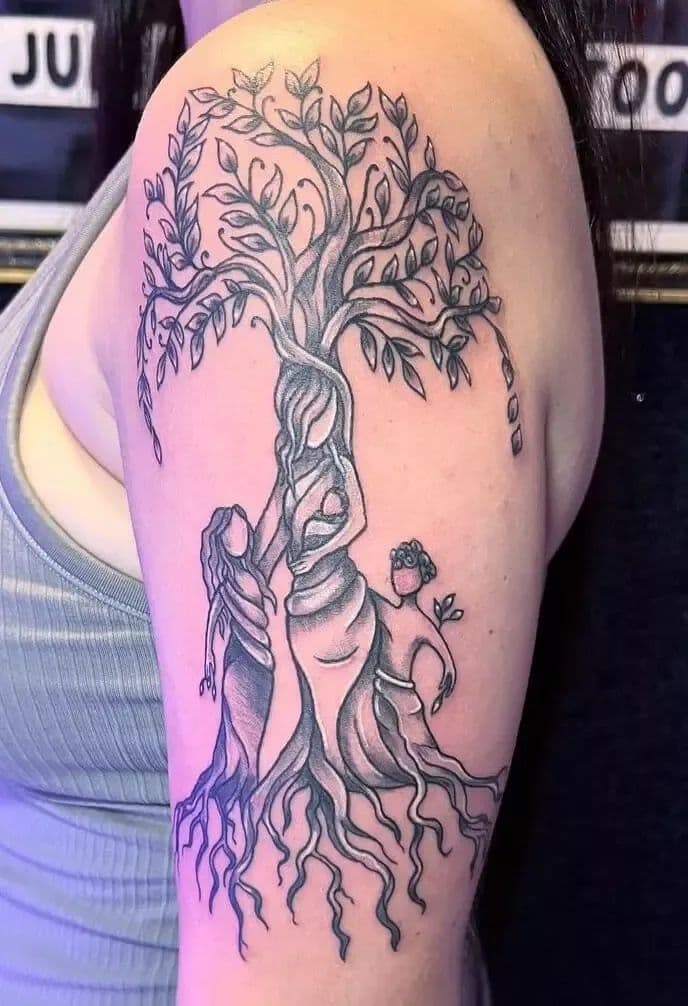
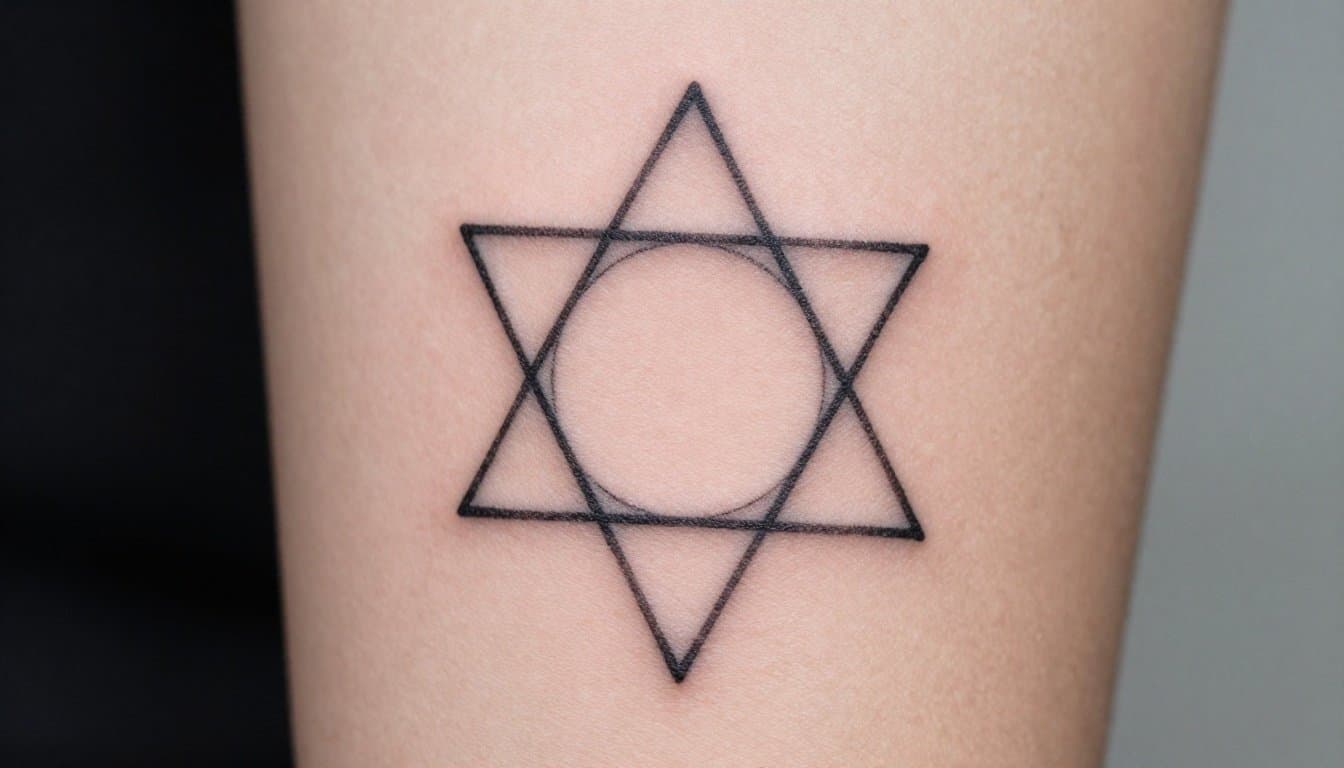
EditThisPic lets geometric tattoo fans preview wrist placements accurately
Wrist geometry is unforgiving, and EditThisPic gives you a fast way to catch bad scale, drifted symmetry, and cramped spacing before you commit.
Why wrist geometry is such a hard sell
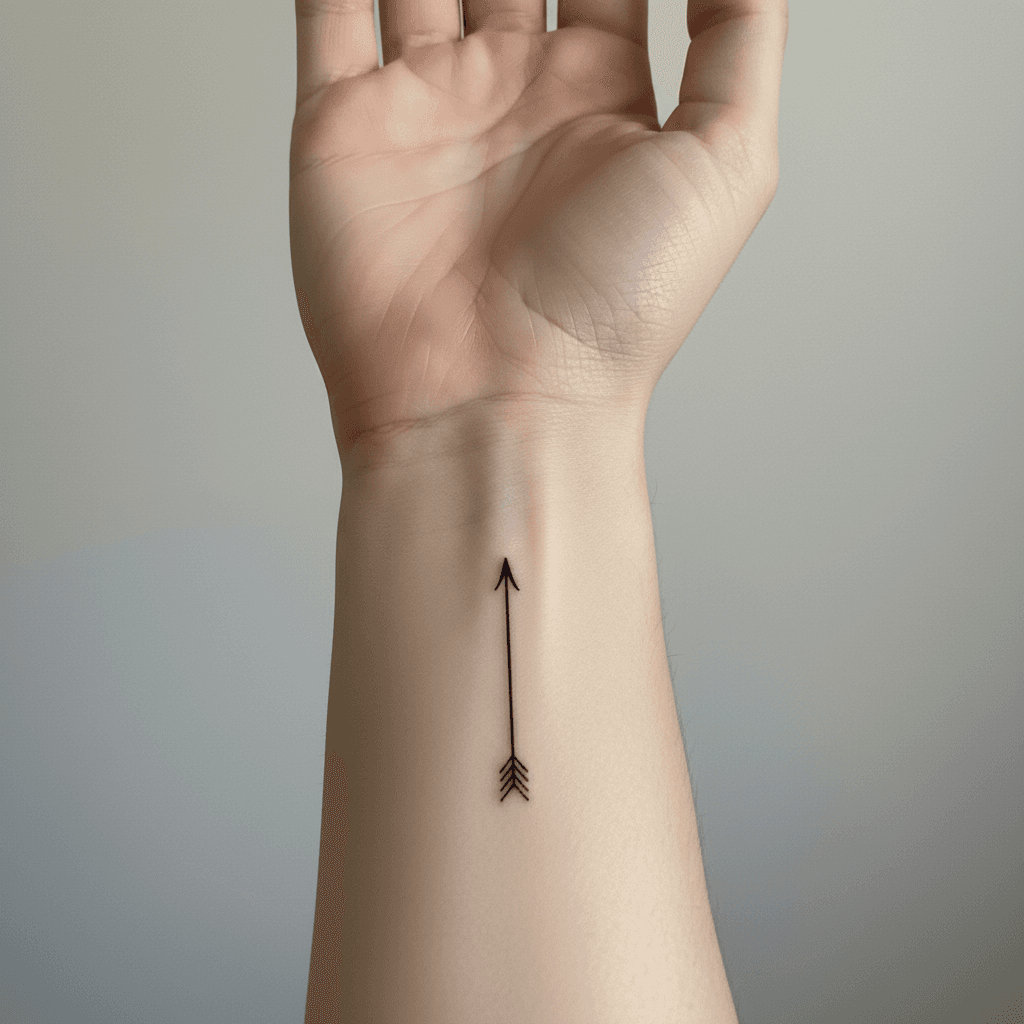
The wrist is where a geometric idea gets exposed fast. It is narrow, curved, and unforgiving, so a design that looks crisp on paper can start drifting the second it wraps around real skin. That is exactly why a wrist-specific preview matters for geometric collectors: the common failures here are not abstract, they are symmetry drift, line distortion, and spacing that collapses once the piece is scaled too large.
Tattooing 101 puts it bluntly: placement can make or break a design. Its placement guidance also lines up with the wrist reality, where a thin piece of script can look great, but larger or more complex work needs more space. For geometric tattoos, that means the wrist is best treated like a precision zone, not a mini forearm. If the layout does not respect the shape of the joint, the design stops reading as intentional and starts reading as cramped.
What EditThisPic is actually doing for wrist placements
EditThisPic’s wrist visualizer is built around that exact problem. The workflow is simple: upload a wrist photo, describe the design, and the system renders the tattoo at the correct wrist scale, whether you are testing a tiny minimalist symbol or a full wrist band. The page also separates inner wrist, outer wrist, and full wrist band placements, which matters because those are not interchangeable spaces and they do not wear the same way in daily life.
The detail that stands out is how aggressively the tool pushes users toward exact size. It encourages measurements like 1 inch, 1.5 inches, or 0.5 inch width, which is the right instinct for wrist work. A geometric design lives or dies on disciplined proportion, so the difference between “small” and “1.5 inches wide” is not cosmetic, it is the difference between a band that breathes and one that swallows the wrist.
Speed helps too. EditThisPic says wrist tattoo previews can be generated in about 15 to 30 seconds, and small symbols or script usually take about 20 to 25 seconds. That makes the tool useful as a fast rejection filter: if a piece already looks too wide, too heavy, or too stretched in the preview, you do not need to wait until stencil day to find out.

Which geometric ideas benefit most
The tool’s examples make its intent obvious. One prompt centers on a geometric wrist band with thin black lines and repeating triangular patterns, which is a better fit for the wrist than loose, decorative flash. That kind of layout depends on clean repetition and consistent spacing, so it is exactly the sort of piece that benefits from seeing how the pattern wraps before anything permanent happens.
Tattooing 101 describes geometric tattoos as clean, bold, and good at showing off the structure of the body, and it specifically points to sacred geometry, mandalas, honeycomb patterns, triangles, and armbands as strong motifs. On the wrist, those ideas work best when the stencil logic is already tight. Repeating hexagons or triangular grids can look elegant in theory, but if the band width is off by even a little, the whole composition can start to crowd the tendon line or disappear into the curve.
That is where a visualizer earns its keep. It gives you a way to pressure-test whether a wrist band should stay minimal, whether a sacred geometry symbol should be smaller than you first imagined, or whether a repeated pattern needs more breathing room. For collectors who care about precise geometry, that is not a novelty feature, it is a practical filter that keeps bad ideas from becoming expensive mistakes.
Pain and placement are part of the decision
The wrist is not just hard to design for, it can be harder to sit for. Healthline says wrist tattoos are often considered more painful because the area has delicate skin, nerves, and bone close to the surface. It also calls out the inner wrist and outer wrist as especially sensitive locations, which is worth remembering when you are deciding whether a piece should sit on the inside, ride the outer edge, or wrap all the way around.
That pain reality matters because it affects how ambitious the design should be. A piece that is already pushing the limits of width or line density becomes a worse idea when it is also going onto sensitive skin with little padding. If the preview shows the design stretching too far across the wrist, that is not only a composition problem, it is a placement problem that could make the appointment harder than it needs to be.
How to use the preview before you book
The smartest way to use a wrist visualizer is to treat it like a consultation rehearsal. Start with the exact placement you are considering, inner wrist, outer wrist, or a full wrist band, then lock in a real measurement instead of guessing at “small” or “medium.” From there, test whether the design still reads cleanly when it is reduced to a 1 inch, 1.5 inch, or 0.5 inch width, because that is where wrist geometry usually succeeds or falls apart.
A practical check list looks like this:
- Keep thin script and tiny symbols honest about scale, because the wrist rewards restraint.
- Test repeating patterns, especially triangles, hexagons, and banded geometry, for spacing drift.
- Compare inner and outer wrist placements before choosing visibility over comfort.
- If the preview makes the piece look crowded, widen the design only if the wrist can actually support it.
That kind of previewing is especially useful for sacred geometry and armband concepts, where symmetry is the whole point. A design that looks balanced in the preview is more likely to arrive at the shop with clean intent instead of vague instructions.
Aftercare still decides how the wrist wears
Once the tattoo is done, the wrist keeps making the job harder. Medical News Today, in guidance associated with Debra Sullivan and Peter Morales-Brown, says aftercare should include gentle washing, regular moisturizing, and avoiding sun exposure until the tattoo is fully healed. It also notes that the initial healing period usually involves covering the tattoo with a bandage or wrap for at least a few hours after the procedure.
That matters more on the wrist than on many other placements because it is a high-contact area. You bump it, flex it, expose it, and notice it constantly, so a clean healing plan is not optional if you want those thin lines and repeating shapes to stay sharp. On a wrist piece, sloppy aftercare can erase the same precision you worked so hard to preview.
EditThisPic does not solve every wrist problem, but it solves the one that causes the most regret: scale blindness. If the preview already shows symmetry drifting, spacing collapsing, or a band feeling too heavy for the narrow curve of the wrist, you have your answer before the stencil comes out. In geometric tattooing, that early rejection is often the difference between a clean wrist concept and a design that fights the body from day one.
This article was produced by Prism’s automated news system from verified source data, official records, and press releases, then run through automated quality and moderation checks before publishing. The system is built and supervised by the people who set the standards it runs under. Read our full AI policy.
Know something we missed? Have a correction or additional information?
Submit a Tip