Sacred geometry guide explains meanings behind geometric tattoo symbols
Sacred geometry tattoos look clean, but the meaning gets messy fast. Here’s how to read the big symbols before you commit one to skin.

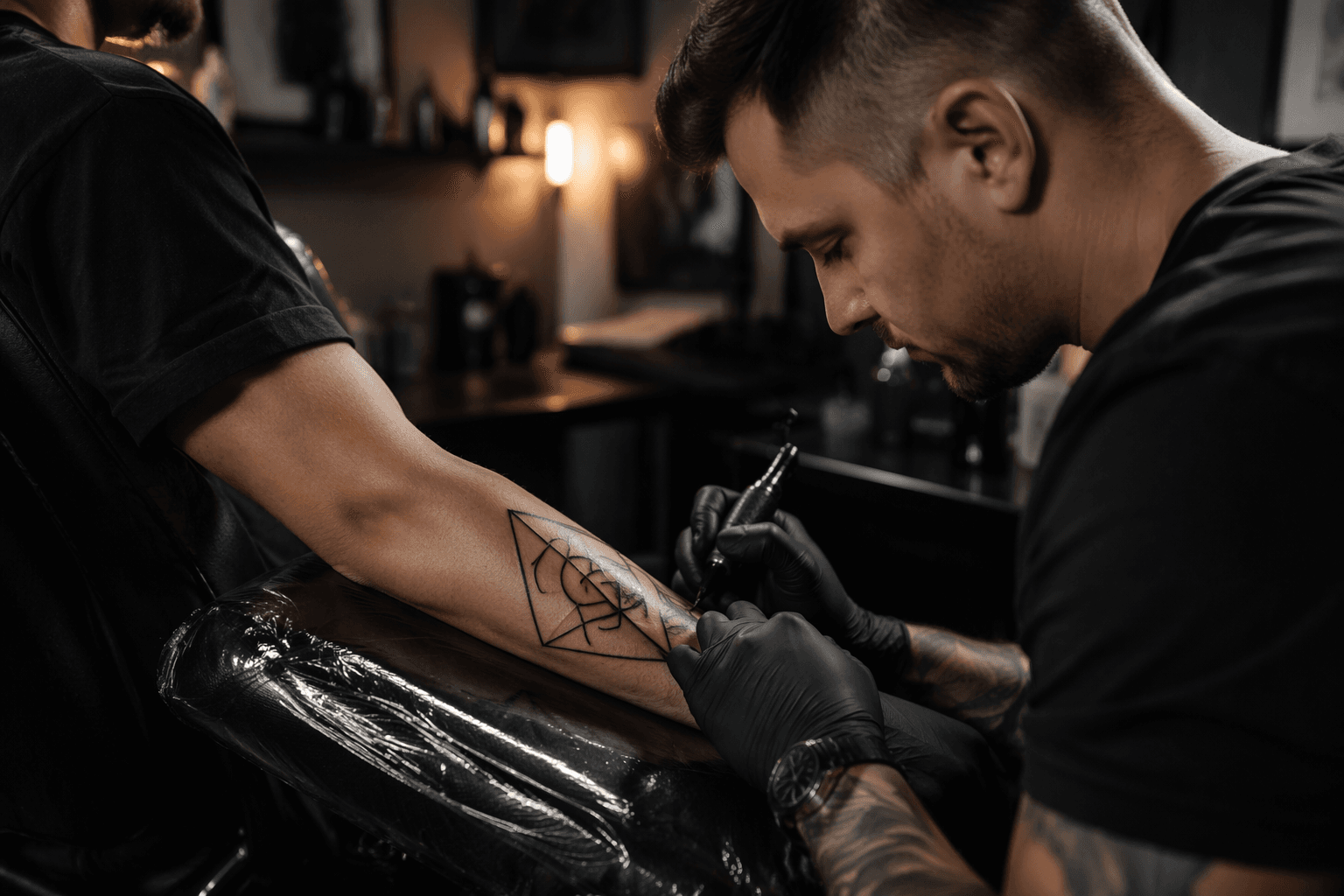
The new split in geometric ink is simple: some people want sacred geometry because it looks sharp, and some want it because the symbol has to mean something before it lives on skin. That tension is why these designs keep pulling attention, even now. Humans have been tattooing for thousands of years, and Ötzi the Iceman, who lived about 5,300 years ago, carried 61 tattoos, many of them geometric and abstract.
Why sacred geometry keeps showing up
Sacred geometry works as body art because it sits in three lanes at once: math, symbolism, and visual order. A recent wikiHow guide, reviewed with symbologist David Christiansen, treats sacred geometry as a blueprint-for-life idea rather than loose internet folklore, which is exactly why the category translates so easily into tattoo briefs. The Metropolitan Museum of Art’s history of geometric ornament in Islamic art, plus Britannica’s definitions of mandalas and yantras as ritual diagrams of the universe, show that this language has always lived at the intersection of form and meaning.
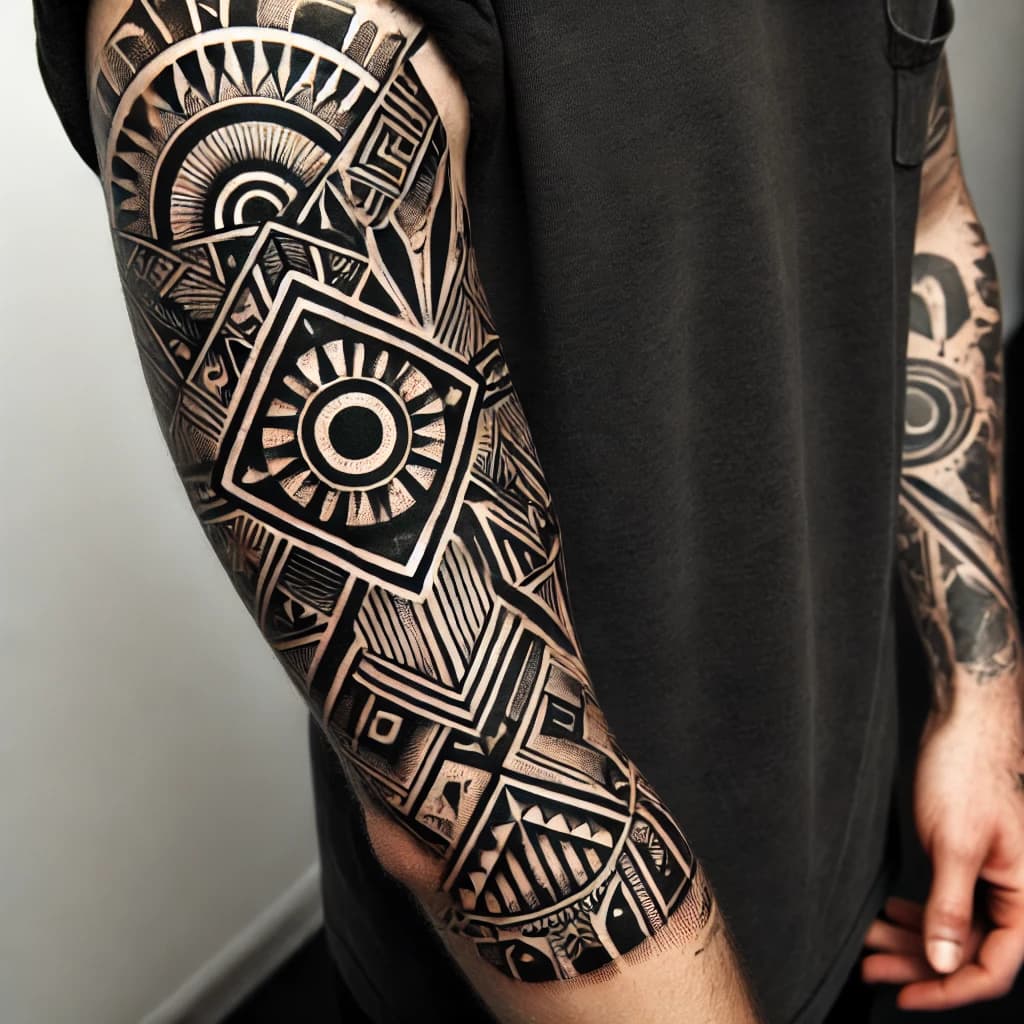
That also explains the current appeal. Tattoodo groups geometric tattoos under sacred geometry, dotwork patterns, mathematical shapes, mandalas, platonic solids, and symmetrical compositions, which is basically the whole modern clean-ink wishlist in one lane. When a design is symmetrical, repeatable, and easy to scale, it can read as spiritual, architectural, or just beautifully balanced, depending on how you draw it and where you place it.
Flower of Life: the safest-looking choice with the biggest meaning trap
The Flower of Life is the symbol most people recognize first, and that familiarity is part of the appeal. In the sacred-geometry reading, it points to creation, interconnectedness, unity, and the cycle of life. On skin, it often gets treated as a universal pattern rather than a narrow religious emblem, which makes it an easy first pick for someone who wants spiritual energy without stepping too hard into one tradition.
That said, “easy pick” is not the same thing as “thoughtless pick.” A Flower of Life tattoo works best when you know whether you want it as a standalone medallion, a background grid, or the base for a larger composition that can grow into other forms. It is the kind of design that can look elegant on the sternum or chest because the symmetry mirrors the body’s centerline, while a forearm version reads more like a public declaration and a back piece gives the pattern room to breathe. If you like the Flower of Life because it feels expansive, make sure the scale matches that feeling instead of collapsing into a tiny, crowded stamp.
Metatron’s Cube: the one people choose for power, then forget to define
Metatron’s Cube is the hardest-edged of the popular sacred geometry tattoos, and it usually comes with the most baggage. In sacred-geometry circles, it is read as a map of creation, balance, harmony, and interconnectedness, and the 5 Platonic solids are said to sit within its structure. The name also points back to Metatron, a figure in Jewish mystical tradition, which is why this design can feel spiritually loaded even when the wearer is mostly reacting to its symmetry.
On skin, that meaning often gets flattened into “it looks powerful,” which is exactly where bad tattoo briefs happen. If you want Metatron’s Cube, ask yourself whether you want the full dense geometry, a lighter linework version, or a hybrid that borrows its structure without turning your arm into a rigid lattice. The design lives or dies on precision, so the real question is not whether it looks cool online, but whether your artist can keep the spacing clean enough that the cube still reads as a cube after it heals.
Sri Yantra: the design that needs the most context
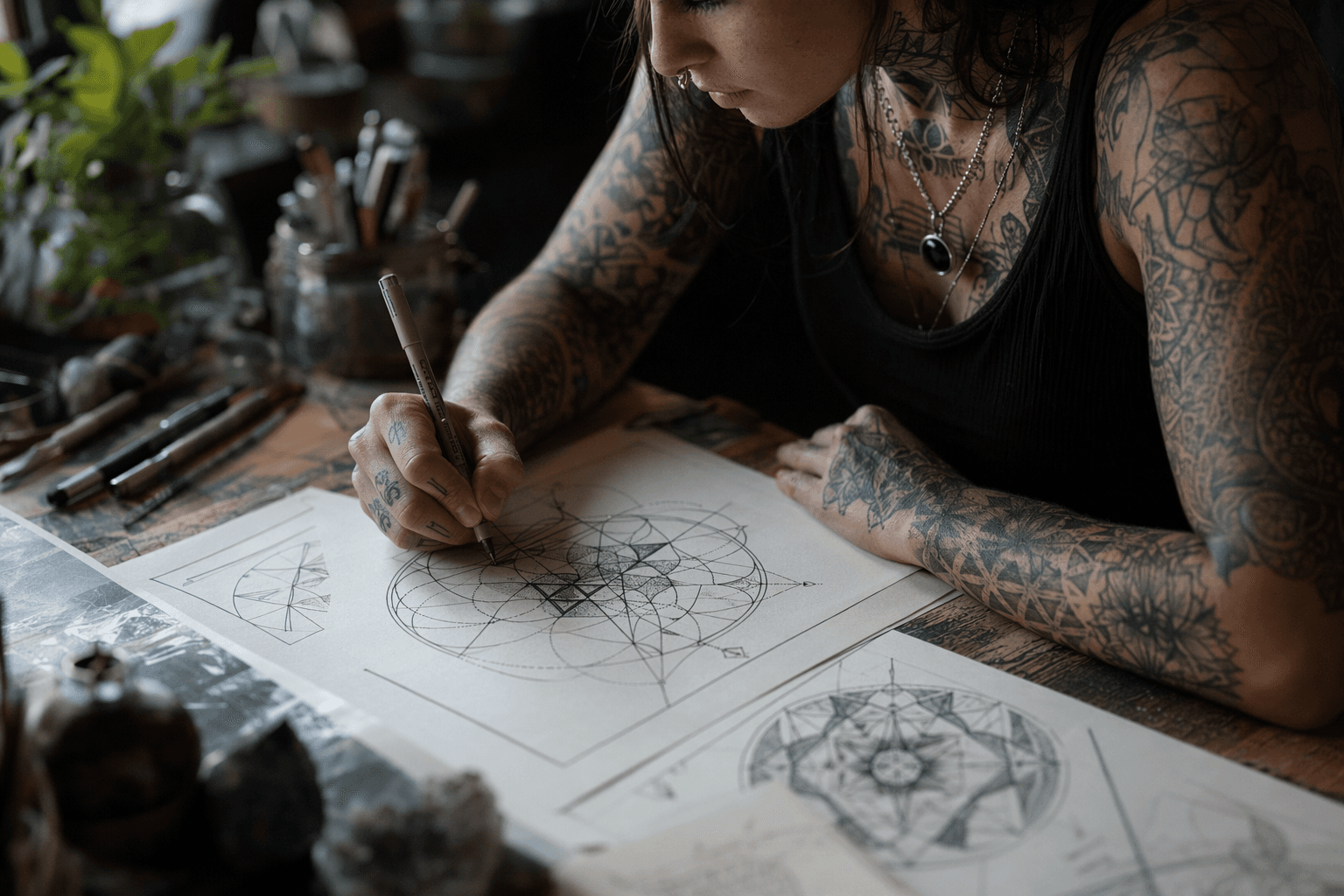
Sri Yantra is the one I would make people slow down on before they book it. Britannica describes the shriyantra, or shrichakra, as a yantra used in Tantric Hinduism and Vajrayana as a support for ritual, and it explains the form as nine intersecting triangles whose dynamic interplay resolves at the center point, or bindu. Britannica also defines mandalas as symbolic diagrams used in sacred rites and meditation, basically representations of the universe, which is why this kind of tattoo often gets read as meditative, cosmological, and deeply intentional.
That is a big reason the Sri Yantra lands so differently from a generic ornamental spiral or a plain geometric rose window. Clients today often interpret it as a chakra-balance piece, a symbol of cosmic order, or a visual shorthand for feminine and masculine forces in equilibrium. Those readings can be meaningful, but they also make the symbol more culturally specific than a lot of people realize, so it deserves a better brief than “I like the shape.”
The questions worth asking before you commit
Tattoodo’s ornamental guide makes the most useful point in this whole conversation: know where borrowed designs come from before you permanently wear them. That matters here more than it does with a lot of other tattoo styles, because sacred geometry is already carrying history, ritual use, and cultural context before it ever gets redrawn as flash.
Before you book, ask yourself these things:
- What tradition am I referencing, and do I actually understand it?
- Am I choosing this for meaning, for symmetry, or because it trends well on social media?
- Does the placement support the symbol, or will the anatomy distort the geometry?
- Is my artist building this as sacred geometry, dotwork, or ornamental patterning?
- Will this still feel deliberate when the novelty wears off?
The best sacred geometry tattoos are not just pretty diagrams. They are designs with a clear lineage, a clear purpose, and a clean enough layout to survive real skin, real movement, and real time. That is what keeps them from becoming decorative noise, and what makes the right symbol feel permanent in the first place.
This article was produced by Prism’s automated news system from verified source data, official records, and press releases, then run through automated quality and moderation checks before publishing. The system is built and supervised by the people who set the standards it runs under. Read our full AI policy.
Did this article answer your question?