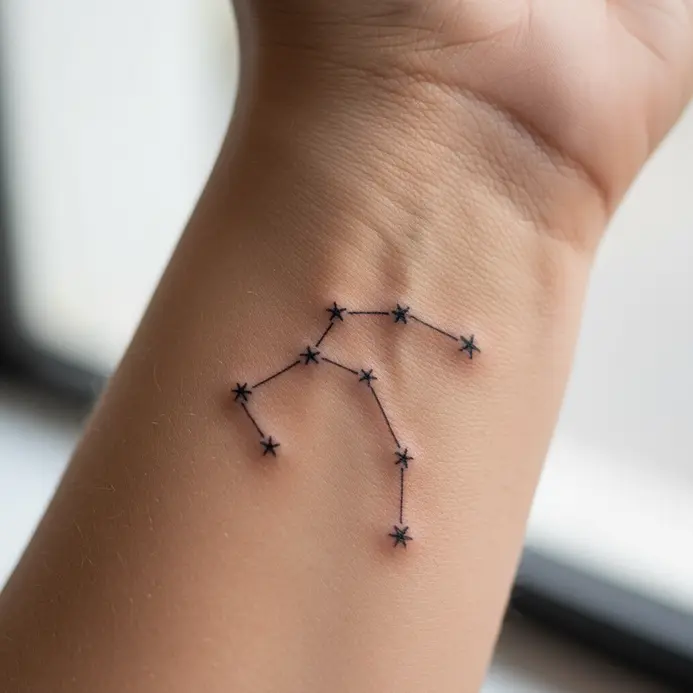
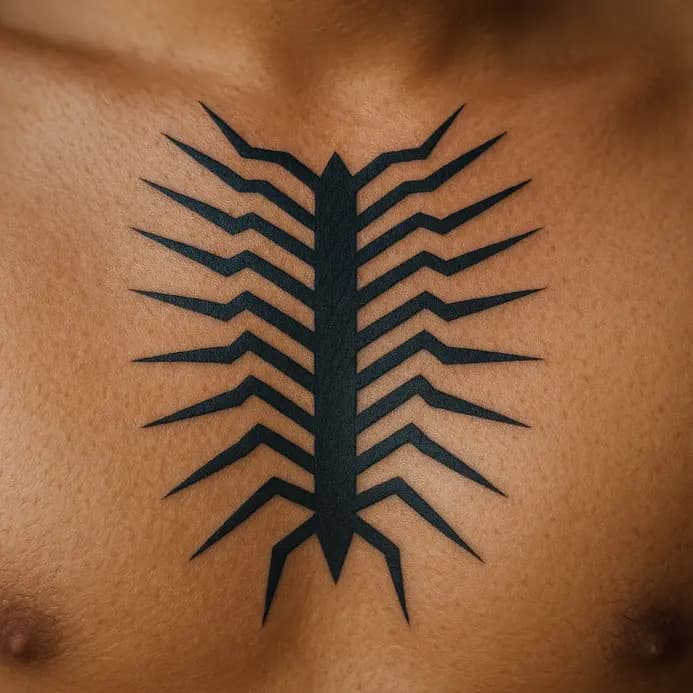
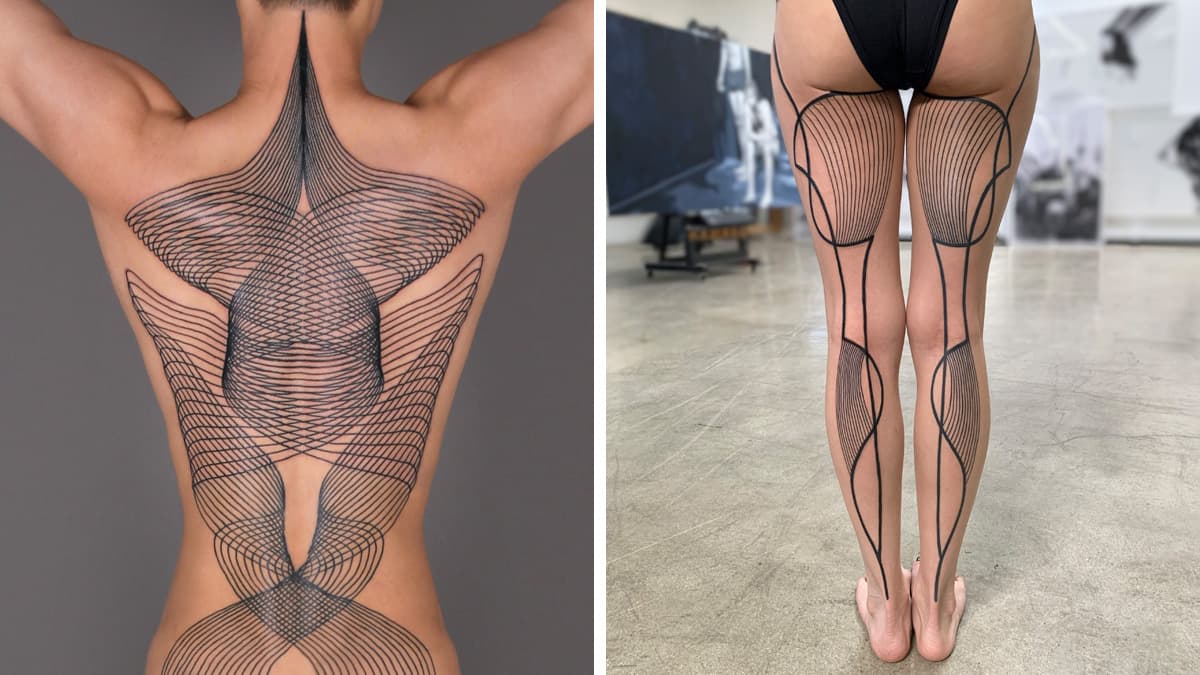
wrist geometric tattoos cost more than their tiny size suggests
Tiny wrist geometry rarely stays cheap. Symmetry, wraparound alignment, and healing risk push small bands and symbols well past bargain pricing.

A wrist tattoo can look like a ten-minute job until the stencil goes on. For geometric work, that tiny patch of skin demands the sort of precision that costs real money: clean symmetry, careful wraparound alignment, and enough restraint to keep the design readable once it starts moving with the hand.
Why the wrist is not a bargain placement
The wrist is one of those spots that punishes sloppy work fast. It is visible, hard to hide, and unforgiving when line control drifts even a little, which is exactly why geometric tattoos on the wrist often cost more than their size suggests. A clean mandala fragment, a micro band, or a fine-line symbol is not just about drawing small. It is about making sure every line lands where it should and still reads correctly from every angle.
That extra care shows up in the bill before the first line is pulled. A person who expects a tiny, cheap tattoo often still ends up paying a shop minimum, plus the time it takes to set up the design, prep the skin, place the stencil, and walk through aftercare. In other words, the price is not only for the ink on the skin. It is for the precision work around it.
What the 2026 wrist price bands actually look like
The clearest way to budget a geometric wrist tattoo is by format, not by vague size. A simple single-line word or tiny symbol usually sits around $80 to $180. That is the entry point for minimal work, but even here the artist still has to place it carefully so the wrist’s movement does not throw the design off.
Move into a small fine-line design with a couple of elements, and the range commonly lands around $150 to $300. That jump makes sense once you think about spacing, balance, and how much correction a wrist area can demand during stencil placement. Fine-line geometry looks effortless when it is done well, but it leaves very little room for error.
A small geometric cuff or bracelet-like band is where the price starts to climb more sharply, usually around $300 to $600. A full wraparound cuff or blackwork band can rise to about $500 to $1,200, depending on artist tier and session count. That is the part many buyers underestimate: once a wrist piece has to wrap cleanly around a moving joint, the job stops being “small” and starts becoming technical.
Why geometry costs more than other small styles
Geometric tattoos are built on symmetry, spacing, and crisp edges. Those are not decorative extras, they are the whole visual language. If the spacing is off by even a little, the eye catches it immediately, which is why wrist geometry demands steadier hands than a lot of other micro work.
That is also why ornamental and geometric crossover pieces can cost more than readers expect. A tiny mandala, a bracelet band with repeated patterning, or a thin black cuff may appear simple from across the room, but up close they require the artist to keep the rhythm of the pattern intact while working around a narrow, curved, flexible surface. That combination is exactly what pushes the job toward a higher minimum.
The artist you book changes the price as much as the design
Tattooing 101’s 2026 pricing guide makes the bigger point well: tattoo pricing is not just about size. Artists have to account for design complexity, setup, overhead, and the time it takes to produce clean work. For wrist geometry, that means specialization matters a lot. A strong linework artist who does a lot of ornamental, blackwork, or geometric cuffs will usually price differently from a generalist who only occasionally takes on that kind of precision.
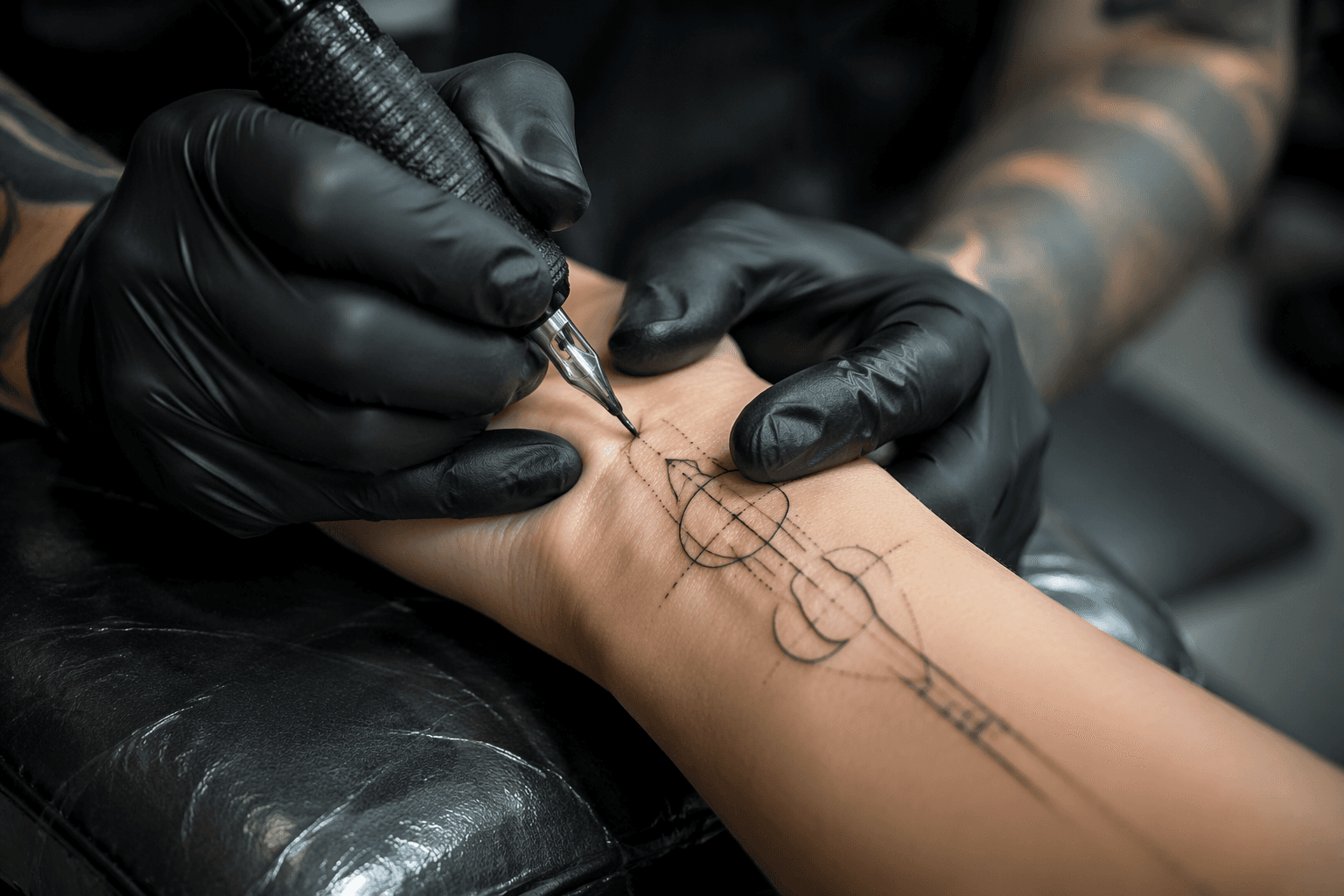
That specialization matters because wrist tattoos leave nowhere to hide. A geometric cuff that looks perfect on paper can become a problem if the artist is not used to the way wrist skin flexes, how bands taper, or how much visual compression happens on a narrow circumference. Paying for a better fit often means paying for fewer compromises.
Pain and healing are part of the budget too
Healthline’s tattoo guides add a practical layer that budget charts often skip. Wrist tattoos are generally more painful than many other placements because the area has thin skin, little fat, and many nerve endings. They can also take longer to heal than tattoos in less mobile places because the wrist sits near a joint that flexes constantly.
That matters for geometric work more than it does for looser styles. If a line blurs, wobbles, or heals unevenly, you see it immediately in a clean geometric design. A little irregularity can change the whole read of a cuff, band, or symbol, which is why touch-up risk should be part of the conversation before the appointment starts.
What bracelet tattoos and black bands are really asking for
Tattooing 101 notes that wrist bracelet tattoos, also called band tattoos or cuff tattoos, are often done with bold black lines and can carry a subtle tribal or geometric vibe. That visual language is popular for a reason. A strong band can make the wrist look deliberate and architectural without needing a large canvas.
But the same source also warns against cramming too much detail into the narrow wrist. That is the trap. A design that looks elegant in a sketchbook can turn unreadable once it is wrapped around a slim, moving area. Clean geometry on the wrist usually wins when it stays disciplined: fewer micro-elements, clearer spacing, and enough breathing room for the shape to survive healing.
Geography still moves the needle
Location can swing the final price a lot. Cities such as Bali, Bangkok, Mexico City, and Lisbon often charge less than New York, London, or Sydney for comparable skill levels. That does not automatically mean the cheaper market is a bargain or the pricier one is overcharging. It means the same kind of wrist geometry can live in very different price ecosystems depending on local demand and studio economics.
For budget planning, that matters just as much as motif choice. If you are pricing a geometric wrist piece, the real comparison is not tiny versus large. It is whether you want a simple symbol, a fine-line mini composition, a bracelet-style band, or a full wraparound cuff, and whether your artist is known for the kind of linework that keeps a wrist piece looking sharp after it heals.
Tiny wrist geometry is only cheap if you ignore everything that makes it work. The moment symmetry, wraparound alignment, and touch-up risk enter the picture, the price starts making sense.
This article was produced by Prism’s automated news system from verified source data, official records, and press releases, then run through automated quality and moderation checks before publishing. The system is built and supervised by the people who set the standards it runs under. Read our full AI policy.
Know something we missed? Have a correction or additional information?
Submit a Tip