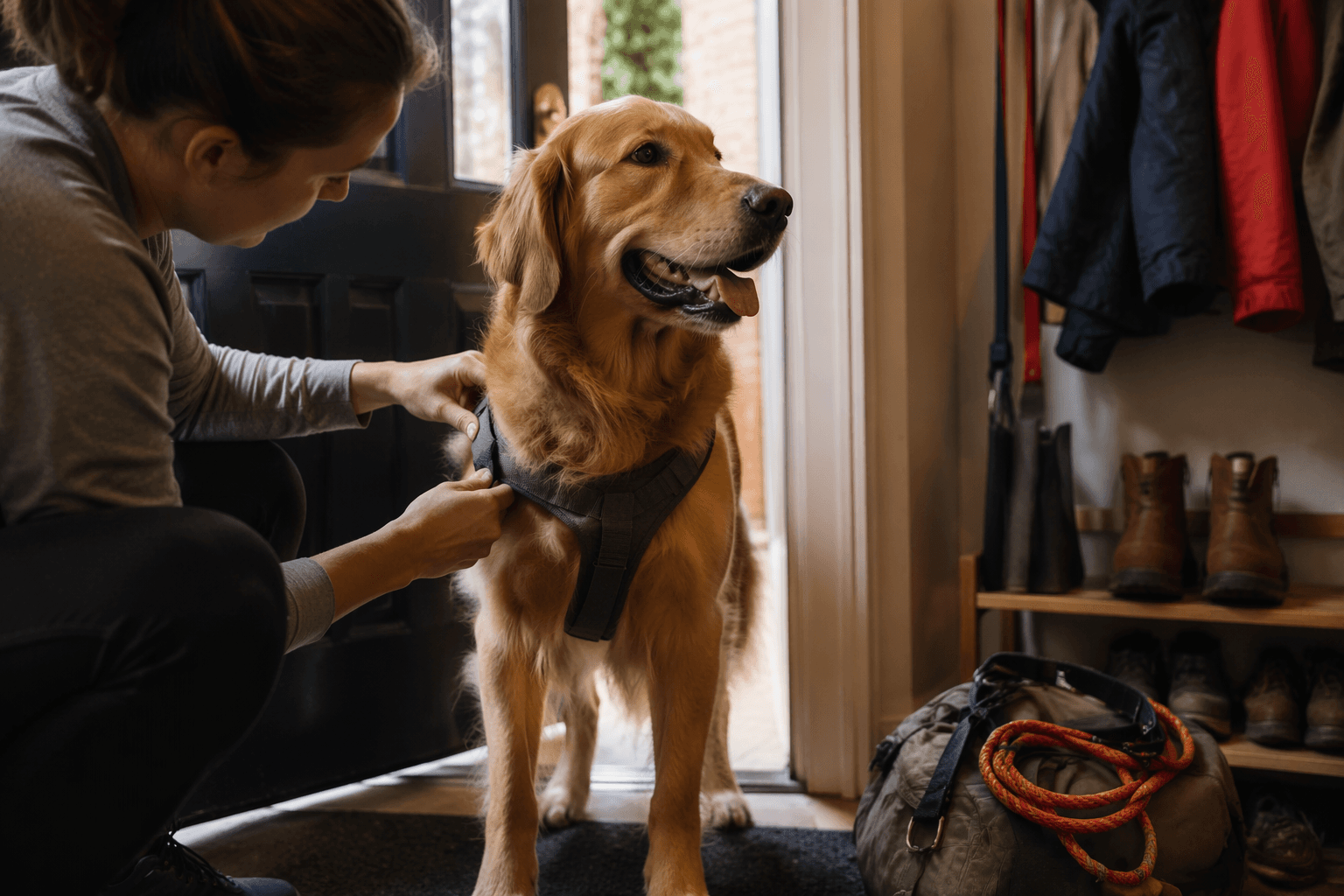
Arizona heat keeps high-energy dogs indoors, vets recommend enrichment
Arizona heat can trap high-energy dogs inside, but vets say a smarter mix of training, puzzles, and play beats boredom before it wrecks your couch.
Summer in Arizona has a way of turning the normal dog routine upside down. When the heat makes outdoor exercise unsafe or a storm shuts the yard down, a high-energy dog does not stop needing an outlet, and that is when pacing, whining, chewing, and other self-made entertainment tend to start. Curem Veterinary Care’s message is blunt: indoor enrichment is not extra credit, it is how you keep a busy dog from redecorating your house with your shoes and furniture.
Mental fatigue comes first
If your dog is wired, the fastest way to make real progress indoors is to work the brain before you chase the body. The American Animal Hospital Association says enrichment is more than playtime, because it supports physical health, emotional wellbeing, and overall happiness while keeping a dog’s mind sharp, reducing stress and anxiety, and helping prevent problem behaviors. The American Society for the Prevention of Cruelty to Animals says dogs need regular enrichment to satisfy innate behaviors like playing, chasing, smelling, chewing, and scavenging.
That matters because a dog that is mentally satisfied is usually easier to live with than one that simply ran a few laps and came back inside still looking for trouble. Curem’s approach leans hard into structure: a regular training session, predictable play, and puzzles that occupy the dog while you are away. In practice, that can mean a short morning training block, an evening nose game, or a food puzzle that makes dinner take work instead of seconds.
The same logic applies to chewing. AAHA points out that dogs explore their environment with their mouths, and chewing is a natural instinctive behavior that supports mental and emotional health. That is why chew toys, lick mats, and frozen treats are not indulgences for a high-drive dog. They are controlled outlets for a behavior that is already built into the species.
Physical exertion without baking the dog outside
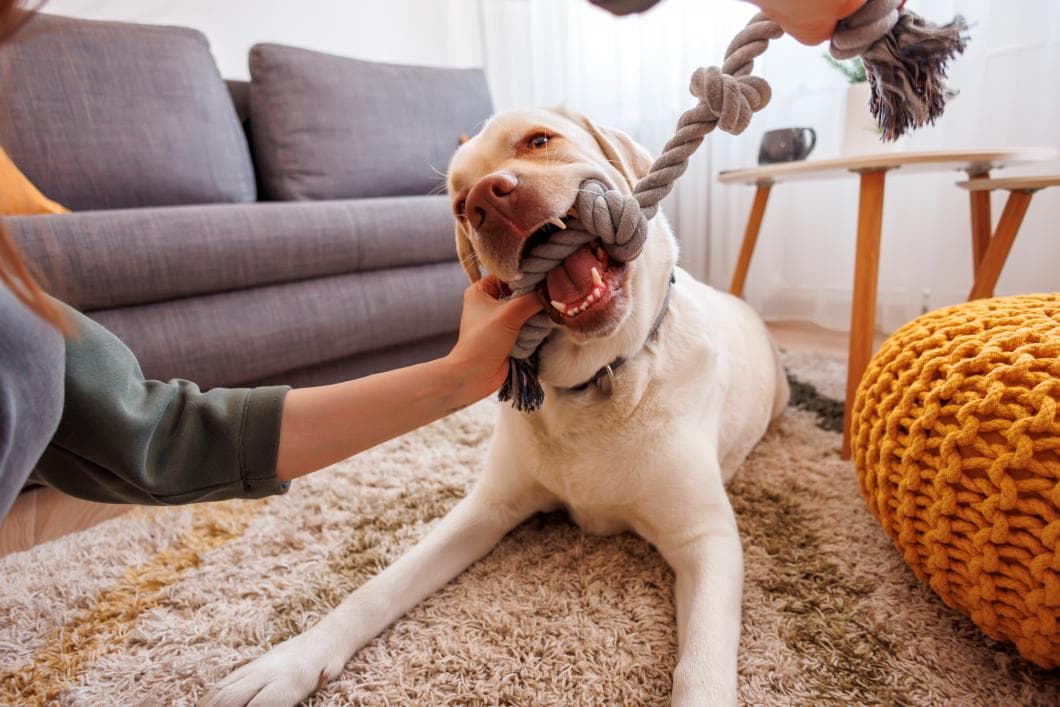
When the pavement is too hot and the sky is throwing monsoon tantrums, you still need a way to burn energy off. Curem recommends an early walk before temperatures rise, which is the cleanest answer when the weather cooperates. If it does not, the clinic suggests swapping in active indoor play, including tug, hide and seek, or even a garage agility course.
That last one is especially useful for dogs that need more than a token indoor romp. A garage setup gives you space to string together jumps, turns, and short bursts of movement without turning the living room into a casualty zone. Tug and fetch also show up in the ASPCA’s guidance on destructive chewing, alongside clicker training classes, dog sports, and food puzzle toys, because the point is not just to tire the dog out once. The point is to give that energy somewhere appropriate to go.
For dogs that are truly intense, the best indoor plan usually blends exertion with problem-solving. A dog that sprints through a game of fetch and then has to sniff out hidden treats is getting both kinds of work. That combination fits what veterinarians keep emphasizing: hyper dogs do not just need movement, they need purposeful activity that makes them think while they move.
Low-effort routines that fit real life
The smartest part of Curem’s advice is that it does not depend on expensive gear or a perfect house. The clinic favors simple, repeatable routines, which is exactly what most owners can actually keep up with when summer gets brutal. Dogs thrive when they can anticipate daily play, training, and treat sessions, because consistency makes the day feel secure and reduces the boredom that drives destructive choices.
That is where low-effort enrichment earns its keep. A lick mat can slow a snack down and keep a dog busy. A chew toy can buy you quiet. Frozen treats can stretch a few minutes into a longer settle. For dogs that get lonely when their people are out, Curem even suggests leaving a podcast or TV on, a small environmental support that can soften the edge of silence in a too-quiet house.
Cornell University College of Veterinary Medicine’s enrichment guidance adds a practical layer: make the games harder gradually. Start easy, then increase difficulty so the dog keeps solving new problems instead of mastering one puzzle and blowing through it in a day. Cornell also recommends interactive food-dispensing toys or puzzle feeders, including homemade versions as simple as scattering food in a cardboard box filled with crumpled paper or your dog’s toys. That is a good fit for apartment living, busy workdays, and anyone who wants enrichment without another gadget taking over the kitchen.
- Lowest effort: lick mats, chew toys, frozen treats, and food puzzles
- Moderate effort: training sessions, hide and seek, and scent games
- Higher effort: tug, fetch, and a garage agility course
If you want a simple indoor plan by effort level, the pattern is straightforward:
That ladder matters because not every day calls for the same amount of management. Some dogs need a quick mental win before a nap. Others need a longer rotation of movement and problem-solving to stay out of mischief.
When enrichment helps, and when it is not enough
The veterinary community is also careful not to oversell enrichment as a cure-all. Destructive chewing, vocalization, and similar behavior can overlap with boredom, stress, anxiety, or separation-related problems. Enrichment may ease frustration-based behavior, but if the dog is acting out even after you have built a solid indoor routine, there may be something deeper going on.
That is where Cornell University Hospital for Animals’ Behavior Medicine Service comes in. It treats emotional disorders in companion animals, including aggression, anxieties, fears, phobias, and age-related behavioral changes. In other words, if the problem looks bigger than excess energy, it probably deserves a veterinary conversation instead of more toys tossed into the room.
There is also real evidence that enrichment changes behavior. An American Veterinary Medical Association-published study of 107 shelter dogs found that food-toy enrichment and cage-behavior training improved several desirable behaviors. Compared with controls, 65 percent of enriched dogs increased sitting or lying down versus 22 percent of controls, 35 percent increased quiet behavior versus 13 percent of controls, and 57 percent showed less jumping versus 9 percent of controls. Shelter life is not the same as home life, but the numbers reinforce the same basic lesson: structured enrichment changes how dogs carry themselves.
That is the real answer to an Arizona summer that keeps high-energy dogs indoors. Do not wait for the weather to become cooperative. Build a routine that gives the dog a job, burns energy in the body and the brain, and leaves less room for boredom to turn into chaos.
This article was produced by Prism’s automated news system from verified source data, official records, and press releases, then run through automated quality and moderation checks before publishing. The system is built and supervised by the people who set the standards it runs under. Read our full AI policy.
Did this article answer your question?