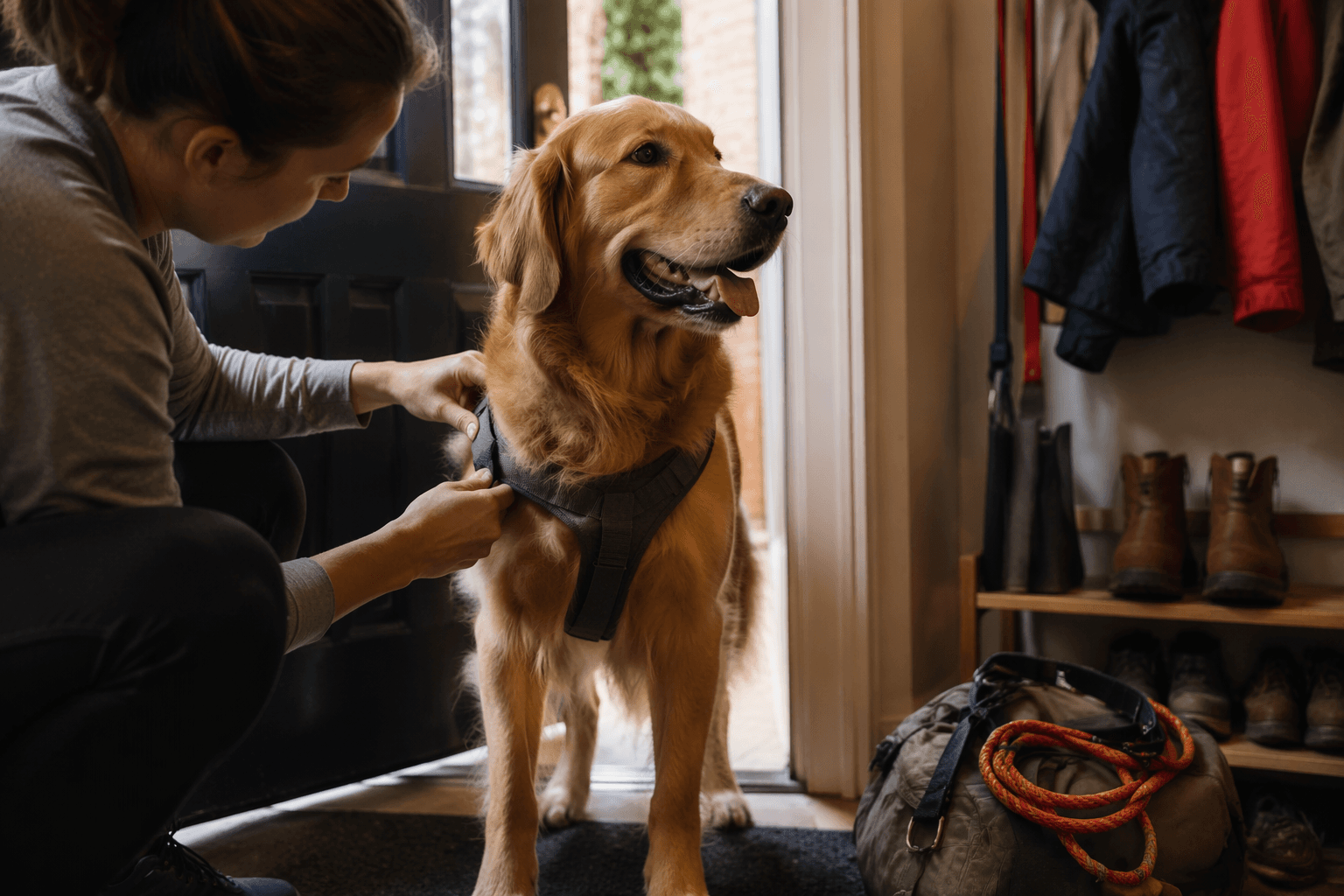
Dog training costs explained as a budget tool for energetic dogs
The cheapest training is often the one you start early. For hyper dogs, a few hundred dollars can beat shredded furniture, runaway habits, and a much pricier cleanup later.
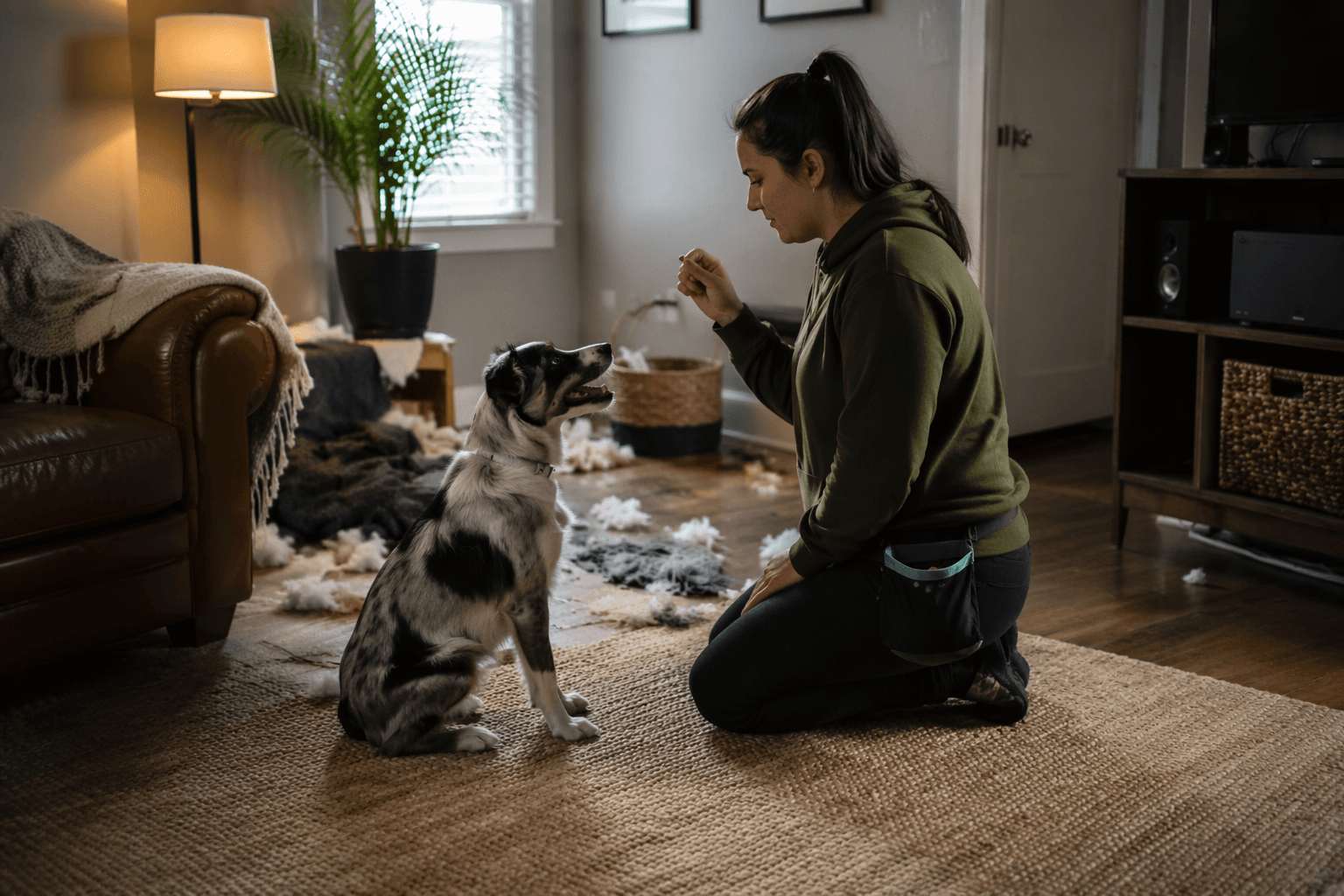
The real cost of an unmanaged high-energy dog shows up fast: chewed furniture, shredded pillows, barking that never seems to stop, and the kind of door-dashing or escaping that turns a normal day into a mess. Dogster’s June 27 price guide makes the money side easy to see: training is cheaper than living with the fallout of no structure at all.
What unmanaged energy really buys you
For hyper dogs, training is not a luxury add-on. Reward-based methods should be used for all dog training, including behavior problems, the American Veterinary Society of Animal Behavior says, and that matters when the issue is not “bad dog” behavior so much as excess drive with nowhere useful to go. The American Society for the Prevention of Cruelty to Animals classifies barking, chewing, digging, escaping, and running away as natural behaviors, but they are also the ones that push people toward help from a qualified professional.
Behavioral problems affect more dogs and cats than any other condition and are among the most common causes of euthanasia, relinquishment, or abandonment, the American Animal Hospital Association says.
What dog training actually costs
Dogster’s June 27 pricing guide puts group classes at about $20 to $75 per session, while personalized training sessions can range from about $45 to $400. Many group programs are sold as six- to eight-week packages, with totals often landing between $120 and $600.
A dog that needs simple manners, leash work, or a better off switch may do fine in a group class. A dog that is overstimulated, reactive at the front door, or likely to blow past its brain in a busy room often needs something more targeted, and that is where one-on-one work starts making more sense even if the hourly price climbs.
Rover puts puppy classes at about $55 to $90 per course, one-on-one training at about $100 to $150 per hour, virtual training at about $35 per week, and board-and-train programs at about $3,000 to $4,000 for two weeks.
Why high-energy dogs need the right kind of training
Among Canine Good Citizen and AKC S.T.A.R. Puppy owners, one of the most commonly reported behavioral concerns is having a dog that is “hyper” or “too active.” AKC says the problem is often less about a bad dog than about an owner who needs more education and a dog who needs a more suitable daily schedule and exercise plan.
Positive reward-based training gives a dog mental stimulation and helps tire dogs out, making them less likely to misbehave. In plain terms, a dog that has to think is usually a dog that has less energy left to spend wrecking the house.
Bored dogs may chew furniture and shoes, shred pillows, or unroll toilet paper. Dogs need regular outlets to play, chase, smell, chew, and scavenge, the ASPCA says. That means the best training plans do more than teach sit and down. They build a routine that gives an energetic dog legal ways to use its brain and body.
Where the money is best spent
For most high-energy households, the best value usually starts with reward-based instruction and a trainer who can match the dog’s level of arousal. A private trainer may be the smarter buy when the dog is not ready for a classroom setting, especially if other dogs send the whole system into overdrive or the front door has become a launchpad. Group classes are usually the cheapest entry point, but they are not always the cheapest fix.
The Certification Council for Professional Dog Trainers is an independent certifying organization for dog trainers, and the International Association of Animal Behavior Consultants says its credentials reflect high standards of knowledge and professionalism. The ASPCA’s training resource guide points owners toward certified trainers and toward both organizations.
Why the adolescent stage gets expensive fast
The period from about 6 months to 3 years old can be especially challenging as dogs mature socially and behaviorally, AAHA says. It covers the dogs that explode out of puppyhood and seem to turn every calm household into a chaos lab. It is the stage when “we’ll deal with it later” becomes an expensive habit.
AKC says one million dogs, purebred and mixed breed, have earned Canine Good Citizen titles. AKC’s S.T.A.R. Puppy program, which stands for Socialization, Training, Activity, and a Responsible owner, gives puppies a starting point that can feed into CGC work later.
This article was produced by Prism’s automated news system from verified source data, official records, and press releases, then run through automated quality and moderation checks before publishing. The system is built and supervised by the people who set the standards it runs under. Read our full AI policy.
Did this article answer your question?