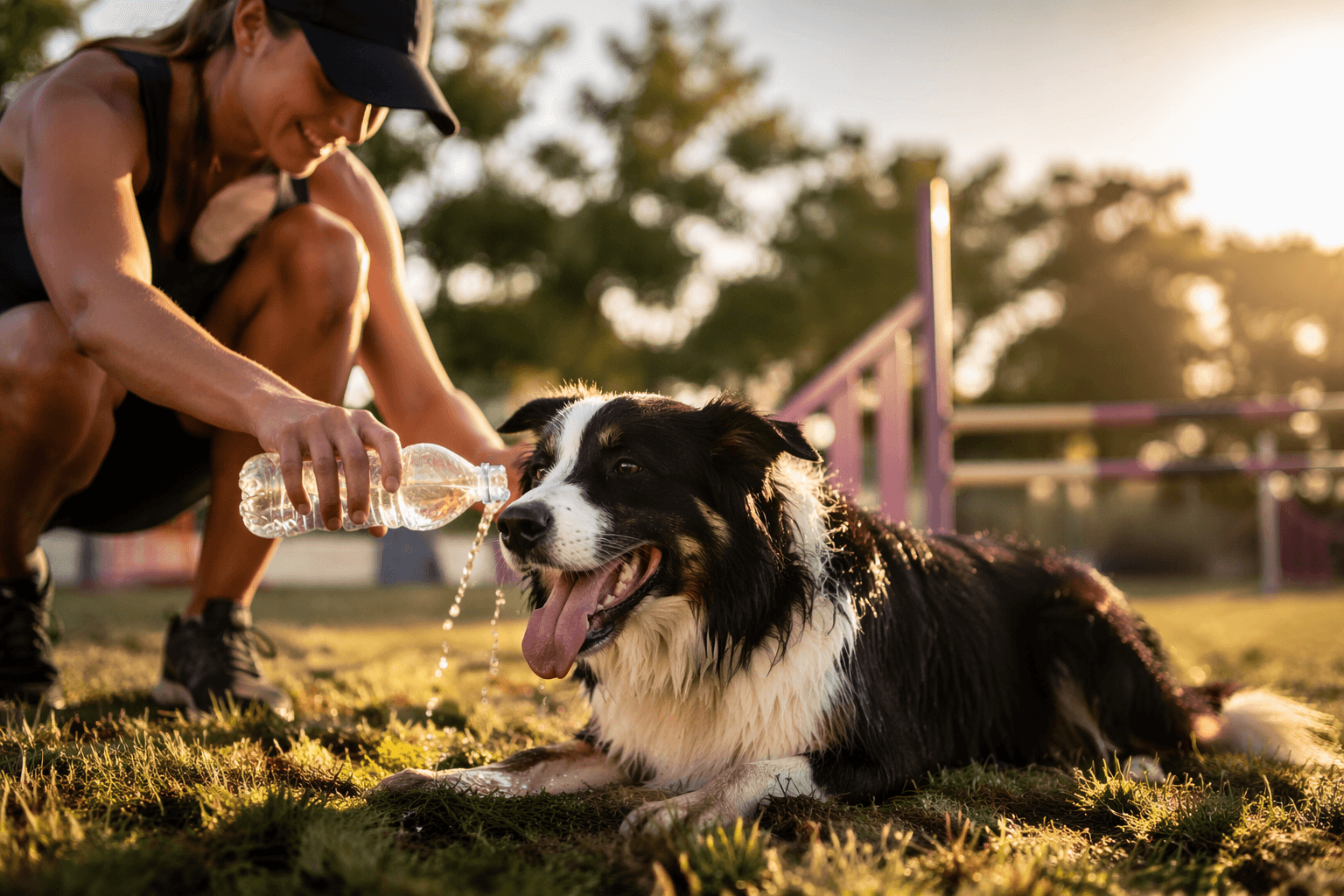
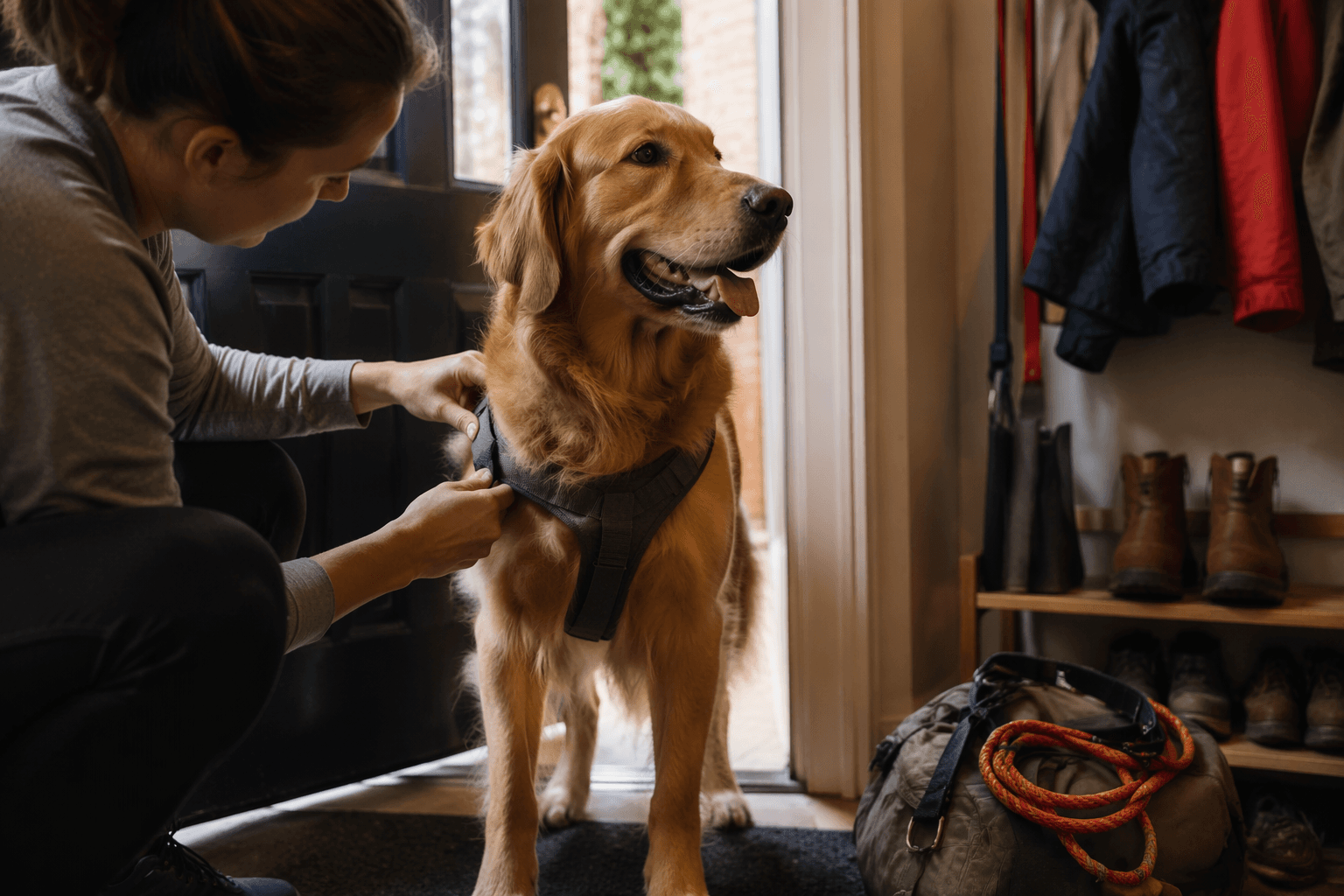
K9 Daisy joins search for missing elderly man in Serian
Daisy's nose joined a multi-agency hunt in Serian for 68-year-old Baluk Dayo, missing after a funeral, as terrain and time tightened the race.

Daisy was deployed into a search that had already become a race against Serian’s hills, rivers and forest tracks, with 68-year-old Baluk Dayo still missing after disappearing on the way home from a relative’s funeral. The K9 unit’s role in the operation showed exactly why scent-trained dogs matter when a person may be medically vulnerable and the ground itself works against human searchers.
Baluk was last seen around 2 p.m. on Saturday, May 16, 2026, after attending the funeral at Kampung Koran Bari. When he did not return home, his family searched the surrounding area before notifying authorities. The Fire and Rescue Department received the report at 10.38 p.m. on Sunday, May 17, and the search team reached the location at about 8.45 a.m. on Tuesday, May 19, after a police briefing.
The operation centered on Kampung Koran Empaneg and brought together firefighters, police, the Civil Defence Force, RELA members and about 50 villagers. That mix tells you how serious the situation was. Baluk was reported to have hypertension, a weak heart and gastritis, conditions that made every hour more worrying and raised the odds that he could not have gone far without help.
This is where Daisy’s work mattered. In a place like Serian, about 60 to 64 kilometers from Kuching, the land itself can bury a trail. Hilly ground, forest edges, rivers and scattered village settlements make visual searching slow and uneven, while a working dog can follow scent and cut through the guesswork. That is the difference between a pet-dog nose game and real search work: the dog is not chasing novelty or burning off energy, but holding a line under pressure while people fan out around it.
The deployment also sits inside a bigger push to strengthen Malaysia’s canine search capacity. Bomba Sarawak said in January 2024 that its K9 unit had five dogs at the time and wanted an urban search and rescue specialization. In April 2025, the Fire and Rescue Department said it would receive 16 new trained dogs from the United Kingdom for RM2.4 million, after noting that about half of the existing trained dogs were already over 12 years old, well past the recommended working age of eight to 10 years.

Daisy’s search was not a showpiece. It was the kind of high-stakes, ground-level work that defines a capable K9 unit, where drive, focus and scent discipline are put to use for one purpose only: bringing someone home from difficult country before time runs out.
This article was produced by Prism’s automated news system from verified source data, official records, and press releases, then run through automated quality and moderation checks before publishing. The system is built and supervised by the people who set the standards it runs under. Read our full AI policy.
Did this article answer your question?