KHON2 roundup highlights best snorkeling spots across Hawaii
A statewide snorkel roundup helps Kona most when you use it to judge entry, visibility, and exposure. The real question is whether the spot fits your group before you commit to the water.
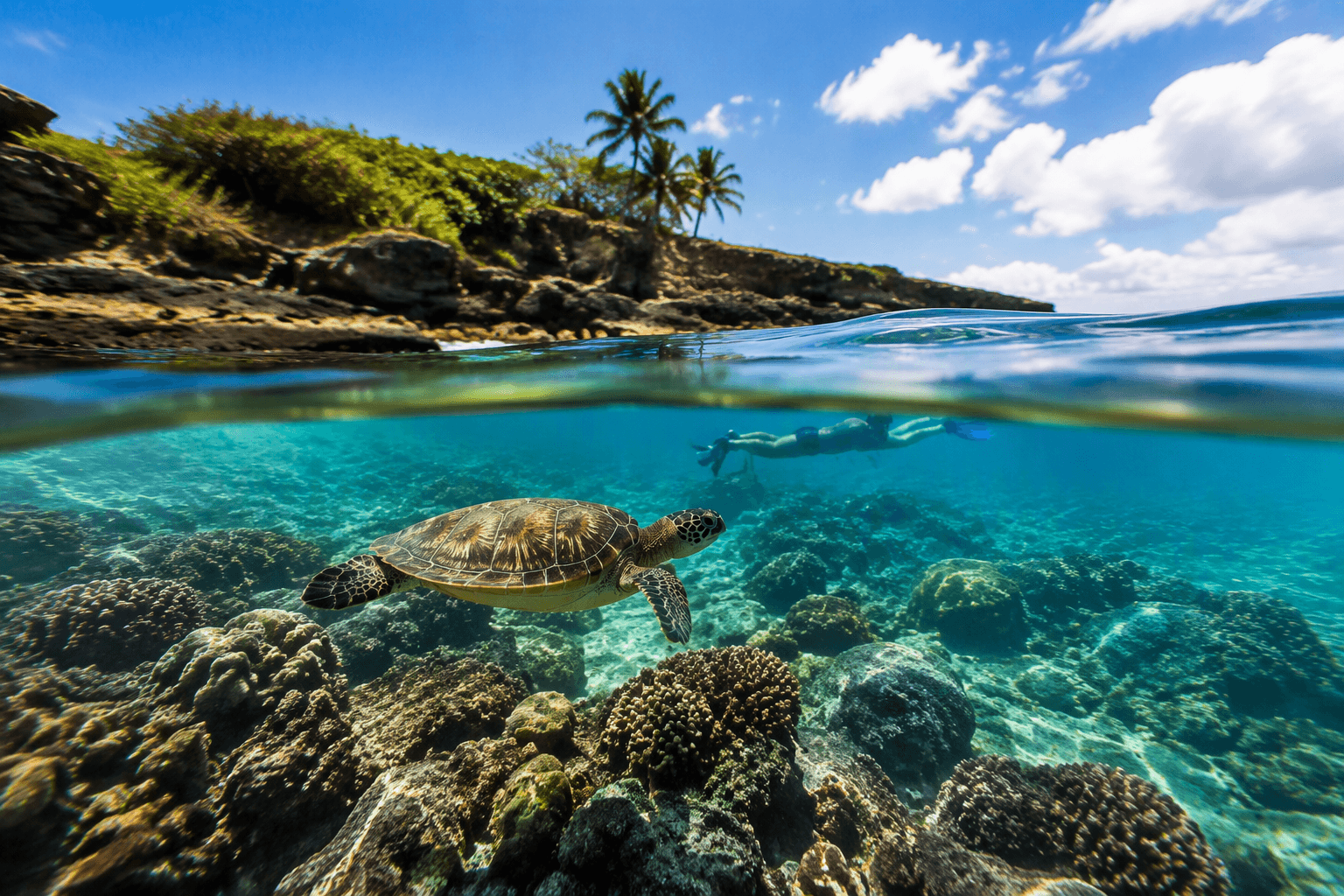
A pretty reef can still be a bad call in Kona if the entry is awkward or the swell is up. KHON2’s July 30 roundup, “Discover the best places for snorkeling in Hawaii,” lands at exactly the right moment for Kona planning: peak summer, crowded beaches, and visitors who may not read local conditions well. A statewide list can still be useful for Big Island divers and snorkelers.
How to read a statewide snorkeling list in Kona
The value of a roundup like this is not in picking a winner, it is in narrowing the field fast. In West Hawaii, where shore dives, boat dives, and mixed-family beach days all compete for the same morning, the first question is whether a site is easy to access, likely to hold visibility, and sheltered enough to keep the day from turning into a slog.
HOST Hawaii puts the number at roughly 3 million people snorkeling in Hawaiian waters each year, and the Hawaii State Department of Health set up Hawaii Ocean Watch’s Snorkel Safety Sub-committee. That volume affects how beachgoers, rentals, and dive plans shake out across the islands.
The safety rules that should override the pretty water
Hawaii Ocean Safety says snorkeling is one of the most popular ocean activities in Hawaii, but it can also be the most dangerous. More Hawaii visitors drown while snorkeling than during any other activity.
The basic guidance is not complicated, but it is easy to ignore when the water looks calm from the parking lot. Snorkelers should be experienced ocean swimmers, should check with a lifeguard about current conditions and safety hazards before getting in, and should know their own limits, health, and fitness before entering the water. Strong currents can happen at any beach in Hawaii, and the islands are more dangerous than continental shorelines because they sit in the middle of the Pacific.
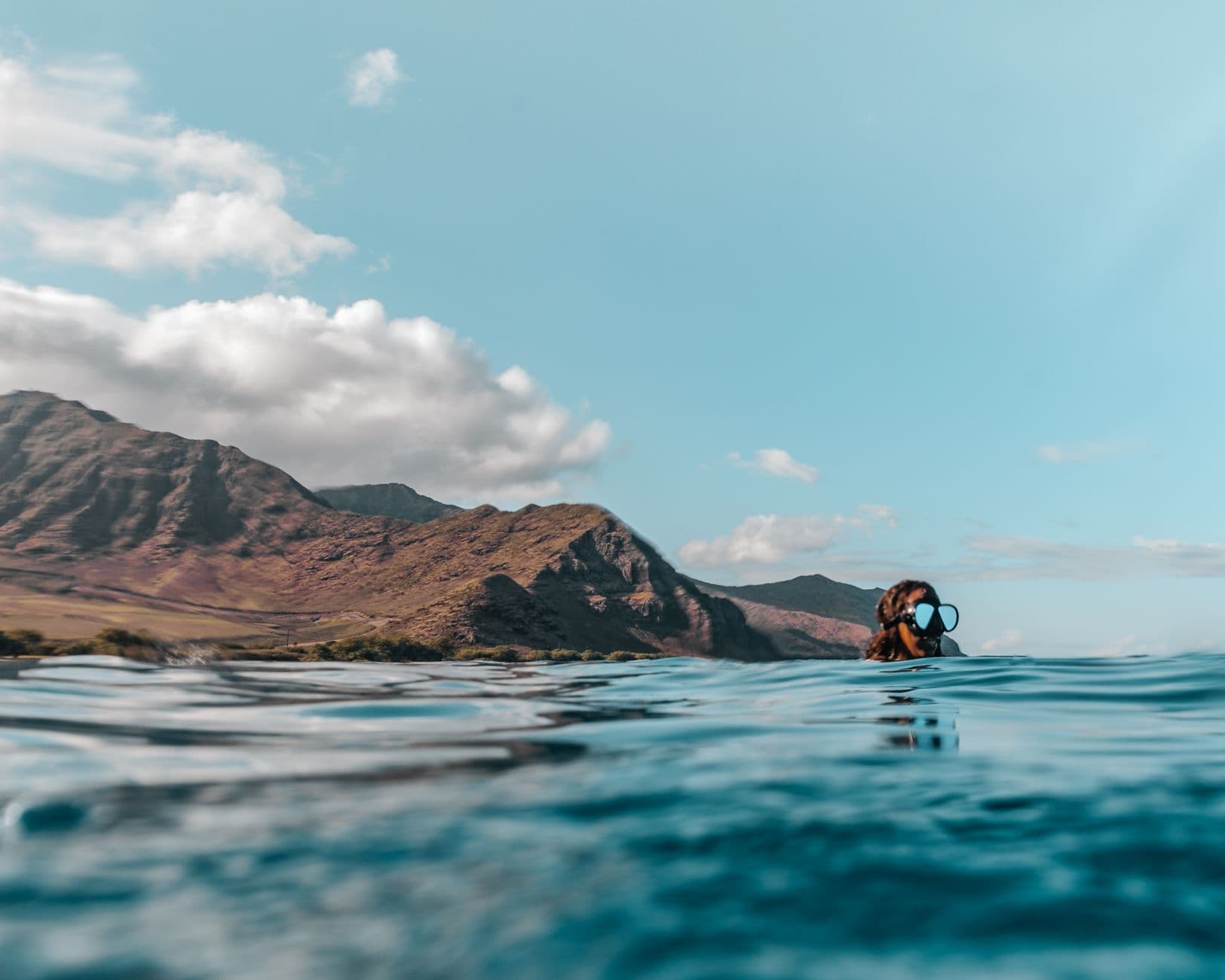
A quick Kona decision checklist looks like this:
- Treat a lifeguard check as part of the plan, not an optional extra.
- If the current looks manageable from shore, still assume it can change at any beach.
- If someone in the group is not a strong ocean swimmer, do not let a calm-looking bay talk you into a bad entry.
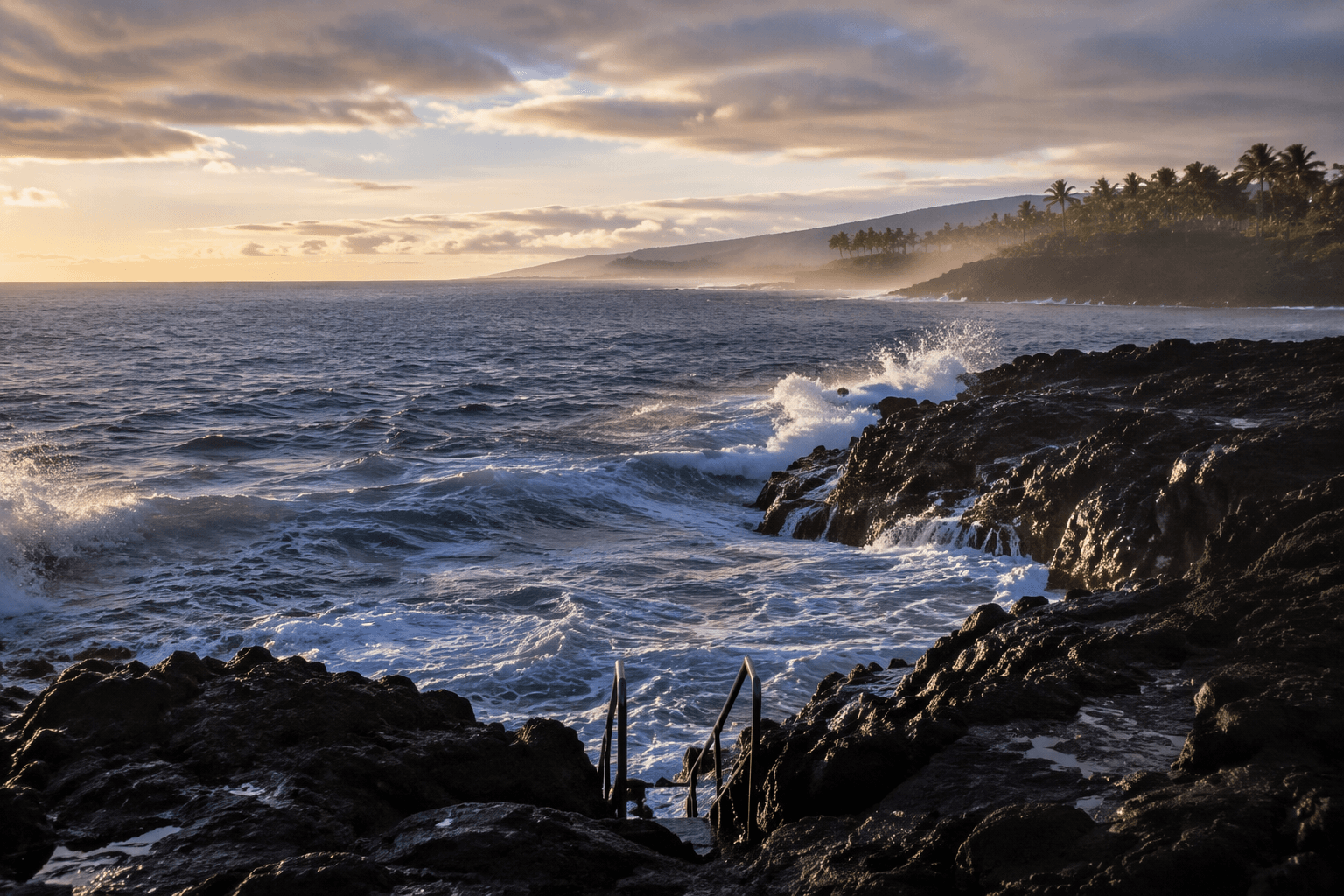
- If the shorebreak or surge looks messy, skip the snorkel stop and save the energy for a better day.
Why Kona and Hilo do not play by the same rules
The island’s coasts behave differently. The west side around Kona is known for protected bays and more consistent marine life, while the Hilo side gets more rainfall and surf, which cuts visibility at most beach entries.
Kona also has range. The Kona coast has fourteen shore-entry snorkeling spots, by one local snorkeling guide’s count, which means you usually have options if a first choice is too exposed or too crowded. Five snorkeling spots front Kohala resorts: Anaehoomalu, Makaiwa, Honokaope, Pauoa, and Kaunaoa. That does not remove the need to check the actual entry, the surge, and the day’s swell.
A site that works for a confident buddy pair may be a lousy fit for beginner swimmers or non-diving family members who just want to hang at the edge of the water. Kona’s protected bays can make the day easier, but only if the entry is simple, the visibility is holding, and the group does not have to cross a sketchy patch of rock or surf to get there.
When a snorkel-friendly spot is a smart add-on to a Kona dive day
A snorkel stop makes sense when it solves a logistics problem instead of creating one. If you are already on the Kona side, the water is calmer, and the group wants a low-effort plan before or after a dive boat, a protected bay can be a clean add-on. It is especially useful when the people not diving need a safe place to linger while the divers keep the day moving.
It is not a smart add-on when the beach looks friendly from a distance but the real issue is entry and exposure. A site can look inviting until you commit to the water. If the day is pushing toward more surf, if visibility is better on one side of the island than the other, or if the group is split between experienced ocean swimmers and people who just want to float around, the better call may be to separate the plans instead of forcing everyone into the same shoreline.
This article was produced by Prism’s automated news system from verified source data, official records, and press releases, then run through automated quality and moderation checks before publishing. The system is built and supervised by the people who set the standards it runs under. Read our full AI policy.
Did this article answer your question?