Kona Snorkel Trips bars pregnant guests from Captain Cook tour
Kona Snorkel Trips bars pregnant guests from its Captain Cook run, so the real test is whether your OB/GYN and the tour mechanics both say go.
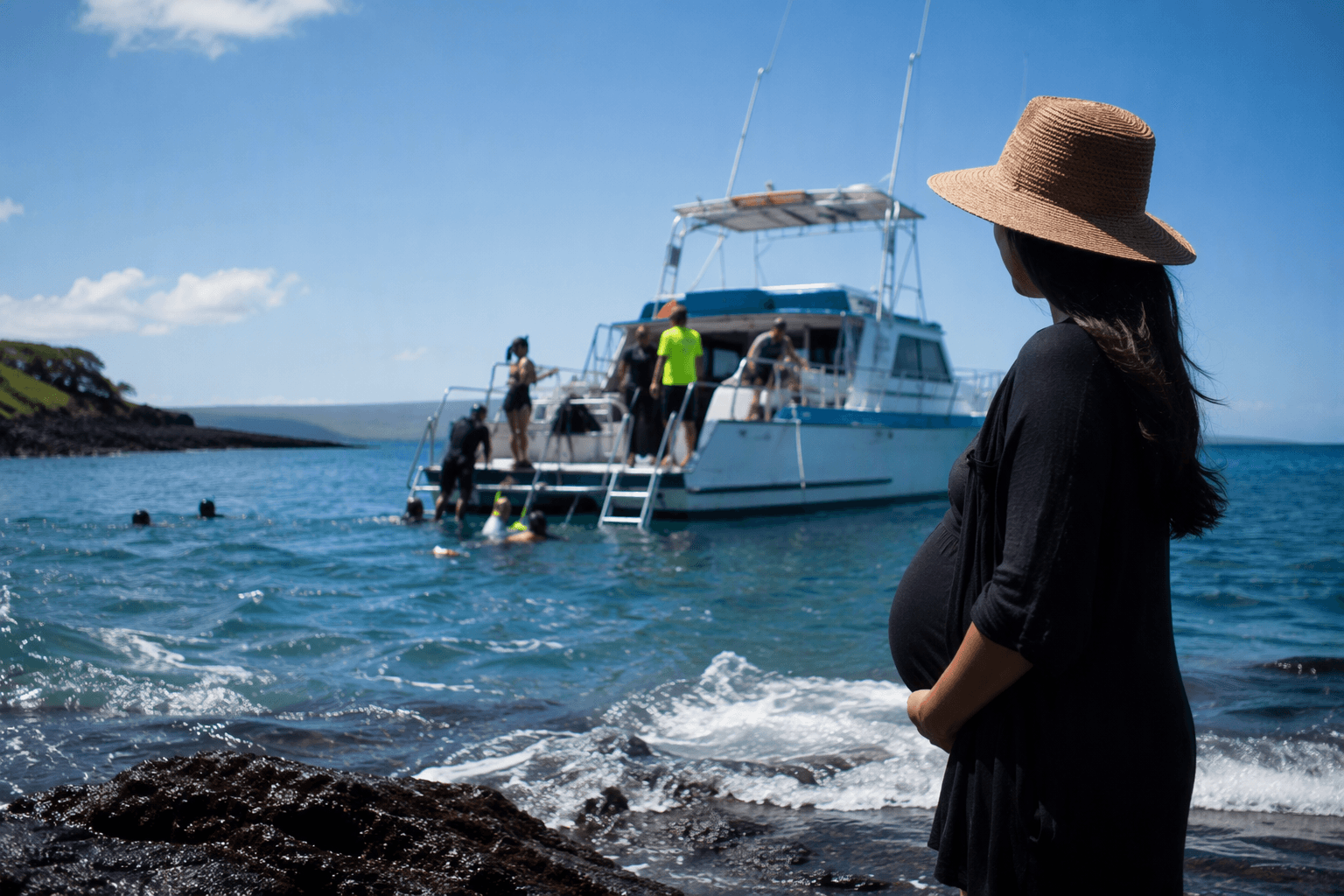
The postcard view at Kealakekua Bay is not the question here. The question is whether you want to commit to a Captain Cook snorkel when Kona Snorkel Trips has already drawn a hard line: pregnant guests are not permitted on the excursion. That makes this less of a scenic outing decision and more of a go/no-go call built around policy, medical guidance, and how the boat trip actually works.
The policy sets the tone before you book
Kona Snorkel Trips published its pregnancy-safety guide on August 3, and the lead message is blunt: “If you’re pregnant and searching for a Captain Cook snorkel tour, start with the operator’s policy, not the postcard views.” That framing matters because Captain Cook tours are among the best-known snorkel outings in Kona, and Kealakekua Bay is one of the Big Island of Hawaii’s most sought-after marine destinations.
In plain terms, this is not a trip where you can assume the operator will sort out the details after you show up. The current rule from Kona Snorkel Trips is that pregnant guests do not take part in its Captain Cook excursion to Kealakekua Bay. If you are planning around a pregnancy, that policy becomes the first filter, not the last one.
Why the safety side is broader than one company’s rule
Hawaii Ocean Safety gives the backdrop for why an operator might set that standard. Its snorkeling safety guidance says all snorkelers should be experienced at swimming in the ocean, and its safety pages describe ocean activities as strenuous. The agency also says health, preexisting medical conditions, fitness level, and familiarity with the ocean environment all affect safe participation.
That advice is useful because it pushes the decision out of the marketing lane and into the real world. A snorkel trip is not just “getting in the water.” It means handling the boat, the entry, the surface conditions, and the return, while paying attention to how your body feels on the day. Hawaii Ocean Safety’s older guidance, published on December 20, 2018, put it simply: “Before you go in the water, be aware of your health limits and current fitness level.” Its planning guidance published on November 27, 2024, added that if you are planning to swim or snorkel, there are many things you can do before going to the beach.
That is exactly why pregnancy changes the equation. A pregnant traveler is not just comparing destinations, but stressors: time on the boat, time in the sun, the effort of re-entry, and how much uncertainty the ocean adds to the day.
The booking clue in the marketplace
The caution does not stop with one operator. A Tripadvisor listing for a small-group snorkel at Kealakekua Bay says the activity is “Not recommended for pregnant travelers,” and it also flags no heart problems or other serious medical conditions and a moderate physical fitness level.
That kind of note is worth paying attention to because it shows pregnancy restrictions are not an isolated quirk of one company’s waiver language. They show up in the booking ecosystem around Kealakekua Bay itself. When a destination’s best-known snorkel outing and the third-party listing both point in the same direction, the practical takeaway is hard to miss: this is a trip that can be a poor fit for pregnancy even before you get to the dock.
How to use the rule as a real go/no-go test
If you are trying to decide whether the Captain Cook trip is practical, test the operator’s policy against your own medical advice and the mechanics of the outing. That means asking direct questions before you put down money or drive to the harbor.
- How long is the boat ride to Kealakekua Bay, and how much of the day is spent underway versus in the water?
- What does re-entry look like, especially if the boat uses a ladder or requires steady footing in swell?
- How exposed is the site to swell and chop on the day you are going?
- How much heat and sun load should you expect while waiting, boarding, or snorkel-side?
- Is there real rest or shade on board, or are you mostly exposed once the trip starts?
Those are not abstract concerns in Kona. They are the parts of the outing that turn a pretty bay into a practical decision. The right answer may be different depending on how far along the pregnancy is, what your OB/GYN says about swimming and exertion, and whether you are comfortable with boat-based access at all. Some visitors will decide the policy means stop. Others will look for a shoreline option, postpone the trip, or choose a calmer outing that gives them more control over the pace.
The useful part of Kona Snorkel Trips’ guide is that it strips away the fantasy version of Captain Cook and puts the decision back where it belongs: at the point where you commit to the boat, the entry, and the conditions. If the policy closes the door before you even reach the postcard view, that is the signal to treat Kealakekua Bay as a trip to revisit later, not a place to force into the schedule now.
This article was produced by Prism’s automated news system from verified source data, official records, and press releases, then run through automated quality and moderation checks before publishing. The system is built and supervised by the people who set the standards it runs under. Read our full AI policy.
Did this article answer your question?