Father and daughter use magnet fishing to clean waterways
A St. Augustine father-daughter pair traded snorkeling for magnets on rope, hauling metal debris from local waterways and showing why the hobby matters beyond the catch.

A St. Augustine father and daughter have been pulling metal debris out of local waterways with magnets tied to rope, after first snorkeling to make their catches. That kind of cleanup matters in a place where anglers cast, boaters pass through, and residents live with whatever gets left behind under the surface.
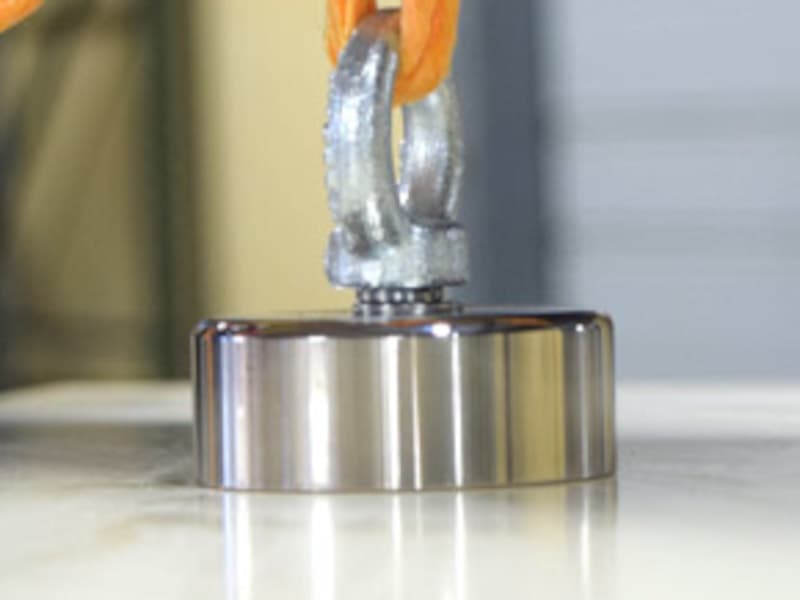
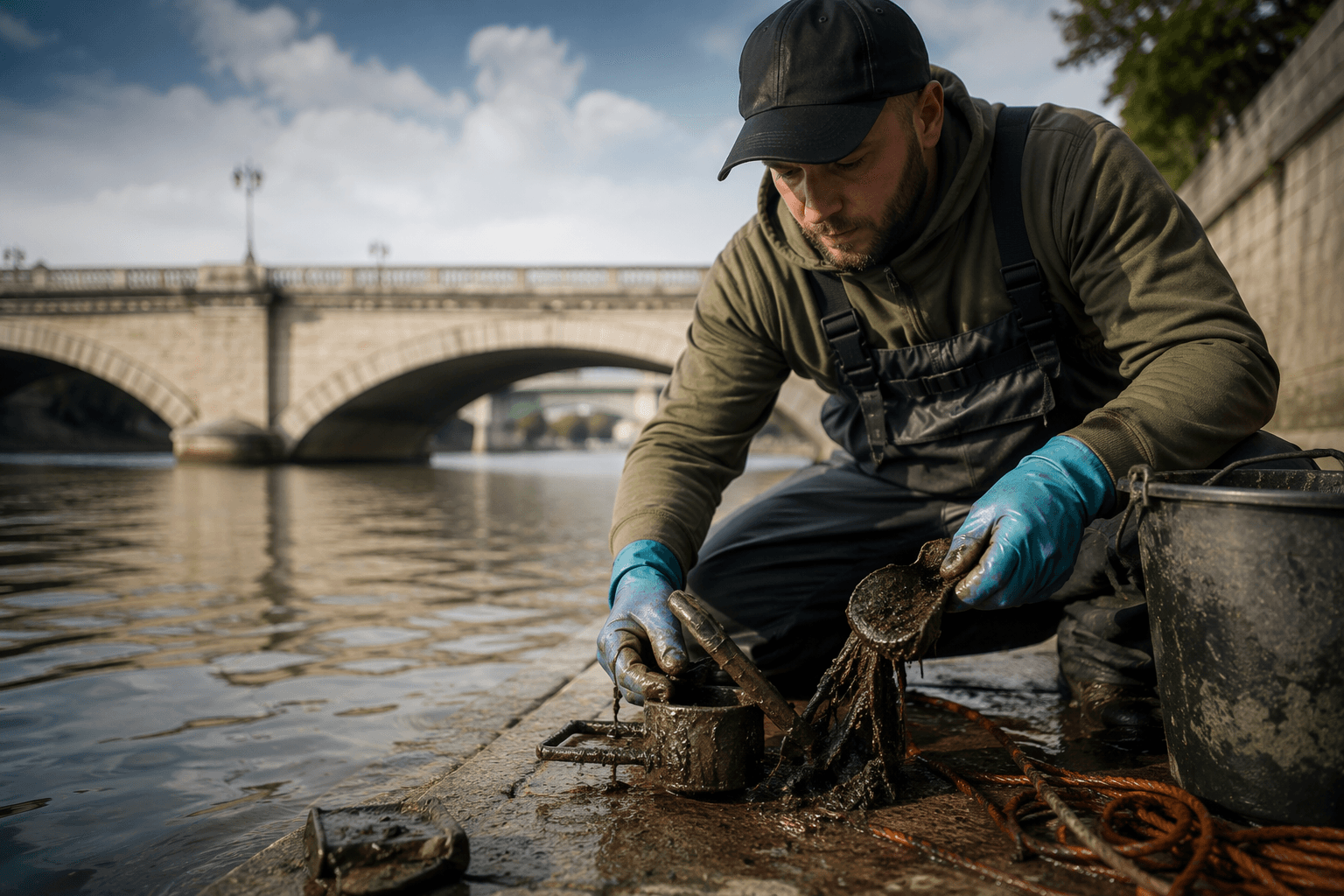
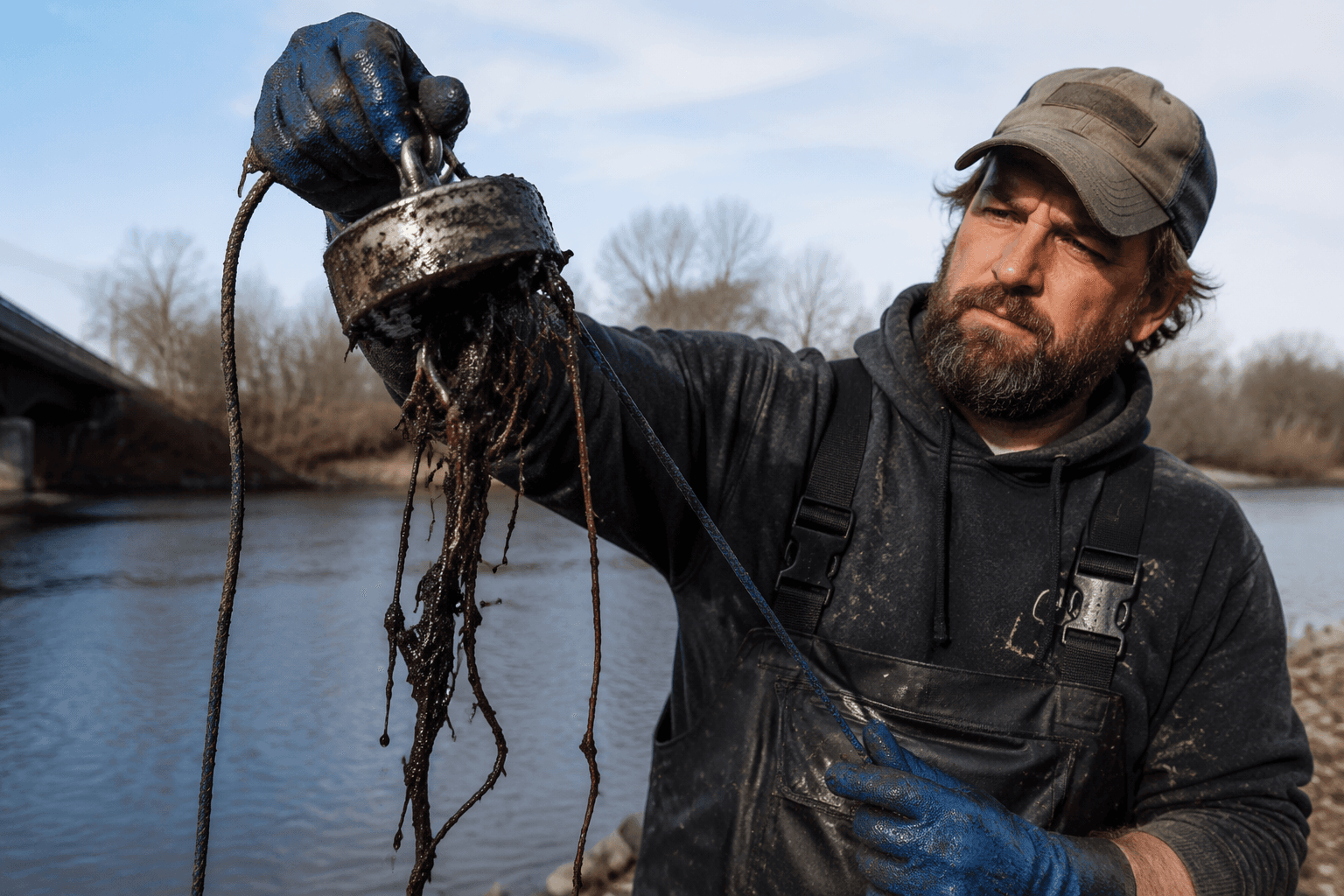
The setup is as basic as the hobby gets: a strong magnet lowered into the water on a rope, then dragged back to snag metal hidden below. In the Action News Jax segment, the pair’s shift from snorkeling to magnet fishing turned a simple outing into a more efficient cleanup method, one pull at a time.
That mix of family time and public benefit is a big part of why magnet fishing keeps showing up in local coverage. NPR noted in 2022 that the hobby spiked during the coronavirus pandemic, and a 2024 peer-reviewed study in Hydrobiologia used magnet fishers’ catches to track abandoned, lost or discarded fishing gear. In other words, this is not just about pulling up odd junk for a social media clip. It can also help map what is sitting in the water in the first place.

The safety line, though, is real. Magnet fishing can bring up ammunition, weaponry, grenades, or unexploded ordnance, and that changes the job fast. Canada’s Department of National Defence has a magnet fishing and UXO safety page, Historic Environment Scotland warns against magnet fishing on scheduled monuments and canals, and U.S. Army Garrison Fort Knox prohibited the activity on the installation in a Jan. 31, 2025 memo. BBC coverage of magnet fishers defending the hobby after safety fears shows how often the cleanup angle runs headfirst into the hazard side of the sport.
For families trying it, the responsible version is the one that respects those limits. Stick to places where the land manager allows it, keep clear of protected sites and military property, and treat anything that looks like ordnance as a call-for-help moment, not a souvenir. The father-daughter routine in St. Augustine works because it starts with a magnet, a rope, and a shoreline that needs less scrap in it, and it only stays worthwhile when the dangerous stuff stays where it belongs: out of your hands and in the hands of the authorities.
This article was produced by Prism’s automated news system from verified source data, official records, and press releases, then run through automated quality and moderation checks before publishing. The system is built and supervised by the people who set the standards it runs under. Read our full AI policy.
Did this article answer your question?