FishingBooker guide explains magnet fishing’s appeal and surprise finds
Cheap gear and big surprises make magnet fishing tempting, but the real first-trip lesson is knowing the rules and spotting danger fast.
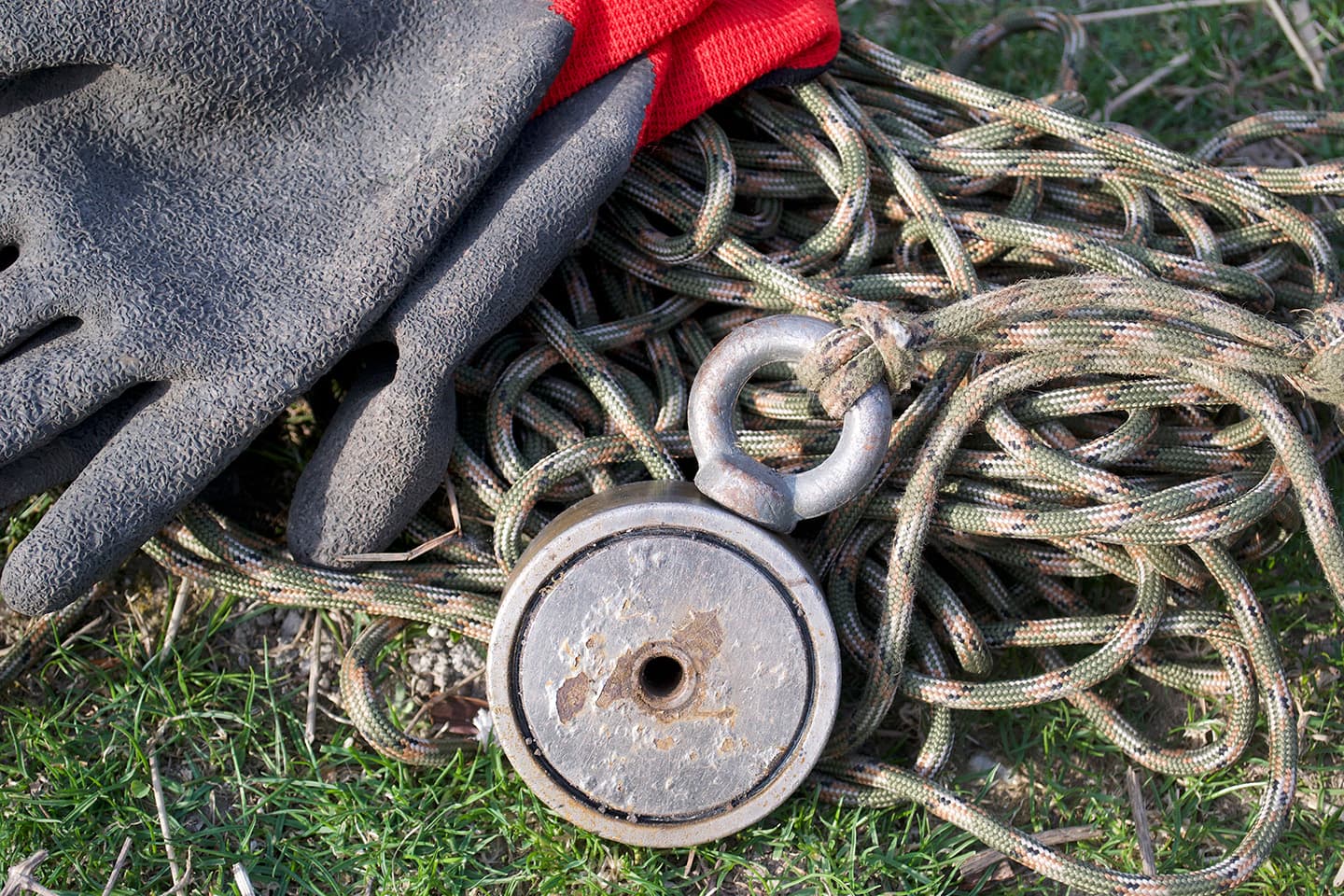
Magnet fishing sounds almost too simple to be a hobby: tie a rope to a magnet, toss it in the water, and see what comes back. That stripped-down setup is exactly why it keeps winning over anglers, tinkerers, and anyone who likes the idea of pulling the unknown out of a river or canal. FishingBooker’s guide gets the appeal right, but it also makes the important point beginners often miss: the fun starts with cleanup and curiosity, yet it only stays fun if you know what to bring, what to skip, and when to stop.
Why magnet fishing hooks people fast
The draw is a mix of treasure hunting and environmental cleanup. Every cast gives you a shot at something useful, something strange, or something that belongs in the trash instead of the waterway. That range is the whole game, because one pull can turn up nuts and bolts, and the next can snag signposts, bicycles, tools, old boots, safes, or guns.
That unpredictability is what makes the hobby feel fresh instead of repetitive. You are not chasing a fish that may or may not bite, and you are not spending a fortune to find out whether you like it. An entry-level magnet fishing kit can cost as little as $50, which puts it well inside the range of a casual tryout. For a lot of people, that is the difference between a one-off curiosity and a hobby you can actually test without thinking twice.
What you need for a first outing
If you are starting this year, keep the kit basic and practical. You need a magnet with enough strength to pull up real ferromagnetic junk, not just coins and tiny scraps, plus a rope that is secured properly and long enough for the bank or dock you plan to fish from. The setup sounds obvious until you see someone lose a magnet because the knot slipped or the rope was too short to control the drop.
A few things matter more than the flashy extras:
- A strong magnet that matches the kind of finds you actually want to lift
- A rope tied off securely, because a loose connection ruins the cast and can send gear to the bottom
- Gloves, since scrap metal, sharp edges, and muddy pulls can cut you up fast
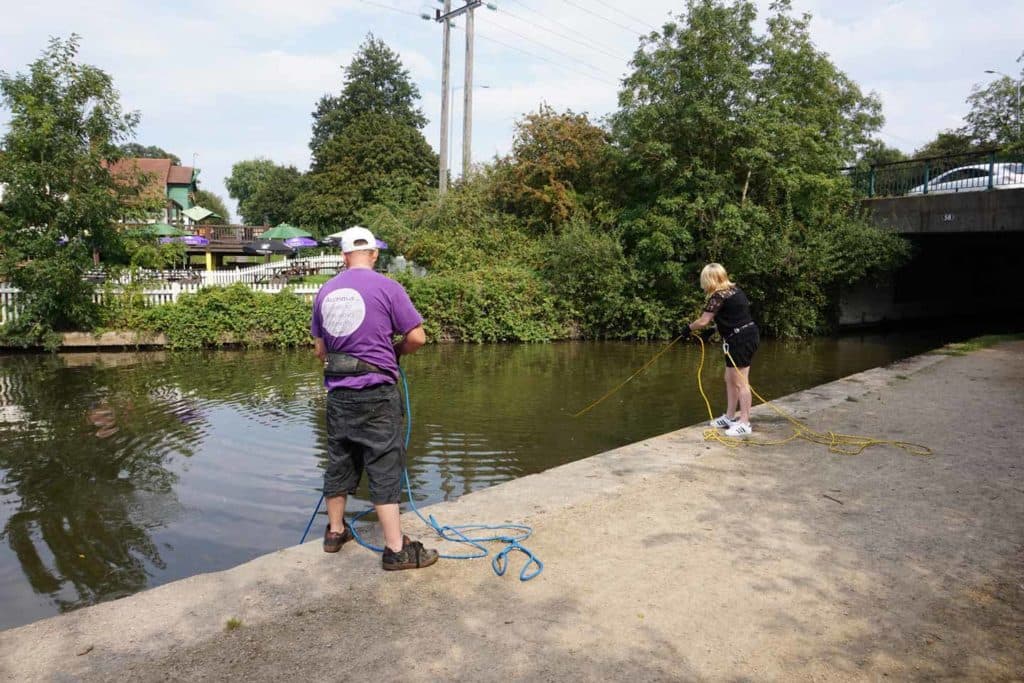
- A life jacket if you are anywhere near risky water, steep banks, or slippery edges
That last point is not overkill. The Broads Authority warns about trip hazards, accidental entry into the water, and the possibility of pulling up weapons or ordnance, and it specifically advises life jackets. A lot of generic how-to pieces gloss over that part because it is less exciting than the find itself. In practice, it is one of the first things you should think about before you ever throw the magnet.

The finds are the fun part, until they are not
The hobby’s surprise factor is real. You can haul up harmless debris, historic oddities, and items that force you to think carefully about what you have just disturbed. That is part of why magnet fishing has developed such a loyal following: you never quite know whether the next pull will be junk, a conversation piece, or a public-safety problem.
The line you do not cross is simple. If you find a modern weapon, do not try to keep it, clean it, or prove a point by dragging it home. Call the police. The same caution applies if something looks like a grenade, shell, or other ordnance. Police records in West Yorkshire and North Wales have included magnet-fishing incidents involving firearms, explosives, grenades, and suspected ordnance, which tells you how quickly a casual outing can become an emergency callout.
That is the part of magnet fishing most beginners underestimate. The hobby is friendly and accessible, but it is not toy-like. The magnet does not know the difference between a rusty horseshoe, a tool, and something that should be left alone until authorities arrive.
Know the local rules before you cast
This hobby lives or dies on permission and location. The National Park Service says magnet fishing is prohibited in at least some national park areas, including Cape Hatteras, because it can disturb natural, cultural, and archaeological resources and has been known to recover dangerous items such as bombs. That is a hard stop, not a gray area.
Elsewhere, waterway managers can be just as strict. Canal & River Trust does not permit magnet fishing on Trust land. Portsmouth’s 2024 policy says you should seek landowner permission before magnet fishing, and it warns that illegal excavations could amount to criminal damage or an offense under the Theft Act. It also says Scheduled Monuments are protected against unlicensed magnet fishing under the Ancient Monuments and Archaeological Areas Act 1979.
Historic England points to that same law as the main framework for heritage-crime enforcement. In plain English, that means your favorite cast spot matters as much as your magnet. A good-looking stretch of water can still be off limits, protected, or simply not worth the risk if you have not checked who controls it.
How to handle a sketchy or dangerous find
The safest habit is to slow down the moment something looks wrong. If the object is heavy, shaped like a weapon, caked in mud but clearly modern, or inconsistent with ordinary scrap, stop treating it like a trophy and start treating it like a hazard.
1. Stop hauling if the object looks suspicious.
2. Keep people away from the bank or edge.
3. Do not clean, cut, or dismantle the find.
4. Call the police if it appears to be a weapon, explosive, grenade, or ordnance.
5. Follow the instructions of the landowner or authority in charge of the waterway.
That protocol sounds cautious because it is. Magnet fishing is supposed to be a low-cost, low-barrier hobby, but the minute you pull up something unusual, judgment matters more than luck.
The smart way to start
If you are deciding whether magnet fishing is worth trying this year, the answer is yes, as long as you treat it like a real outdoor activity instead of a gimmick. FishingBooker’s guide captures the heart of it: the thrill of fishing without hurting fish, the satisfaction of removing junk from local waterways, and the possibility that every cast can surprise you. The beginner mistake is assuming the magnet is the hard part. It is not.
The hard part is everything around it, the right rope, the right gloves, the right safety gear, the right permission, and the discipline to walk away when a find crosses from curious to dangerous. That is what turns a cheap first trip into a good one, and it is what keeps the appeal intact when the water gives back something you did not expect.
This article was produced by Prism’s automated news system from verified source data, official records, and press releases, then run through automated quality and moderation checks before publishing. The system is built and supervised by the people who set the standards it runs under. Read our full AI policy.
Did this article answer your question?


