How to care for a magnet fishing magnet after each trip
A few minutes of rinse-and-dry work after every trip can keep a neodymium magnet strong, safe, and out of the rust pile.

A hard slam into concrete, a scrape on bridge steel, a dunk into salt water, then a damp ride home in the trunk can wear down a magnet fishing magnet long before it fails in one dramatic moment. Neodymium gives you the pull that makes this hobby work, but it is also brittle, and that means the after-trip routine is part of the gear, not an optional chore.
Why the magnet starts losing ground
The enemy is impact. If you slam a magnet against concrete walls, metal edges, bridge foundations, rocks, or boulders, you can chip the surface and eventually damage the finish even when the magnet still works. That is why the goal is not a showroom-perfect block of metal. Small chips are normal and do not reduce strength. What you are trying to avoid is repeated abuse that turns a minor nick into a rough, corroded edge and a weaker, less reliable tool.
Neodymium magnets are built for force, not toughness. A magnet that can haul scrap off a canal bed can still be vulnerable to the kind of knocks that happen during a rushed retrieval, a bad swing, or a careless drop onto hard ground. The first sign of trouble is often cosmetic, not functional: a scuffed coating, a chipped corner, a dull patch where the finish has taken a beating. Leave that alone long enough, and the problem moves from appearance to performance.
The post-trip routine that actually protects pull strength
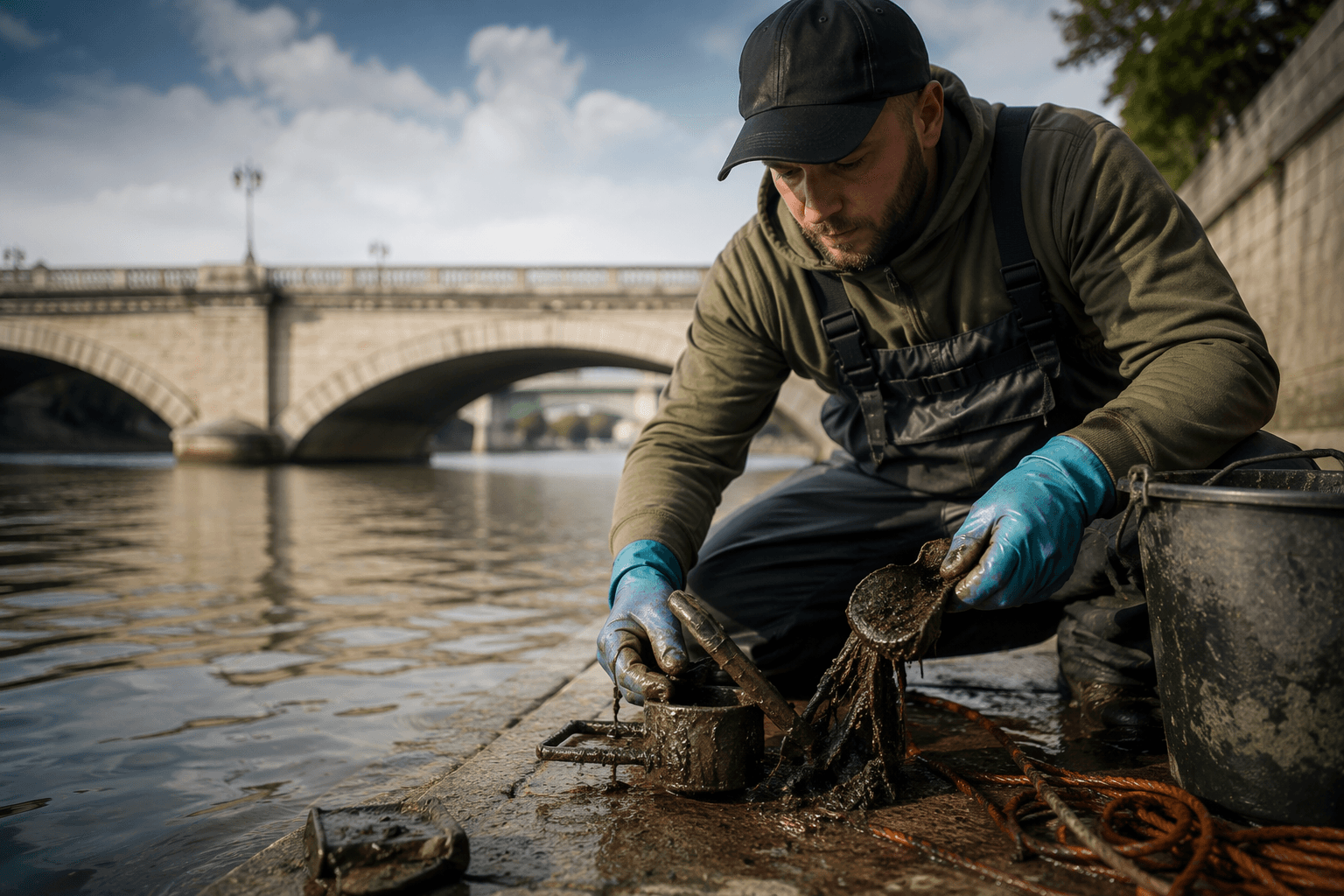
The easiest way to slow that damage is to treat every outing like a cleanup job. After a session, Bondi’s routine is straightforward: rinse the magnet with fresh water, remove mud and debris, let it air-dry completely, and only then store it away. That sequence matters because wet grime holds onto moisture, and moisture is what gives corrosion a head start.
A simple checklist keeps it honest:
1. Rinse the magnet with fresh water as soon as you can.
2. Clear off mud, grit, and any trapped debris around the face and edges.
3. Let the magnet air-dry all the way through before it goes back in the bag or box.
4. Store it only when it is fully dry.
Saltwater trips deserve even more discipline. Residue from salt accelerates corrosion and can leave the magnet looking rough long before the hobby is over. After a day on the coast, a brackish river, or any water that tastes like trouble, fresh water is not a luxury.
Coatings and covers help, but they are not armor
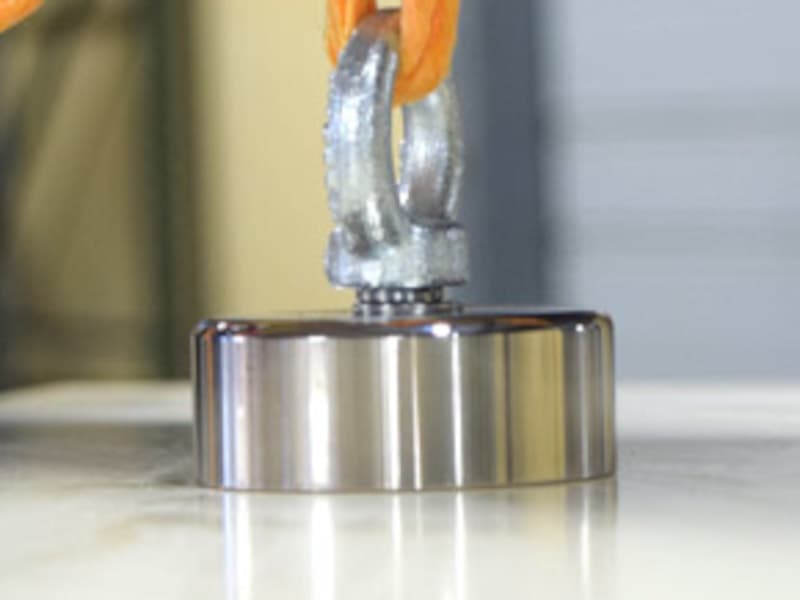
Neodymium is prone to corrosion, especially in humid or wet environments. That is why most magnet fishing magnets use nickel-copper-nickel plating or similar coatings. The coating is there to slow rust and protect the metal beneath, but it is not a force field.
Bondi’s fitted protective cover is useful for everyday wear, especially when you are working rough concrete, docks, or other hard edges. It adds a buffer and can save the face from some of the abuse that would otherwise hit the magnet directly. But even that cover cannot stop every chip. If you toss the magnet around loose in a bucket, let it bang against tools, or leave it wet after a salty session, the cover buys time, not immunity.
A dry magnet tucked away cleanly is far less likely to pick up the kind of surface damage that snowballs into rust. A wet one, packed with mud and forgotten until next weekend, is how you end up with flaking coating and a magnet that looks older than it is.
Care is part of safety, not just maintenance
This hobby has a blunt public-safety side that makes good magnet care more than housekeeping. The Canal & River Trust warns that items removed from canals can be dangerous without the appropriate support, and it does not permit magnet fishing on Trust land. Magnet fishers have pulled military ordnance, including grenades and suspected bombs, drawing police and bomb-squad responses.
A chipped, rusty, mud-caked magnet is harder to handle cleanly when you are standing on a bank with a scrap bucket and a rope under tension. Keeping the magnet in good order reduces the chance that you are handling damaged equipment carelessly around water, sharp scrap, or something far more serious than scrap.
The historical side of the hobby is just as real. In March 2024, a magnet fisher discovered a Viking sword later dated by experts to between 850 and 975. Heritage groups treat submerged metal as potentially significant, and some local authorities limit where you can fish. Portsmouth City Council’s 2024 policy, for example, generally does not permit magnet fishing on its land unless it is part of an approved research program.
A hobby under pressure from more than rust
Magnet fishing also grew fast enough during the coronavirus pandemic to turn into a wider pastime, and neodymium is now under pressure from other industries too. Electric vehicles and green technology are competing for the same supply. That makes a damaged magnet more expensive in a practical sense: you are not just wearing out a tool, you are wearing out a material that is getting pulled in more directions every year.
This article was produced by Prism’s automated news system from verified source data, official records, and press releases, then run through automated quality and moderation checks before publishing. The system is built and supervised by the people who set the standards it runs under. Read our full AI policy.
Did this article answer your question?