Route 66 magnet fishing trip takes an unexpected turn
Route 66 started as a hot streak, then one pull forced a stop-and-reassess moment that turned a routine haul into a safety call.
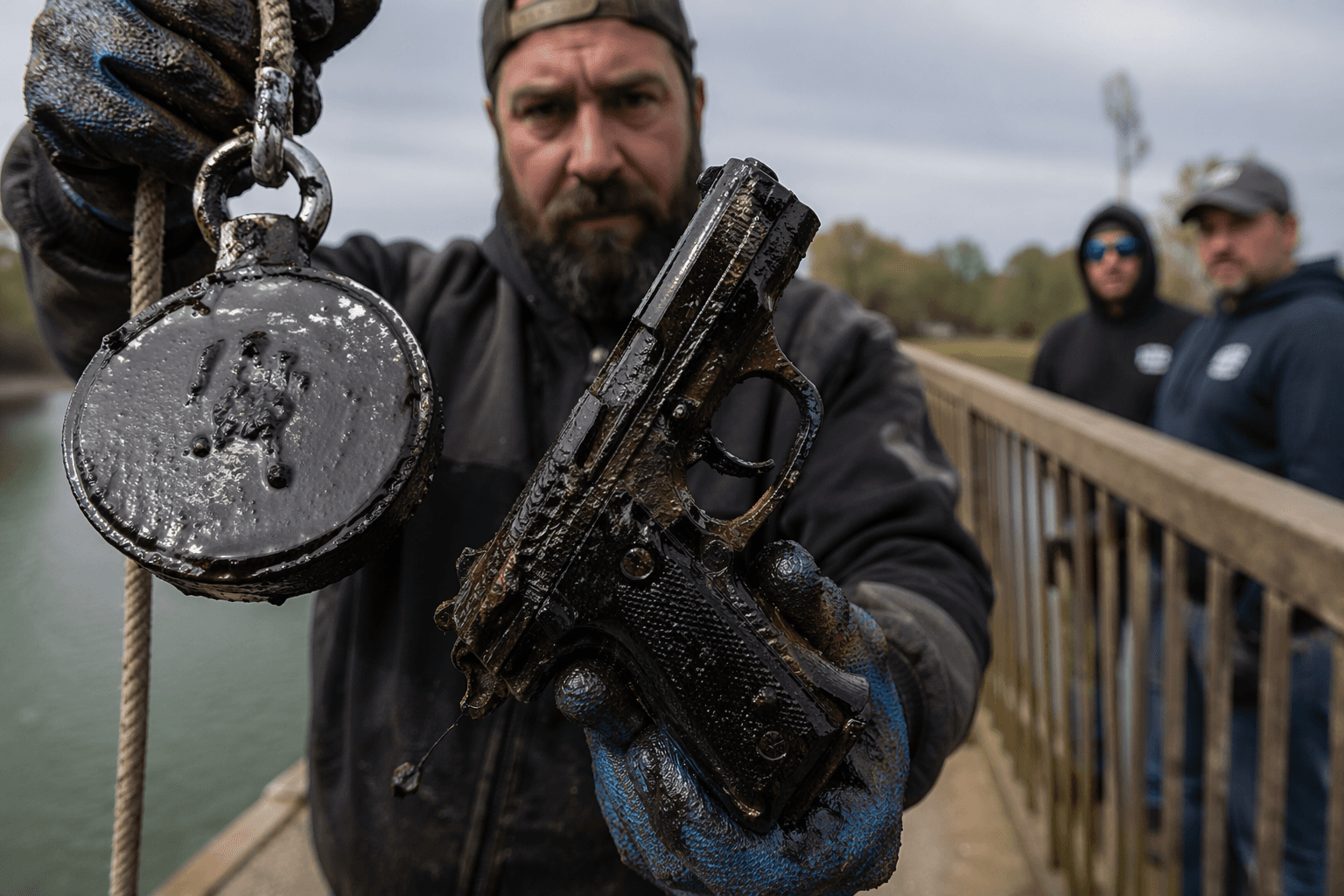
A Route 66 magnet-fishing run started better than expected, with the finds coming fast and the mood staying high. Then one pull changed the whole session, forcing the crew to stop and reassess what had come up from the roadside water.
That shift is what made the outing stand out. Early scrap and small metal pieces can make a magnet-fishing trip feel like a steady win, but the moment something unexpected surfaces, the work stops being about volume and starts being about judgment. On a stretch of Route 66, that matters even more. The road itself carries enough cultural weight that even a muddy recovery can feel cinematic, but the real story is how quickly a casual cleanup can turn into a question about safety, disposal, and whether the find belongs in a bucket at all.

The hobby’s appeal has always lived in that contrast. Most casts bring back the usual mix of junk, hardware, and odds and ends. Then one object changes the tone of the day. Canada’s Department of National Defence has warned that people magnet fishing have found knives, firearms, sharp metal, and even unexploded explosive ordnance in waterways, which is a sharp reminder that a tempting pull can become a hazard in seconds.
That risk is part of the legal side of the sport too. In federal spaces, magnet fishing can run into access rules, equipment restrictions, and conservation enforcement. Legal explainers note that walking into a national park with a strong neodymium magnet on a rope can mean carrying prohibited equipment, and federal property can bring even tighter scrutiny. Fort Stewart in Georgia has already shown how quickly magnet-detecting activity can cross into enforcement territory when a restricted area or permit issue is involved.
That is why the Route 66 clip works so well. It does not sell magnet fishing as a clean sweep or a guaranteed relic hunt. It shows the better kind of session, the one where the pulls keep coming, and then proves how fast the day can tilt when something on the end of the line no longer looks like simple roadside scrap.
This article was produced by Prism’s automated news system from verified source data, official records, and press releases, then run through automated quality and moderation checks before publishing. The system is built and supervised by the people who set the standards it runs under. Read our full AI policy.
Did this article answer your question?


