Cybersecurity expert urges Mexico to adopt Meshtastic before unrest hits
A cybersecurity expert’s warning about Iran’s blackout pushed Meshtastic into Mexico’s preparedness conversation, with 465 people already in the local Telegram group.

A cybersecurity expert known as three_cube pressed Mexicans to get Meshtastic radios in place before unrest strains conventional networks, and the warning landed with unusual force. The post, along with a Spanish version, drew more than 900 likes and 80-plus reposts, a sign that resilient communications is moving from hobby talk to practical planning.
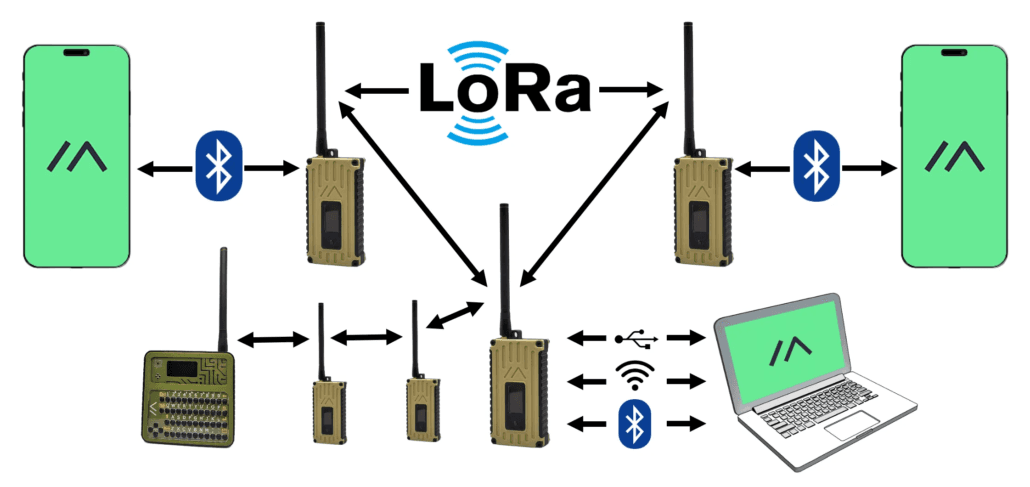
Meshtastic is built for exactly the kind of failure mode that worries preparedness-minded users. It is an open-source, decentralized mesh network that runs on affordable, low-power devices and can operate without cell towers, Wi-Fi or the internet. Its project documentation says the radios automatically form a mesh and relay packets for one another, so a message can hop across a group even when one node cannot reach the sender directly.
For Mexico, the technical fit is clear. Meshtastic’s region-by-country guide lists Mexico under the US LoRa region, and Mexican telecom rules cover spread-spectrum equipment in the 902-928 MHz band. The Instituto Federal de Telecomunicaciones points to that spectrum in IFT-008-2015, while NOM-208-SCFI-2016 says equipment intended for import, sale or distribution in Mexico must comply with IFT-008-2015 or its latest substitute. In practice, that means a basic resilient setup starts with radios configured for the right regional profile, then placed where they can hear and relay each other before any outage or disruption arrives.
The argument for that setup became easier to understand after early-2026 reporting from Iran described a nationwide communications blackout that began on January 8 during unrest. Social media and internet access were heavily disrupted in cities including Tehran, Isfahan, Shiraz, Kermanshah, Lordegan and Abdanan, underscoring why local text networks are attracting attention as a backup layer when normal infrastructure goes dark. Meshtastic is not a replacement for the internet, phone service or emergency responders, but it can keep neighborhood messages moving when those systems fail.
The Mexico community is already forming around that idea. Meshtastic Mexico’s Telegram group had 465 members when indexed, while the broader Discord community showed about 49,343 members and 7,081 online. MeshMap listed about 10,058 nodes seen by the official MQTT server, proof that the network is no longer a theory. For Mexican users, the next step is simple: build coverage before the crisis, not after it.
This article was produced by Prism’s automated news system from verified source data, official records, and press releases, then run through automated quality and moderation checks before publishing. The system is built and supervised by the people who set the standards it runs under. Read our full AI policy.
Did this article answer your question?