Meshtastic sniffer tool uses HackRF to monitor hundreds of channels at once
Cemaxecuter’s HackRF sniffer watched hundreds of U.S. Meshtastic channels at once, turning wideband SDR into a fast way to spot congestion and deployment mistakes.
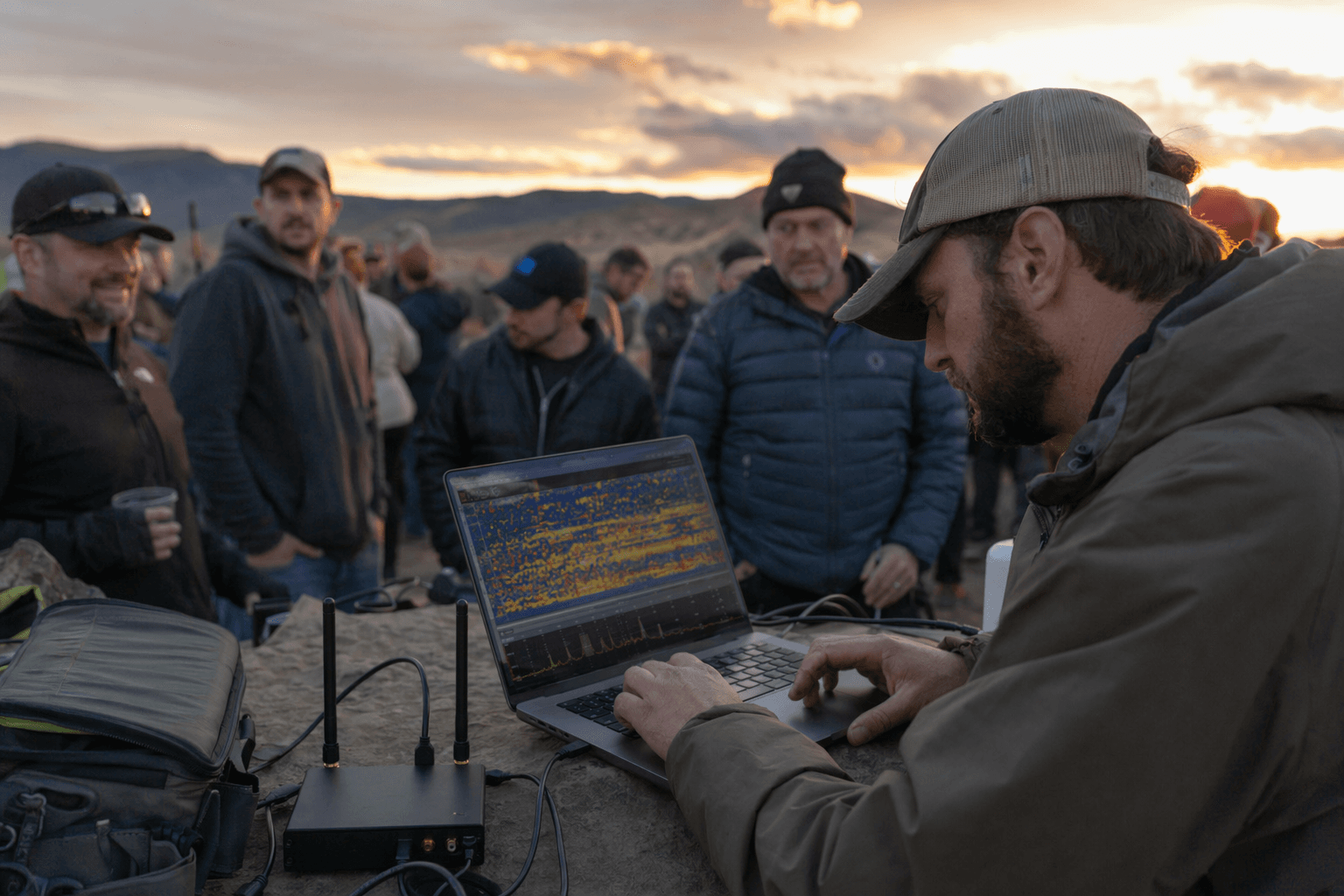
A new Meshtastic sniffer from SDR specialist cemaxecuter pushed well past the one-channel-at-a-time limits of ordinary radios, using a HackRF to watch hundreds of U.S. channels simultaneously and capture traffic in real time across a wide slice of spectrum. For builders who have ever wondered whether a mesh is actually behaving the way the map says it is, that matters. It gives you a way to see congestion, validate a rollout, and trace how packets move through a busy network without waiting for a single node to complain.
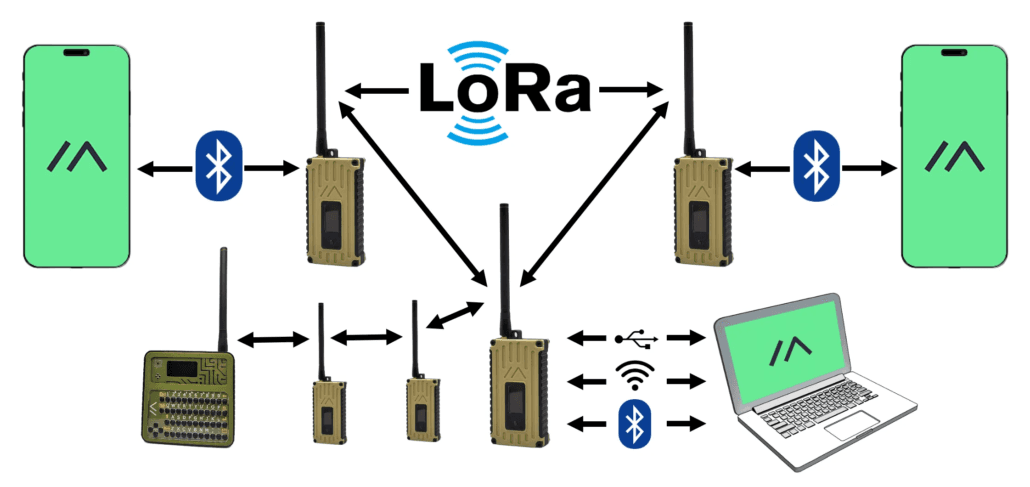
That kind of visibility lands in a project that has grown far beyond a niche experiment. Meshtastic describes itself as an open-source, off-grid, decentralized mesh network built on affordable, low-power devices, and its official site says the ecosystem now includes 100-plus community-supported devices, more than 1,800 code contributors worldwide, 26 LoRa regions, and 39 languages. The security model has also changed in a way that matters for anyone using these tools: up to firmware 2.4.x, Meshtastic relied entirely on pre-shared keys for all messaging, while firmware 2.5.0 introduced public-key cryptography for direct messages and session IDs for admin messages. Chat channels still use a pre-shared key.
The broader SDR work around Meshtastic makes the new sniffer look like part of a real line of development, not a one-off demo. Cemaxecuter had already published DragonOS Noble Receive and Decode Meshtastic w/ SDR and WarDragon Real-Time Decoding Meshtastic w/ GNU Radio & SDR, and community projects have been moving in the same direction. The Meshtastic_SDR project describes an SDR-based RX and TX stack that can decode all presets at once, with ports mapped from TCP 20000 through TCP 20007. Its notes also make the hardware tradeoff plain: HackRF or better is required for the 20 MHz US all-presets flow, while conventional radios can only listen to one preset at a time.
That is why the sniffer has real diagnostic value for operators, but it also draws a hard line around privacy and legal use. Meshtastic traffic is often encrypted and used for off-grid communications, and SDRangel’s Meshtastic demodulator plugin describes decoding as experimental, says LoRa protocol details are not publicly made available, and recommends dedicated hardware for production-grade use. Wideband passive monitoring can help verify a deployment, troubleshoot interference, and understand air-time behavior on the 900 MHz ISM spectrum. It should stay on your own network, or one you are explicitly authorized to analyze, because the same visibility that helps debug a mesh can also cross straight into surveillance if it is pointed the wrong way.
This article was produced by Prism’s automated news system from verified source data, official records, and press releases, then run through automated quality and moderation checks before publishing. The system is built and supervised by the people who set the standards it runs under. Read our full AI policy.
Did this article answer your question?