How Meshtastic’s Protobuf design keeps radios and apps interoperable
Meshtastic’s protobuf layer lets one message shape travel across apps, radios, and tools, so upgrades stay compatible and third-party integrations keep working.
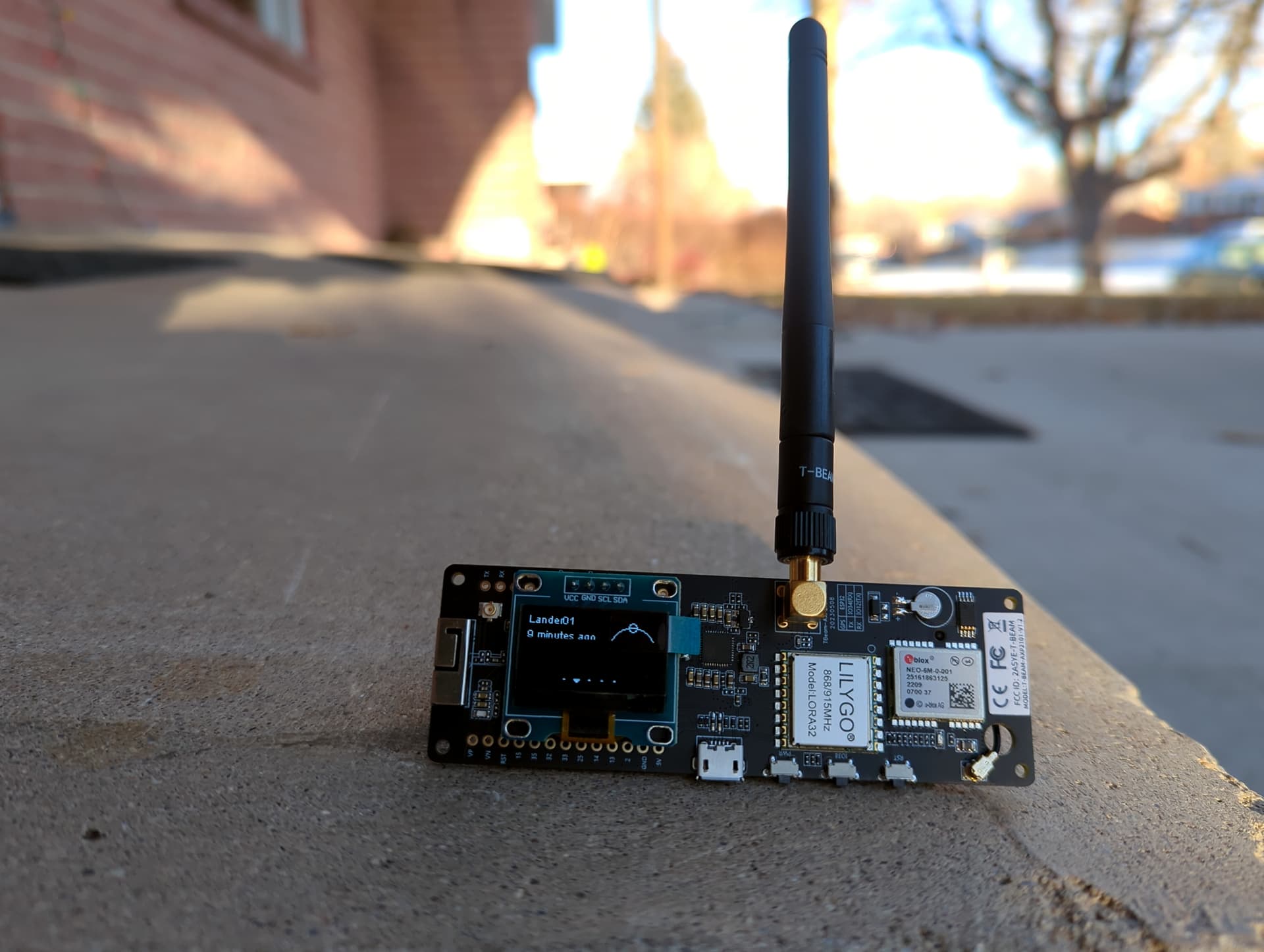
Flash a Meshtastic node, and your phone app can still understand the settings afterward because Meshtastic uses Google Protocol Buffers as the shared language between radios, apps, and scripts. That shared schema smooths upgrades, avoids broken integrations, and makes third-party tools easier to support.
Protobufs are the shared language
Protocol Buffers are a language-neutral, platform-neutral, extensible way to serialize structured data. Meshtastic is not one app talking to one board in one tidy setup. It is a mesh stack that has to move messages, settings, and telemetry across firmware, companion apps, and external tools without every platform inventing its own incompatible format.
In practice, Meshtastic uses protobufs in two places that matter most to you: app-to-device communication and device-to-device communication. That means the same basic schema can survive across Android, iOS, Desktop, and the firmware itself, instead of splitting into separate formats that only work inside one part of the ecosystem.
Why they fit a LoRa mesh
Meshtastic is built as an open source, off-grid, decentralized mesh network for affordable, low-power devices, with no cell towers and no internet required. A compact binary schema fits that environment. LoRa packets have limited payload space, and the nodes at the edge of the network are tiny embedded devices, not full computers with spare cycles to waste.
Meshtastic's HTTP API says there is “no need for JSON parsing on the resource constrained embedded server,” that protobufs are “small,” “already in use for all other transports,” and “backwards and forward compatible.” The format stays light enough for the radio link, and older and newer software can keep talking.
The same contract over serial, TCP, and BLE
The Device API carries a stream of ToRadio and FromRadio packets, and the meaning comes from the flexible Google Protocol Buffers sent over the wire. Meshtastic uses that structure over serial, TCP, and BLE, so the transport can change without forcing the message format to change with it. A BLE phone connection, a serial link to a board, and a TCP bridge can all speak the same underlying language.
That is why the ecosystem can support Android, iOS, Desktop, Python scripts, and community integrations without turning each one into a reverse-engineering project. Meshtastic’s Android, Desktop, and iOS app is built with a modular Kotlin Multiplatform architecture and clear layer boundaries, with shared interfaces first and platform differences second.
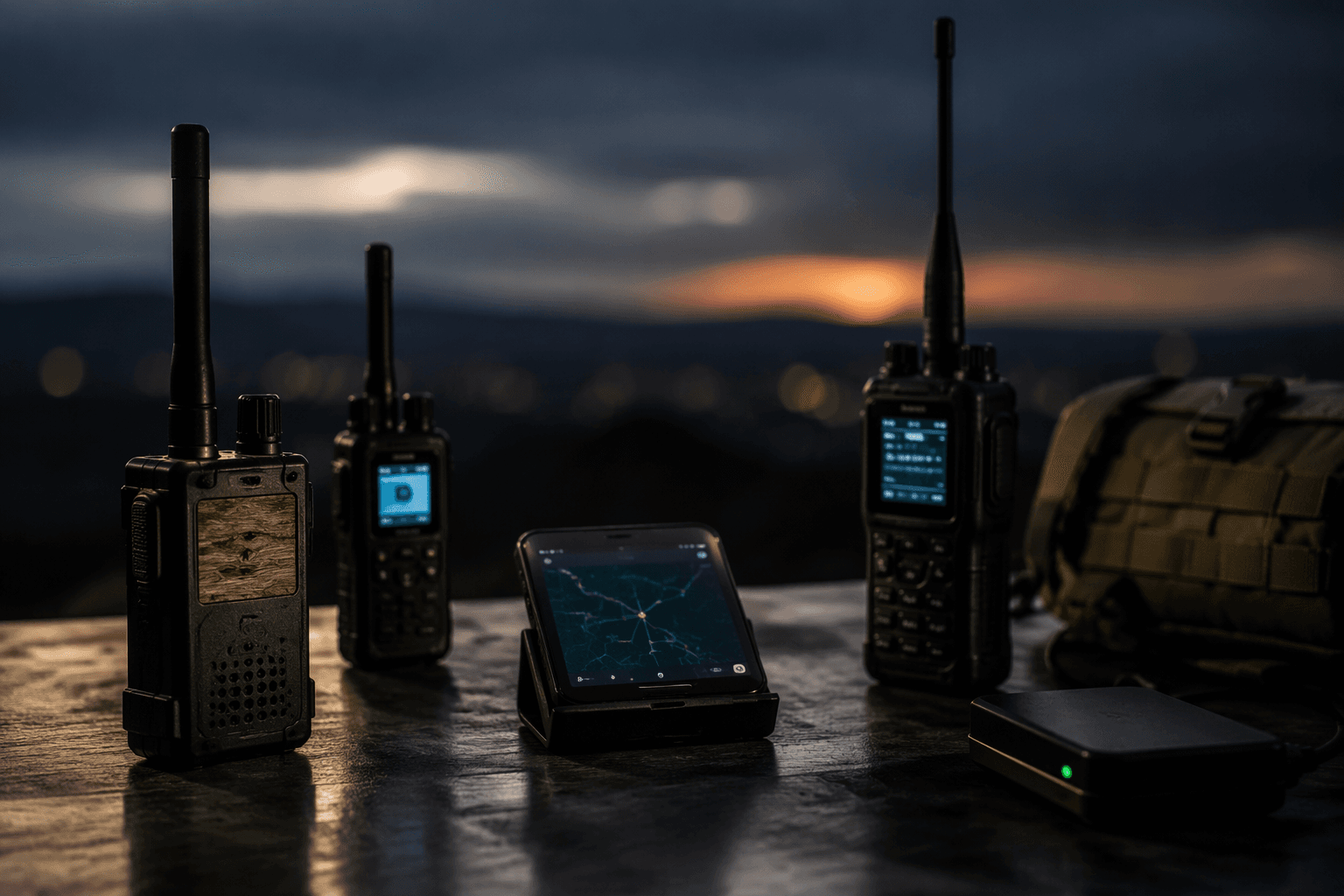
Configuration and telemetry stay extensible
Device config uses an admin message sending a `Config.Device` protobuf, which means everyday setup rides on the same extensible contract as messaging. That is how the project can add things like store-and-forward, serial module settings, and remote hardware control without creating a one-off configuration format for each feature.
Protobufs stay useful as the protocol grows. A new telemetry field, a new module setting, or a new message type can be added without forcing every existing app to break. People build dashboards, trackers, gateways, and automation tools around the same radios.
Meshtastic also gives you a human-friendly escape hatch. Packets sent over the network can be displayed as JSON in the CLI, which makes inspection easier when you are debugging a node or checking what a packet contained. JSON is a presentation layer there, not the actual on-air format. Underneath, protobufs keep the payload compact and consistent.
Reliability is part of the same design
The protocol itself is built for the realities of a lossy mesh. Meshtastic retransmits messages up to three times if a confirmation is not received after a timeout.
The routing side of the stack has evolved too. The current routing protocol was influenced by the RadioHead mesh routing algorithm used in early versions of the project. Meshtastic's 2.6 preview said the release had been 1.5 years in the making and included the first release of the new Meshtastic UI, plus a new routing algorithm for direct messages.
Meshtastic’s website lists 26 LoRa regions and 39 languages available.
This article was produced by Prism’s automated news system from verified source data, official records, and press releases, then run through automated quality and moderation checks before publishing. The system is built and supervised by the people who set the standards it runs under. Read our full AI policy.
Did this article answer your question?