MMRelay 1.3.7 bridges Meshtastic radios with Matrix chat rooms
MMRelay 1.3.7 ties Meshtastic meshes to Matrix rooms, but the bridge brings payload limits, relay-side encryption, and real moderation overhead.

MMRelay 1.3.7 finally gives Meshtastic a serious bridge into Matrix chat rooms. Released on May 3, the bidirectional relay was built for people who want off-grid LoRa traffic to land in the same self-hosted rooms, incident channels, and coordination threads they already use on the internet side.
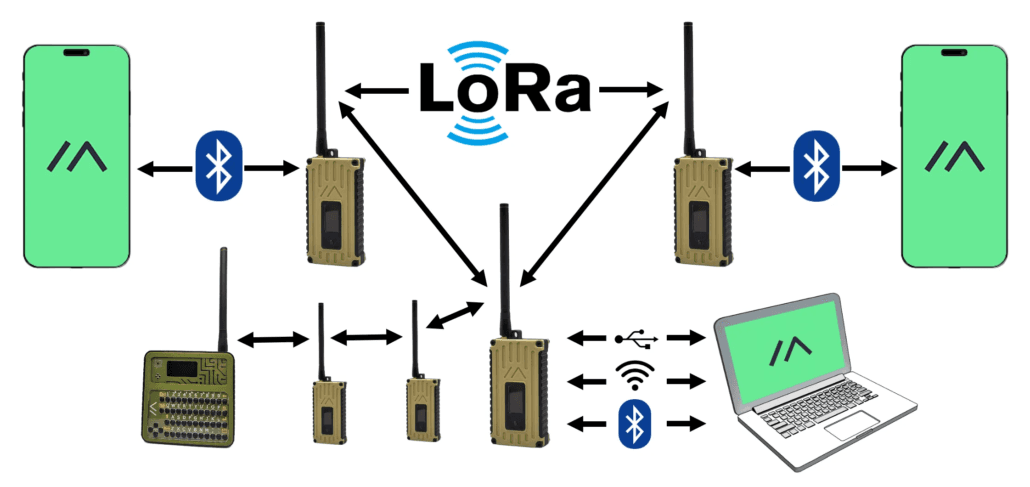
That matters because Meshtastic is not a toy network. It is an open-source, community-driven mesh that runs on inexpensive radios with no cell towers and no internet, and phones or computers can join a node over Bluetooth, Wi-Fi, or USB. MMRelay extends that world in a practical way: it can connect over serial, network, or BLE, and it is designed to talk to multiple meshnets instead of forcing everything through one flat channel.
For clubs and event crews, that changes workflow fast. A trail group, a ham club, or a field ops team can keep radio messages moving on-site while still feeding status into a Matrix room that a base station, organizer, or remote volunteer can watch. MMRelay’s YAML configuration lets operators map rooms and channels one to one, store node data in SQLite, and even forward to or from MQTT when the Meshtastic firmware is set up for that path. That lines up with Meshtastic gateway hardware already being used to bridge off-grid mesh networks to MQTT for real-time data exchange.
The tradeoffs are the part nobody should gloss over. MMRelay truncates long messages so they fit Meshtastic payload limits, which means the bridge is not an ideal place for long, messy coordination notes. It also decrypts and re-encrypts messages when they cross between Matrix and Meshtastic, so encrypted Matrix rooms are supported, but end-to-end protection does not survive the whole path. That leaves operators juggling moderation in two spaces, watching for duplication and relay lag, and deciding how much chat noise belongs on a low-bandwidth radio net.
The project’s GitHub history suggests that Jeremiah K is still sharpening the edges. The repository shows 181 stars, 19 forks, and more than 1,100 commits, with recent work on reply-ID-aware reaction relaying, message ID parsing, and a new default E2EE provider with compatibility layers. Native Docker support also makes the package feel aimed at operators who want something deployable, not just a proof of concept. MMRelay points to where Meshtastic is heading next: less isolated gadget, more living part of a wider communications stack.
This article was produced by Prism’s automated news system from verified source data, official records, and press releases, then run through automated quality and moderation checks before publishing. The system is built and supervised by the people who set the standards it runs under. Read our full AI policy.
Did this article answer your question?