Open-source Meshpoint base station brings 8-channel Meshtastic support
Meshpoint turns an SX1302 or SX1303 concentrator into an 8-channel Meshtastic base station, aimed at crowded gateways, event coverage, and relay sites.

Meshpoint has put an open-source Meshtastic base station on GitHub that is built around a Raspberry Pi 4 or CM4 and an SX1302 or SX1303 LoRa concentrator. The hardware can receive on eight channels at once, from SF7 through SF12, and it supports native transmit and receive plus a browser-based messaging interface.
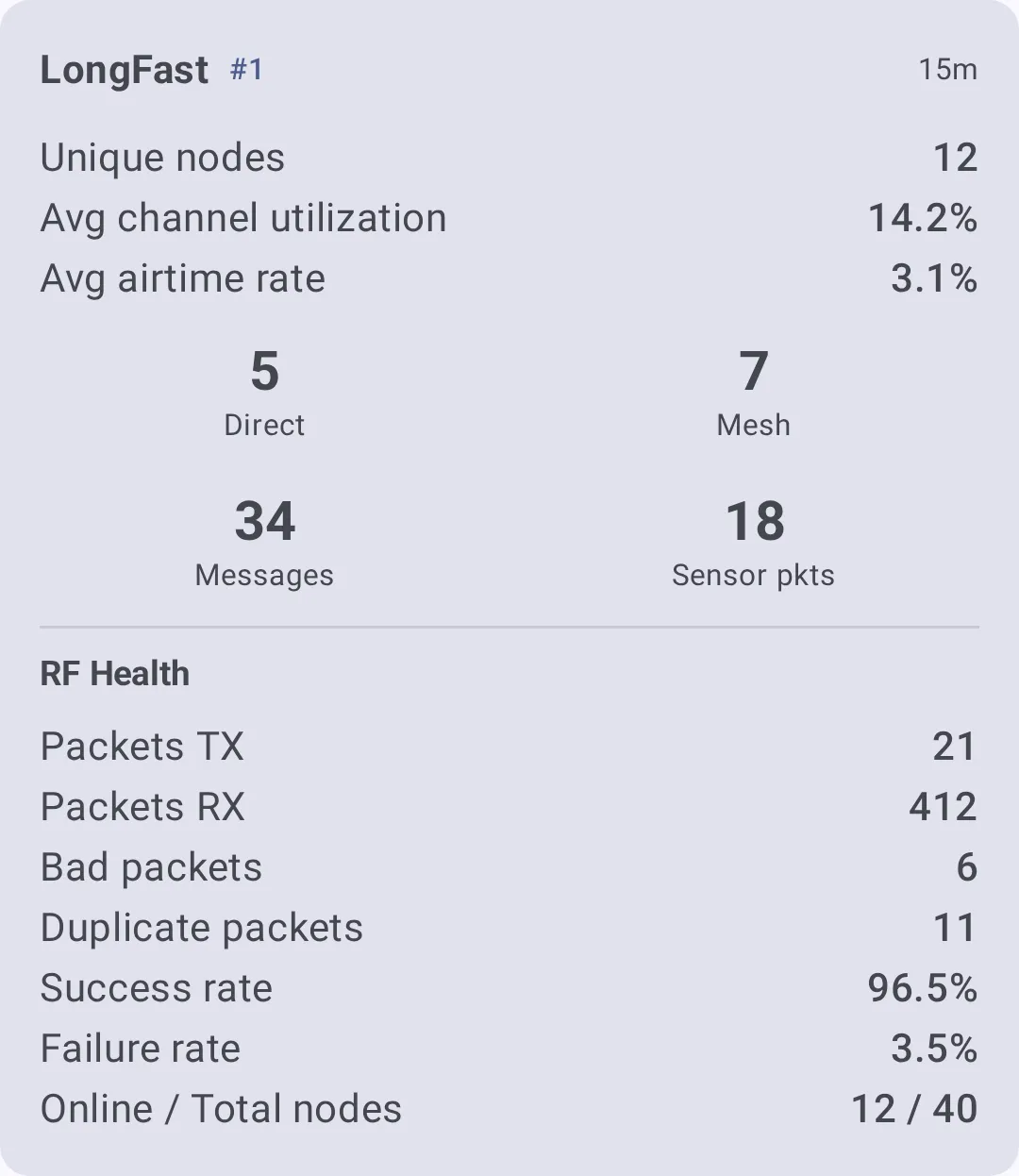
That matters because standard Meshtastic devices generally run single-channel radios such as the SX1262 and SX1276. In a busy mesh, that difference is not cosmetic. A single-radio node can only hear one slice of traffic at a time, while Meshpoint is designed to sit where the mesh is busiest, whether that is a community gateway, an event site with lots of nearby nodes, or a hilltop relay feeding a wider area. The repository says phones and nodes see it as a regular participant on the mesh, so it behaves like part of the network, not a separate bridge bolted on after the fact.
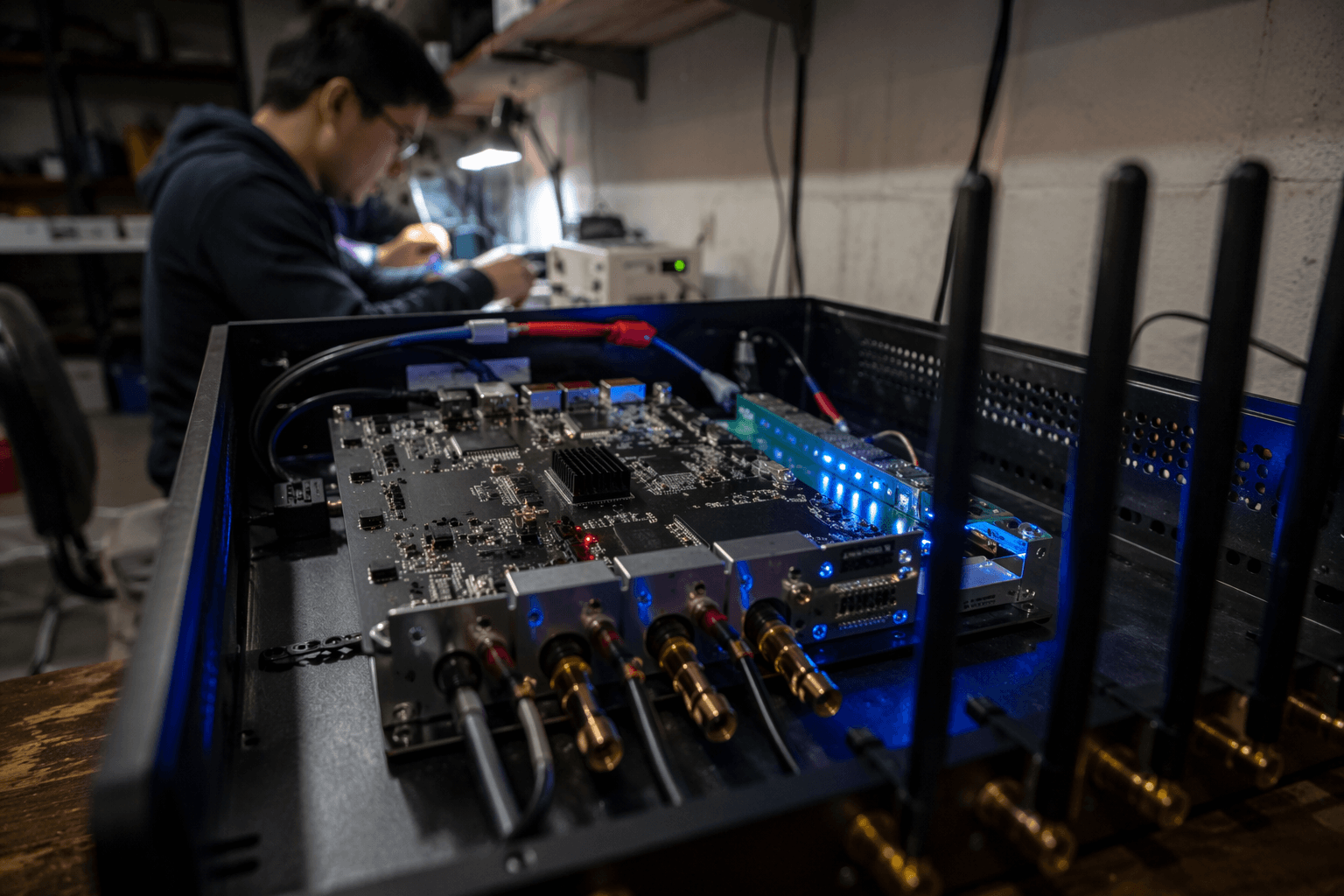
The broader feature set makes it look less like a novelty build and more like operator gear. A related submission describes Meshpoint as a full Meshtastic base station with SQLite storage, a command-line interface, a REST API, and an optional uplink to Meshradar for multi-site maps and fleet analytics. That is a much heavier toolbox than a typical handheld node, and it is the kind of stack that starts to make sense once a mesh has real traffic, multiple sites, and a need for logging and dashboards.
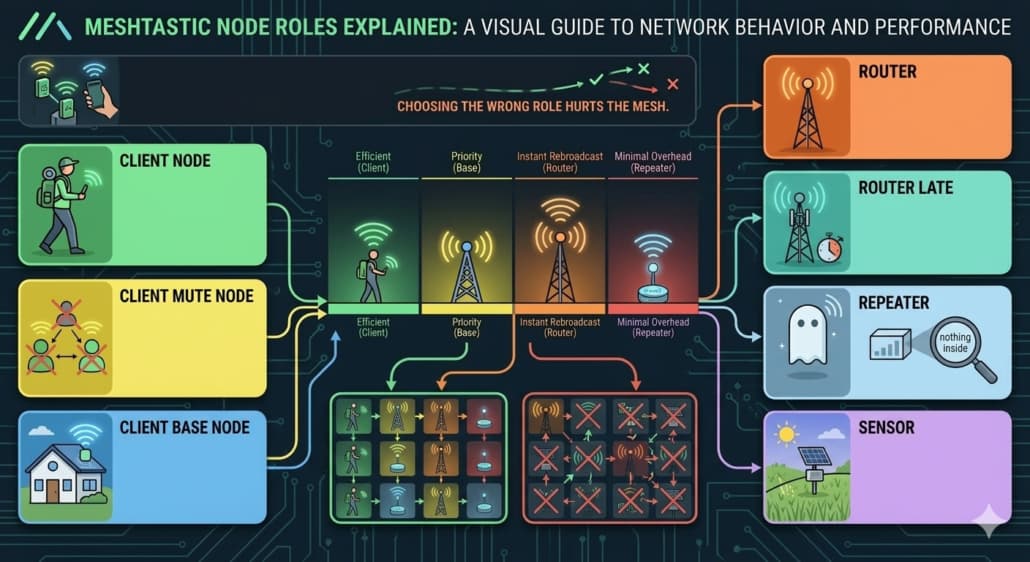
Meshpoint also carries the regional detail that can trip up a build before it ever reaches the air. It supports US915, EU868, ANZ915, IN865, KR920, and SG923 bands, which means the hardware still has to be matched to the right local configuration. Meshtastic’s own guidance recommends most users keep their role set to CLIENT, CLIENT_MUTE, or CLIENT_BASE unless they have a specific reason to do otherwise, a reminder that a capable base station still needs sane network settings to stay useful.
Meshtastic itself is built as an open-source, off-grid, decentralized mesh for affordable, low-power devices with no cell towers and no internet. Meshpoint does not change that core idea; it gives the mesh a far better listener, and in the places where traffic stacks up, that is exactly the upgrade a single-radio node cannot fake.
This article was produced by Prism’s automated news system from verified source data, official records, and press releases, then run through automated quality and moderation checks before publishing. The system is built and supervised by the people who set the standards it runs under. Read our full AI policy.
Did this article answer your question?