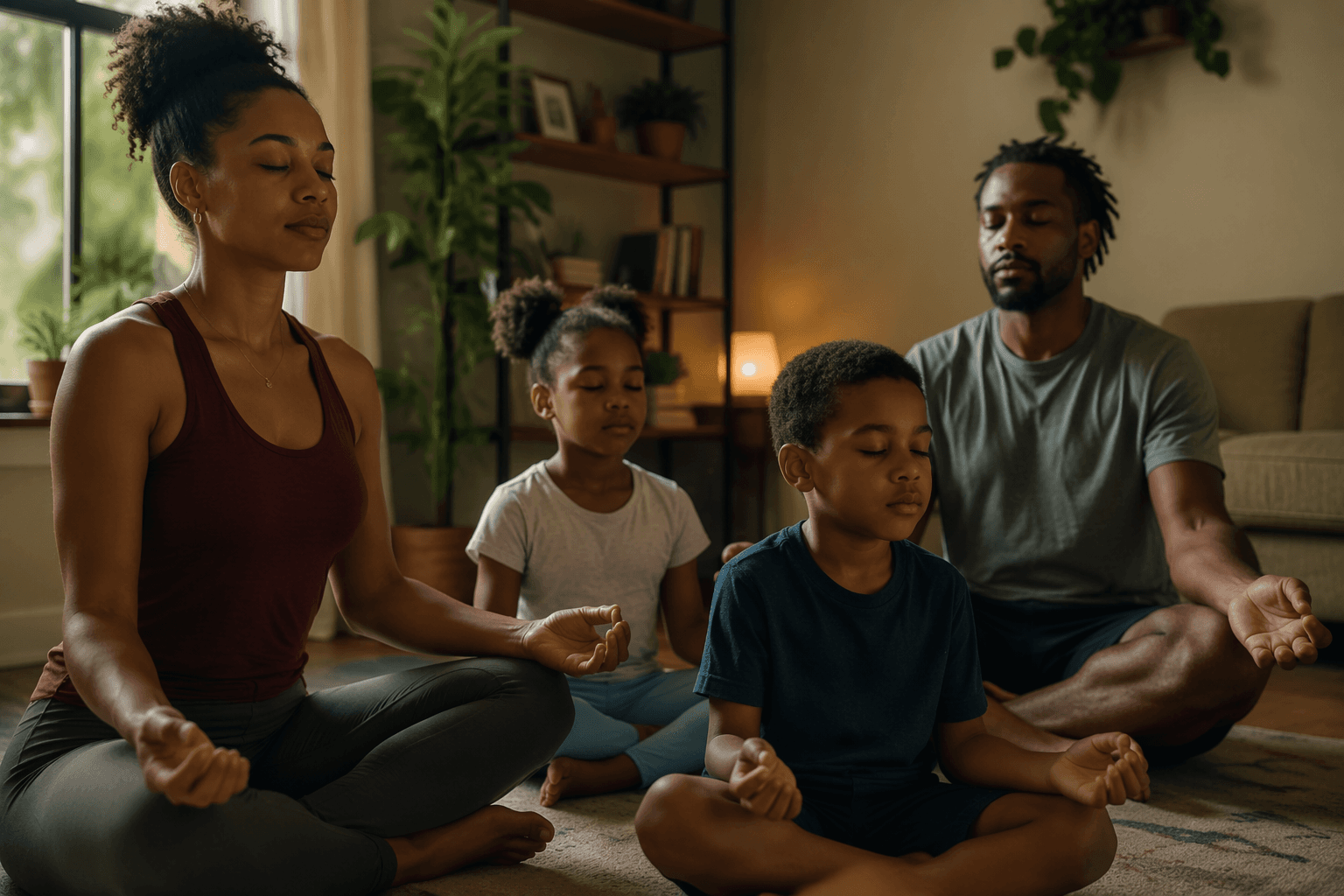
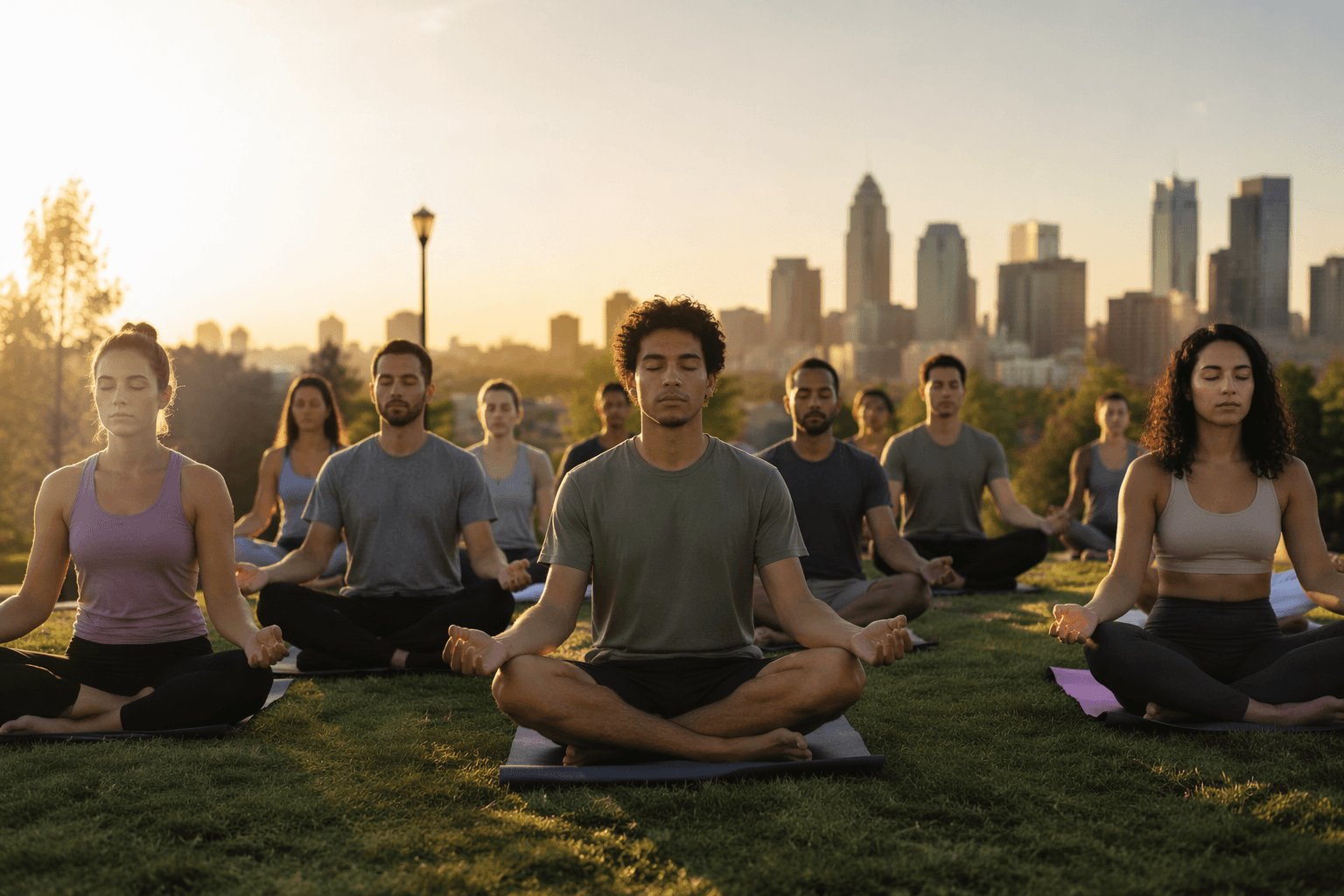
Active meditation helps restless minds find mindfulness through simple tasks
Restless minds do not have to win the fight with stillness. Walking, folding, painting, and other simple tasks can turn mindfulness into something easier to keep.

Water and pigment move in ways you cannot fully control, which is why watercolor can work as meditation for restless minds. Mindfulness does not have to mean sitting still with an empty mind and a perfect spine. For plenty of people, that is the fastest route to frustration, especially when a timer starts and the brain immediately begins shopping, rehearsing arguments, or checking out. Active meditation gives restless attention something small and absorbing to hold, so mindfulness starts to feel less like a test and more like a usable skill.
Why active meditation lands differently
The core idea is simple: keep your hands gently busy so your mind has a steady place to rest. Breathly includes watercolor painting, folding laundry, walking, gardening, and other tasks that are easy enough to follow without becoming another source of pressure. The task should be structured enough to narrow attention, but not so demanding that it turns into a project with its own stress.
The goal is not to force silence. It is to make room for a quieter kind of attention, the kind that often shows up in flow states when you are absorbed enough that mental chatter loosens its grip.
How the simple task does the work
Active meditation works best when the activity itself carries part of the burden. Watercolor is the clearest example. It helps pull attention away from perfectionism and toward the process in front of you. Instead of chasing a polished result, you stay with the brushstroke, the spread of color, the pause before the page changes.
That same logic carries into other ordinary tasks. Folding towels gives your hands a clear sequence. Walking gives your body rhythm and your attention a place to land. Gardening gives you repetition, texture, and immediate feedback, while still leaving enough mental room to notice your breath, your posture, and the feel of the work itself.
Which format fits which kind of mind
- Walking mindfulness fits people who think best in motion, or who cannot stand the idea of being told to sit still and "just breathe." The American Psychological Association describes mindful walking as a way to combine exercise and mindfulness for mental and physical well-being, and walking meditation is one of the practices included in Mindfulness-Based Stress Reduction.
- Sensory check-ins suit attention that gets hijacked easily but can still be redirected for 30 seconds at a time. A quick scan of temperature, texture, sound, or smell can create a reset without asking for a full meditation session.
- Mindful chores work well for people who dislike adding one more item to a crowded day. Folding, rinsing dishes, wiping a counter, or straightening a shelf already belongs to ordinary life, so the practice hides inside something you were going to do anyway.
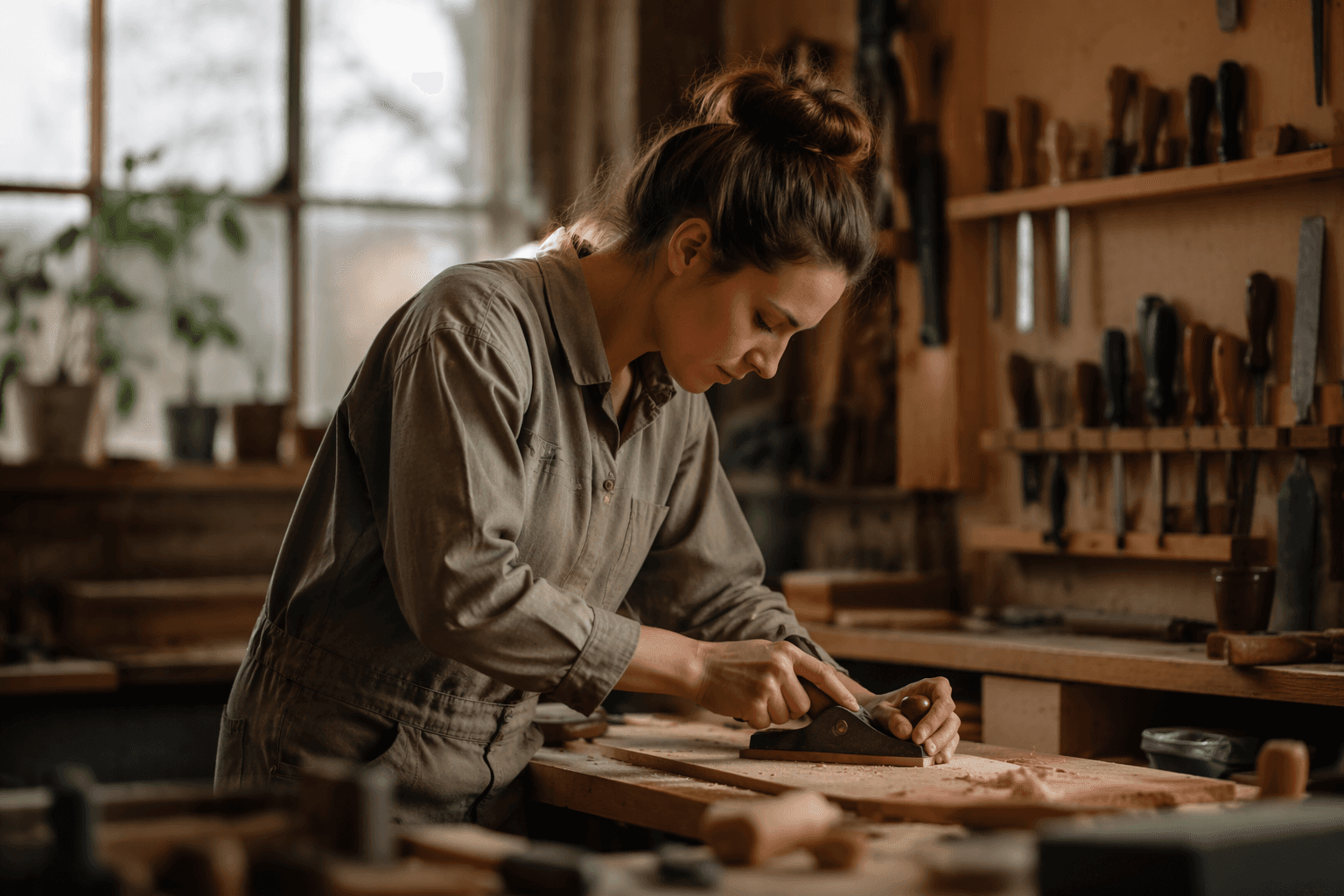
- Creative tasks like watercolor painting fit people who enjoy novelty, color, and just enough unpredictability to stay engaged. Because the medium does part of the work, it can be easier to stay present without getting trapped in the question of whether you are "doing it right."
- Brief resets are the best entry point for schedules that do not leave room for a cushion, a timer, and a long sit. A short walk around the block, a few deliberate folds, or one careful minute at the sink can be enough to interrupt the spiral.
The wider mindfulness field already points this way
Jon Kabat-Zinn developed Mindfulness-Based Stress Reduction at the University of Massachusetts Medical Center in 1979, building it out of the Stress Reduction Clinic he helped establish there. The Center for Mindfulness later grew at UMass, and the program spread far beyond Worcester, Massachusetts, as a mainstream entry point for mindfulness in medicine and daily life.
The American Psychological Association defines mindfulness as awareness of one’s internal states and surroundings, and notes its use in interventions such as mindfulness-based stress reduction and mindfulness-based cognitive behavior therapy. That definition leaves room for movement, not just stillness, which is why walking meditation and other active forms fit so naturally alongside the better-known seated practices. Greater Good in Action includes walking meditation among the mindfulness practices in MBSR.
U.S. adult meditation use rose from 7.5 percent in 2002 to 17.3 percent in 2022, the National Center for Complementary and Integrative Health reports. A 2020 review of 83 studies with 6,703 participants found 55 studies reporting at least one negative experience related to meditation, and NCCIH says about 8 percent of participants experienced a negative effect, most commonly anxiety and depression.
A practical way to start without making it a project
The easiest entry point is to choose one task you already do and give it one rule: stay with the sensation of the task for a little longer than usual. If you are walking, feel the ground under each step. If you are folding laundry, notice the fabric and the repetition. If you are painting or gardening, let the motion itself become the anchor instead of the outcome.
This article was produced by Prism’s automated news system from verified source data, official records, and press releases, then run through automated quality and moderation checks before publishing. The system is built and supervised by the people who set the standards it runs under. Read our full AI policy.
Did this article answer your question?