Jordana Reim’s Shabbat gatherings blend mindfulness, sound healing, belonging
Jordana Reim’s Shabbat circles use sound healing, ritual, and clear hospitality to make strangers feel they belong. About 40 people, 20% to 30% of them non-Jewish, show how mindfulness can work as communal regulation, not just solo calm.

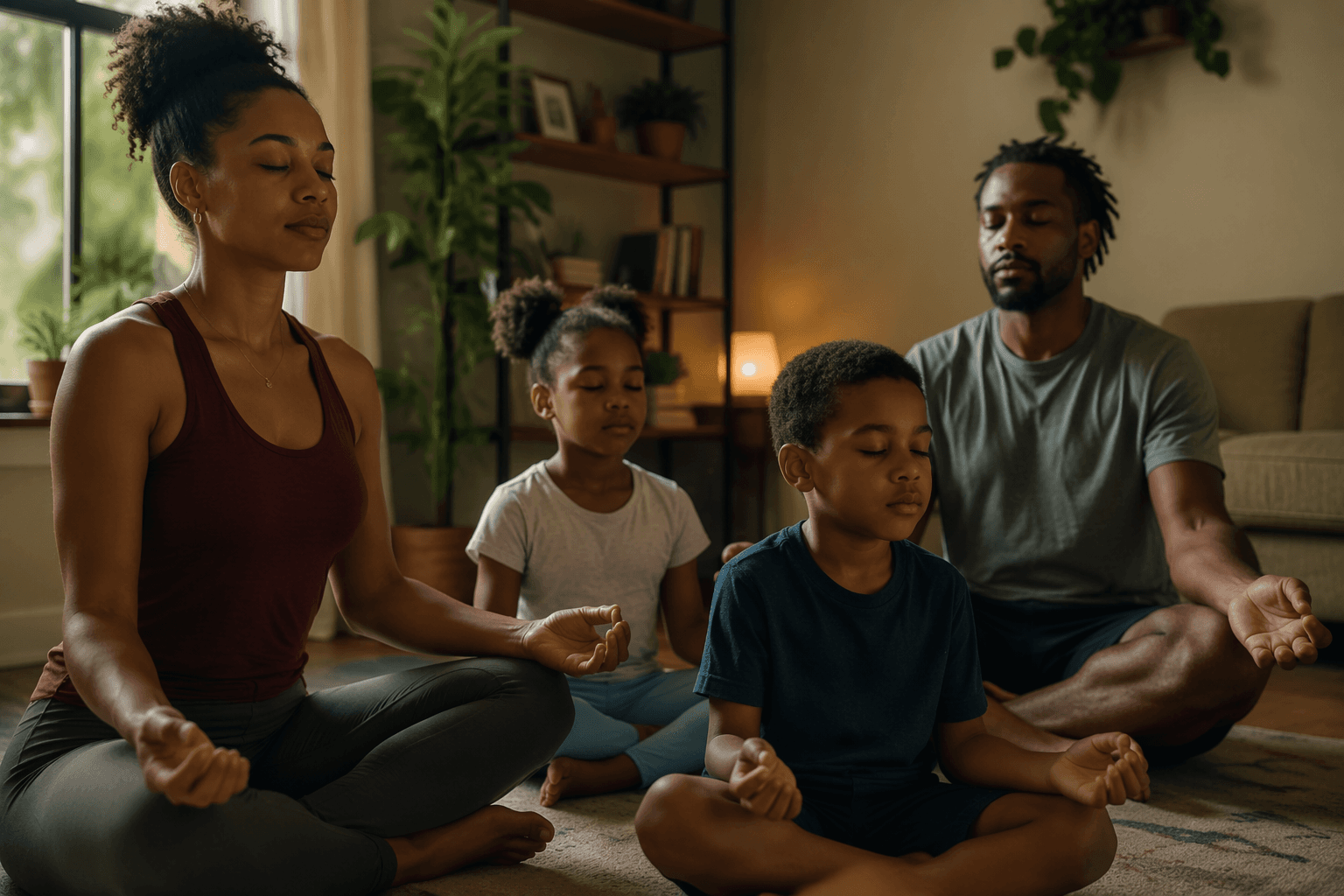
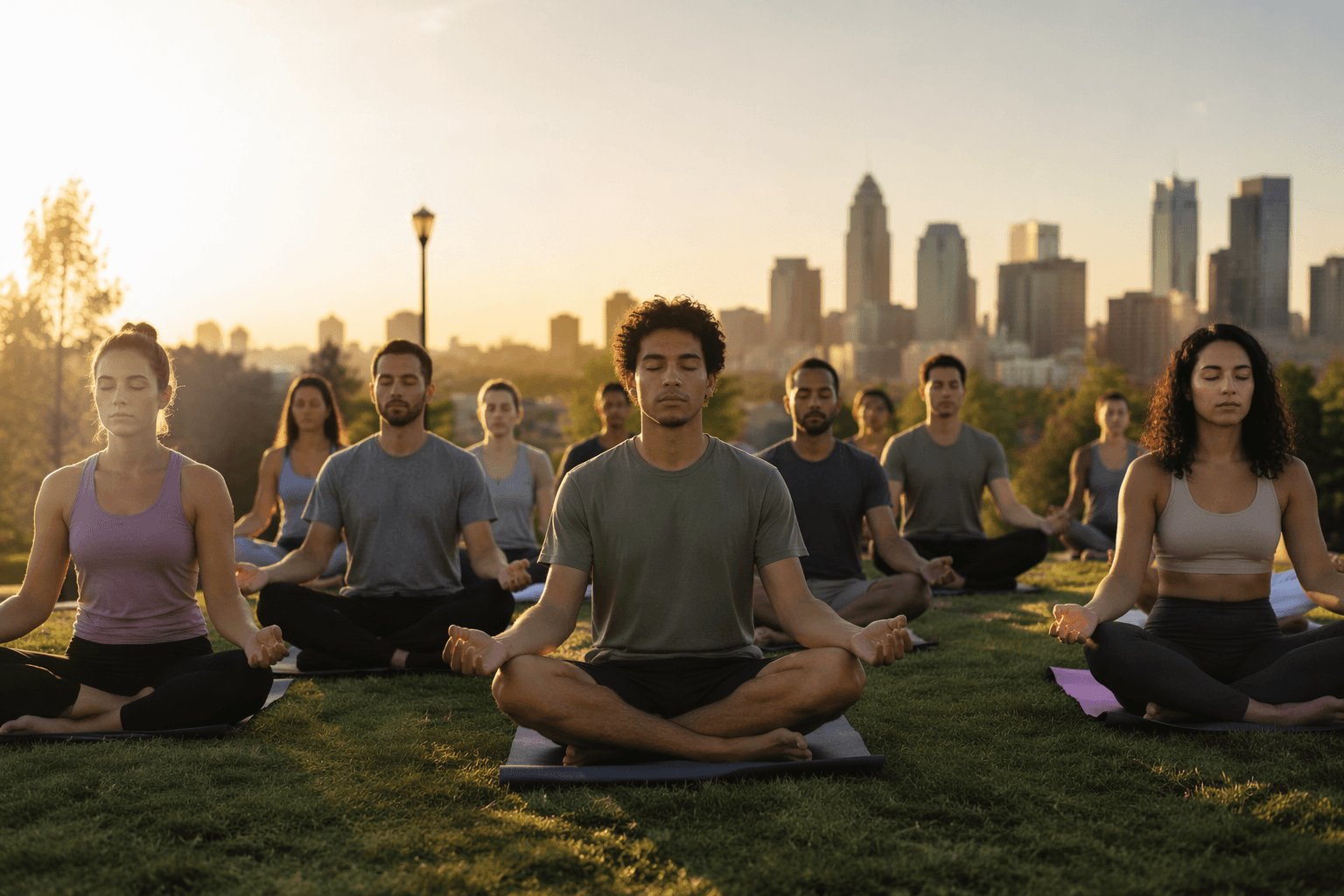
About 40 people spread across a living-room floor on pillows and knit blankets, some on yoga mats, waiting for Jordana Reim’s Shabbat practice to begin. The gatherings turn ritual, sound, and hospitality into one shared container rather than treating mindfulness as a solo wellness drill.
A Shabbat circle built as a container
Reim began hosting these Shabbat and sound healing gatherings in 2018, and she calls them Light Gatherings. The format has had time to harden into something intentional: not a one-off meetup, but a repeatable ritual with a recognizable emotional shape. Reim estimates that 20% to 30% of the people who pay to participate in her Shabbats are not Jewish.
Guests ranged from their mid-20s to their 50s, some knew one another already, and others arrived as strangers. The event is built to let different ages, backgrounds, and comfort levels settle into the same shared pause without requiring everyone to arrive with the same beliefs or level of observance.
Reim’s own framing is direct: she wants people to feel that if they chose to be there, they belong, regardless of background. The Shabbat frame gives the evening structure, but the belonging language makes the practice legible to people who may not come for synagogue life and may not identify as Jewish at all.
What the room is doing before anyone closes their eyes
The physical setup does a lot of the work before the meditation starts. A floor-level setup lowers the formality of the space, while yoga mats signal that participants are expected to get comfortable, not perform. In mindfulness spaces, the first obstacle is often not insight but nervous-system friction: the body has to stop bracing long enough for attention to settle.
Reim’s white West Highland terrier, Manny, adds another layer of texture. His name is short for Manifestation, and Reim joked that participants might get licked during the meditation. Manny slept through the session.
The sound-healing element pushes the gathering further away from a standard seated meditation class and closer to a ritualized group holding environment. Instead of asking people to disappear into private inwardness, Reim uses resonance, body comfort, and collective attention.
The larger platform behind the gatherings
Reim’s work does not stop at one living room. During the pandemic, she and Shira Lazar, the Emmy-nominated host and founder of What’s Trending, co-founded Peace Inside Live after a 2019 trip to Everest Base Camp at 4,400 meters. Peace Inside Live says it is a network of 100-plus wellness experts and offers tailored wellness programs.
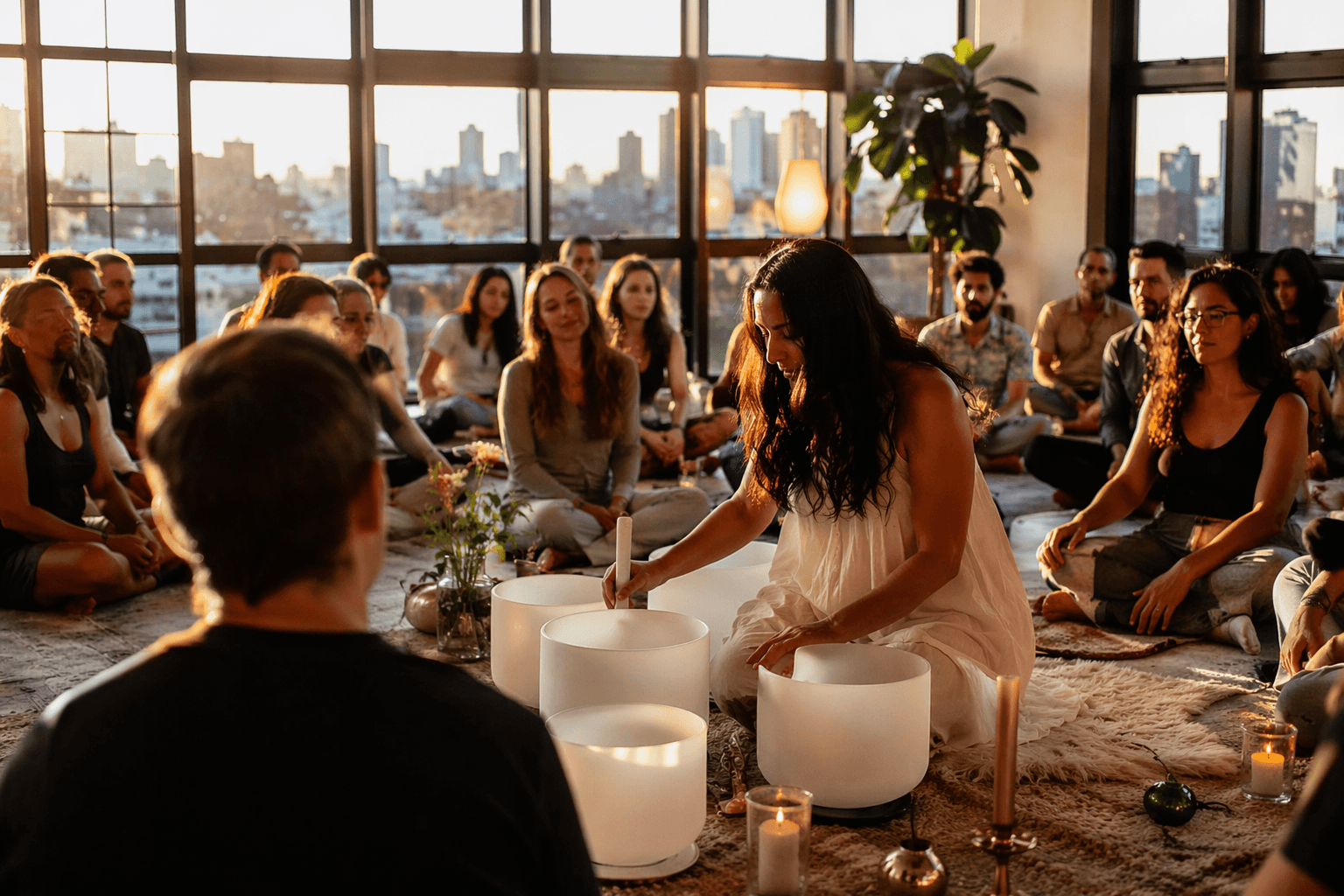
Reim has been guiding retreats since 2016, including trips to Bhutan, Nepal, and Thailand.
Reim’s practice is not framed as one narrow modality. It lives at the intersection of spiritual hospitality, contemplative practice, and group healing. The gatherings can include Jewish participants, non-Jewish guests, and people who are likely there less for theology than for regulation, comfort, and connection.
Why the evidence frame still matters
The National Center for Complementary and Integrative Health says mindfulness and meditation may help people manage anxiety, stress, depression, pain, and symptoms related to withdrawal from nicotine, alcohol, or opioids. The agency says some people report negative experiences, and safety evidence is still incomplete in the studies that exist.
Mindfulness and meditation are ancient practices, and research on their health benefits is relatively new but promising. For Reim’s gatherings, that means the practice is not a cure-all and not automatically benign for everyone. That is especially relevant in recovery-oriented settings, where a room built for calm still needs clear boundaries, consent, and attentive facilitation.
Sound healing fits into that picture because it widens the lane. It lets a group experience mindfulness through vibration, ritual, and shared timing rather than through silent self-optimization.
What solo meditators and local sanghas can borrow
What translates is the container: people feel held before they are asked to go inward. That can mean a recurring ritual, a clear welcome, a floor-level setup with blankets or cushions, and one sensory anchor that tells the nervous system the room is safe.
Local sanghas can learn from Reim’s hospitality language. She does not lead with exclusivity or insider status; she leads with the idea that if you chose to come, you belong, a message that matters especially for newcomers, interfaith guests, and people who have learned to scan spiritual spaces for where they do not fit.
This article was produced by Prism’s automated news system from verified source data, official records, and press releases, then run through automated quality and moderation checks before publishing. The system is built and supervised by the people who set the standards it runs under. Read our full AI policy.
Did this article answer your question?