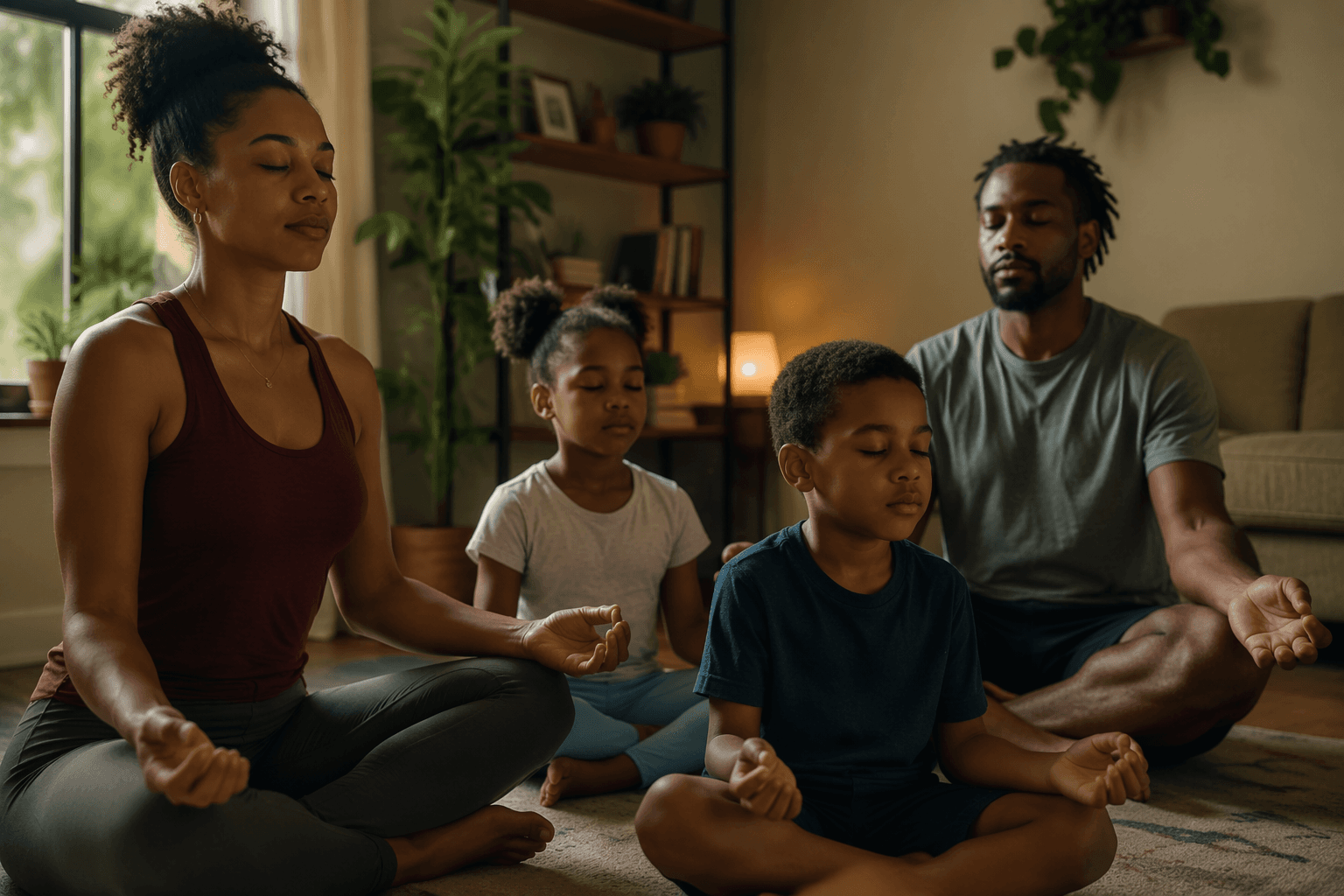
Meditation boosts focus, learning and performance under pressure
Meditation now reads like mental training: eight-week programs sharpen attention and learning, while U.S. use has surged to 17.3%.
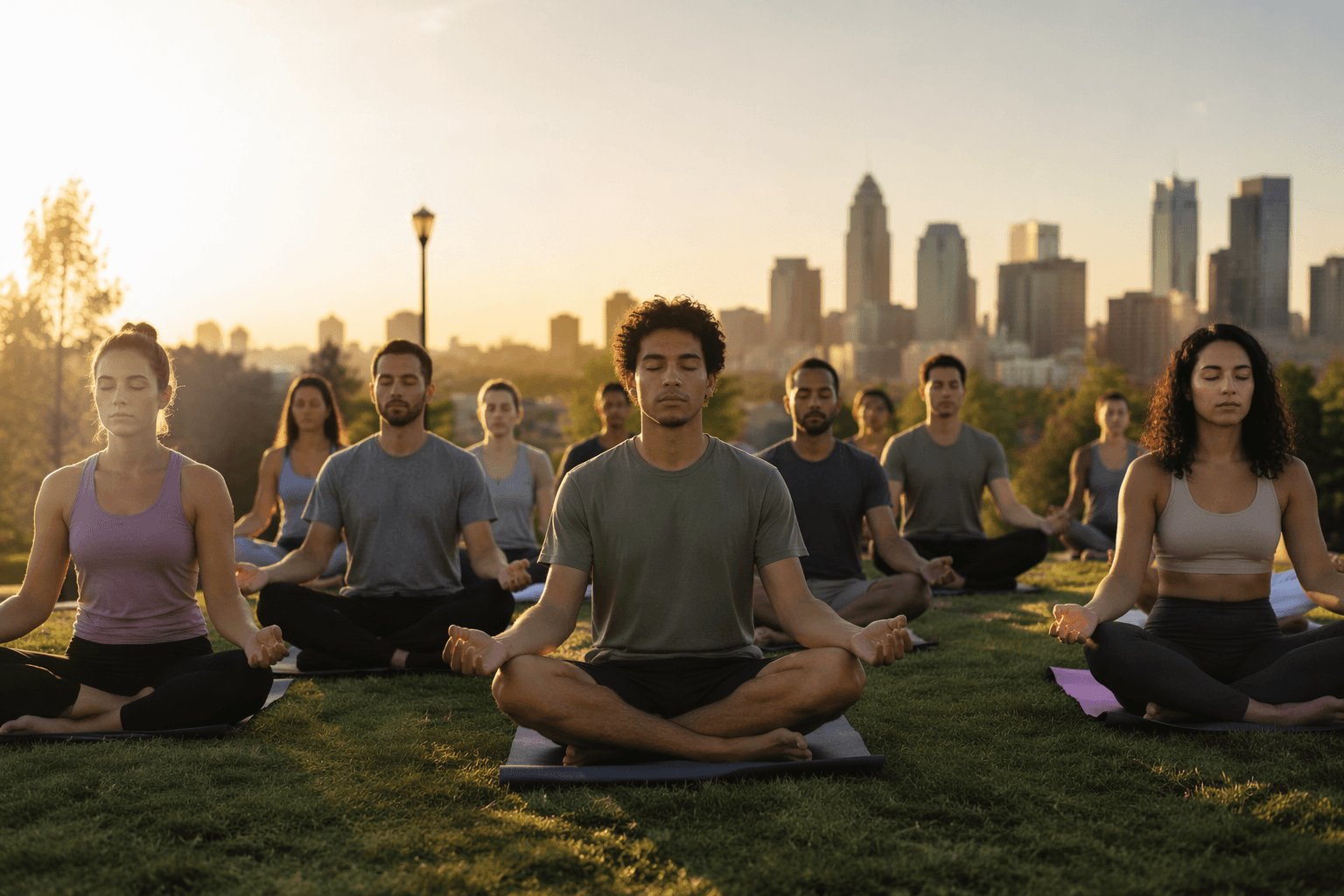
NCCIH data show 17.3% of U.S. adults practiced meditation in 2022, up from 7.5% in 2002. Part of the draw is what the practice trains: attention that returns faster after distraction, focus that holds longer under pressure, and a mind that can keep learning when stress would normally muddy the signal. That is why the practice shows up not only in stress-management conversations, but also in the routines of athletes, executives, and other people who have to make clean decisions when the clock is loud.
Meditation as performance training
The American Psychological Association defines mindfulness meditation as training attention to reach calm concentration and positive emotions, and that framing fits the stronger version of the case for the practice. The point is not just to feel less frazzled; it is to build the skill of noticing where attention went, then bringing it back on purpose. In high-pressure settings, the cost of a lost second is not abstract. It can be a missed cue, a sloppy decision, or a feeling that time itself has sped up.
Meditation is not merely a stress valve, but a form of mental conditioning. For people who work in competition, crisis, or constant context-switching, the useful edge is steadier perception, better recovery from distraction, and the ability to stay usable when pressure tries to narrow the mind.
What the practice actually includes
Meditation is broader than the familiar image of sitting cross-legged in silence. Mindfulness-based stress reduction, or MBSR, includes mindful meditation, discussion sessions, and other strategies for applying the practice to stressful experiences, while mindfulness-based cognitive therapy, or MBCT, combines mindfulness with cognitive behavioral therapy techniques.
The toolkit also includes deep breathing, mantras, chair-based practice, and walking meditation. It can be done at home, it does not require equipment, and it can be free, which makes the barrier to entry far lower than many people assume. If the only thing stopping practice is the idea that you need a perfect cushion, a silent room, or a spiritual reset, the evidence-based version is much simpler: start with a form you can repeat.
Where the cognitive gains show up
The clearest benefits in the research cluster around attention, learning, memory, mood, and emotional regulation. Improvements in those areas have appeared after eight weeks of relatively short daily mindfulness sessions, suggesting the practice works like training rather than a one-time mood lift.
A study of 81 healthy adults over age 60 found that an eight-week mindfulness intervention improved sustained attention, with the gains still present six months later. Another study of 42 participants used an eight-week MBSR program alongside MRI scans and fear-conditioning tasks to examine changes in attention and memory networks. Together, those findings point toward a practical advantage: the mind stays with the task longer, and it comes back more quickly when it drifts.
A 2024 pre-registered EEG study in 41 participants pushed that idea further. After eight weeks of mindfulness training, lapses of attention during meditation were associated with theta oscillations, giving researchers a neural marker tied to wandering attention.
What the evidence does and does not claim
The strongest claims are about attention and related forms of mental control, but the research also reaches into mood and pain. A 2019 review found mindfulness-based meditation had positive effects on depression as either a stand-alone or adjunctive therapy, with effects lasting six months or more, although many studies had a high risk of bias.
Pain is another place where the story gets more specific. A 2024 study suggested mindfulness meditation reduces pain through brain patterns distinct from placebo.
Safety, scale, and why this is no longer niche
Meditation is usually considered low-risk, but the safety picture is not one-sided. A 2020 review of 83 studies with 6,703 participants found that 55 reported negative experiences related to meditation practices.
It is also no longer a small subculture. In NCCIH data, meditation was the most used complementary health approach in 2022. CDC data show the same upward arc, with meditation use among U.S. adults increasing from 4.1% in 2012 to 14.2% in 2017.
How to start if the goal is focus
The simplest way in is to treat meditation like a drill for recovery, not a test of how calm you already are. Use a short daily practice, choose a format that fits your body, and focus on the moment you notice distraction and return attention to the breath, a mantra, or a walking rhythm. MBSR and MBCT offer structured paths if you want more guidance, but the core habit is available in a chair at home, with no equipment and no special setup.
This article was produced by Prism’s automated news system from verified source data, official records, and press releases, then run through automated quality and moderation checks before publishing. The system is built and supervised by the people who set the standards it runs under. Read our full AI policy.
Did this article answer your question?