Brain Changes May Begin Within Minutes of Meditation, Study Finds
Two minutes may be enough to nudge the brain, with EEG shifts starting at 2 to 3 minutes and peaking around 7. The practice tested was simple breath-watching.

Meditation did not need to last half an hour to show up on a brain scan. In a study published in Mindfulness, researchers found that measurable EEG changes began about 2 to 3 minutes after meditation started, with the strongest effects arriving between 7 and 10 minutes. The work gives a concrete answer to a question many busy meditators ask every day: how little time is enough to matter?
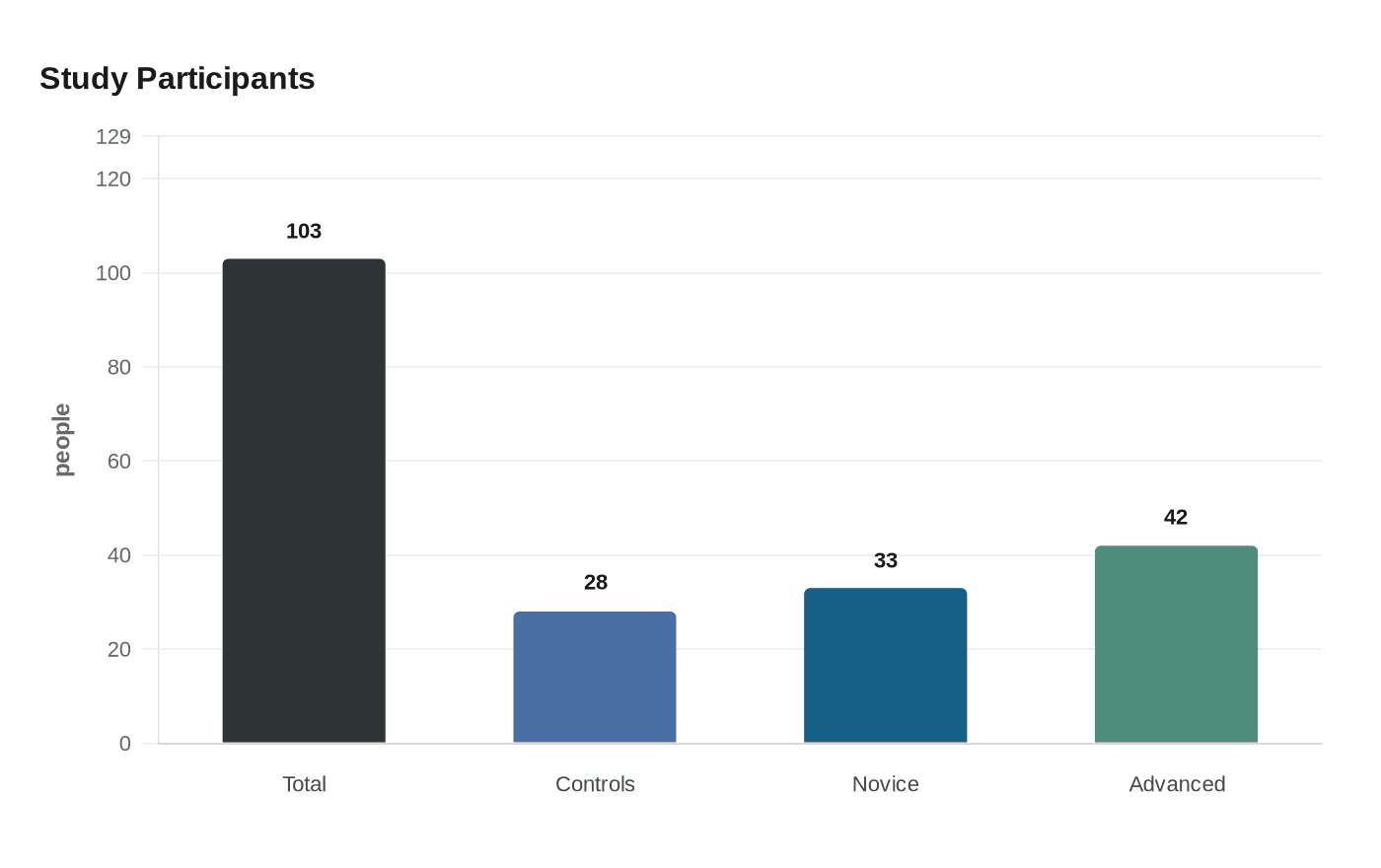
In this case, “shifting brain activity” meant a clear pattern on 128-channel EEG during Isha Yoga breath-watching meditation. Across 103 participants, including 28 meditation-naïve controls, 33 novice meditators and 42 advanced meditators, the team saw alpha, theta and beta1 power rise while delta and gamma1 power fell. That is not the same thing as a magical mood overhaul in 120 seconds. It does mean a short sit can produce measurable changes in how the brain’s electrical activity is organizing itself, even before the full session is underway.
The practical takeaway is simple: a two-minute reset is not useless, but it is probably the start of the curve rather than the finish line. Advanced meditators showed a distinct signature from the first 30 seconds in the researchers’ account, which suggests experience may help the brain settle more quickly. For newer meditators, the study points to a different lesson. If attention feels scattered at first, that does not cancel the value of the practice. The data suggest the brain is already responding by the time many people are just getting past the urge to stop.
The most usable micro-practice here is the one the study actually tested: breath-watching. Sit, stand, or remain in a parked car and keep attention on the natural breath for 2 to 3 minutes, returning to the inhale and exhale each time the mind jumps. That makes it realistic for a commute break, a work reset, or a tense moment before a meeting. Balachundhar Subramaniam, one of the coauthors, has argued that the bigger question is not whether meditation changes the brain, but when it starts to work. This study answers that with unusual precision: the first meaningful shifts arrived fast, and the strongest ones came a few minutes later.
The paper also noted that it was not preregistered, and that data and code will be made available upon request. The broader picture still lines up with earlier neuroscience, including a 2025 PNAS study showing loving-kindness meditation changed beta and gamma activity in the amygdala and hippocampus of novice meditators. The new result narrows the gap between laboratory findings and daily life: meditation does not need to be a perfect 20-minute block to count.
This article was produced by Prism’s automated news system from verified source data, official records, and press releases, then run through automated quality and moderation checks before publishing. The system is built and supervised by the people who set the standards it runs under. Read our full AI policy.
Did this article answer your question?