National Museum of Asian Art Offers Free Weekly Online Meditation Sessions
A Smithsonian museum is offering free 45-minute meditation sessions twice a week, turning mindfulness into a simple habit with art, teachers, and no prior experience required.
A Smithsonian museum is making meditation feel surprisingly practical
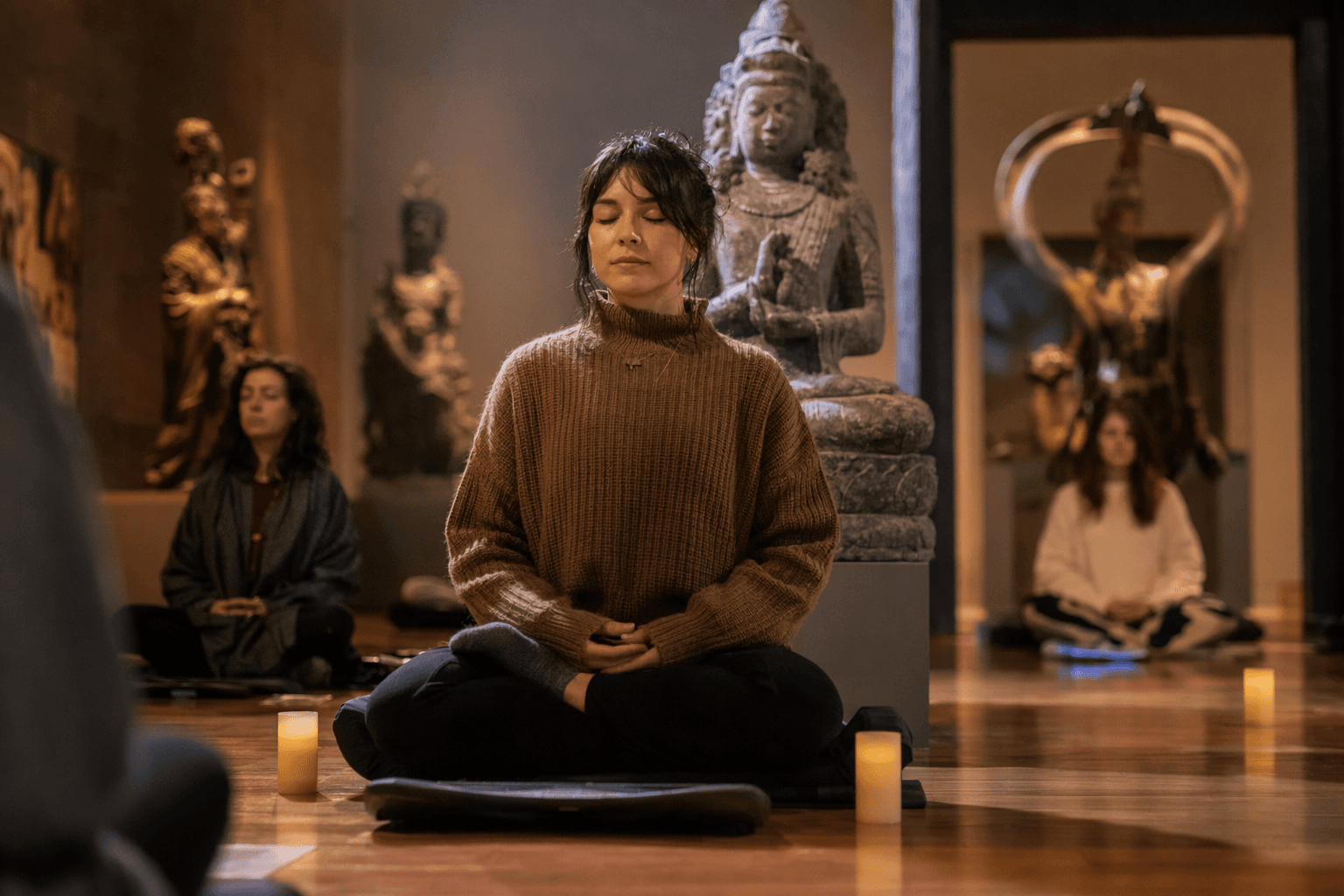
The National Museum of Asian Art is offering something rare in mindfulness culture: a free, twice-weekly practice that is public, structured, and easy to repeat. Every Tuesday and Friday, the museum hosts 45-minute online meditation sessions led by DC-based teachers, with no previous experience required and all are welcome.
That combination makes the series stand out. It is not an app trial, not a pricey retreat, and not a one-off wellness event that disappears from your calendar before it can become useful. It is a dependable slot you can actually build around, whether you want a midday reset, a gentle evening wind-down, or a standing weekly practice that does not ask for special gear or a long time commitment.
What the sessions are like
The museum describes the series as free online meditation sessions, and the format is intentionally approachable. The Tuesday and Friday sessions run 45 minutes, which is long enough to settle into a guided practice but short enough to fit into a workday pause or a lunch break. Because the sessions are open to the public and do not require prior experience, they lower the usual barriers that keep curious beginners from trying meditation in the first place.
The practice itself is framed as accessible to both beginners and experienced meditators. That matters because the best entry points in mindfulness are often the ones that let new practitioners join without feeling behind. Here, the message is simple: show up, sit down, and let the guide lead.
Why Friday feels different
Friday sessions add the museum’s most distinctive twist. Instead of being purely inward-facing, they draw inspiration from works in the museum’s collection and sometimes include special guests such as teachers, curators, and artists. That gives the series an arts-and-culture texture that many meditation offerings do not have.
For anyone who finds a blank meditation timer intimidating, this is a useful bridge. The sessions connect attention training to visual culture, which can make the practice feel less abstract and more embodied. Rather than asking you to empty your mind in isolation, the museum uses art as a point of entry, allowing contemplation to begin with an image, an object, or a story.
The museum has also published object-based meditation content from its Southeast Asian collections, where a brief discussion of an artwork is followed by a guided meditation. That format makes the link between looking and listening especially clear: first comes context, then comes stillness.
A schedule built for repetition, not just attendance
The current series page lists an ongoing run of upcoming dates, including April 28, May 1, May 5, May 8, May 12, May 15, May 19, May 22, May 26, May 29, June 2, and June 5, 2026. That kind of calendar signal matters because it shows the museum is treating mindfulness as a recurring habit, not a special event.
A repeatable schedule changes how a person can use the series. Instead of asking, “Can I make one session work?” the better question becomes, “Which two moments each week can I protect for practice?” That is a much more realistic way to build mindfulness into ordinary life, especially for people who want consistency more than intensity.
The museum’s mission gives the series a larger purpose
The National Museum of Asian Art says its vision is to be a place where visitors can convene, learn, reflect, and forge connections through art. The meditation series fits that mission neatly. It is not presented as a standalone wellness product, but as part of the museum’s broader civic and educational role.
That framing also shows up in the museum’s blog, which notes that today’s popular understanding of mindfulness has roots in ancient Hindu and Buddhist traditions. The institution says it is creating space for visitors to appreciate those traditions and their influence on art and history. In other words, the sessions are doing more than helping people relax. They are also placing meditation inside a larger conversation about culture, religion, and interpretation.
How the series has evolved
This is not a brand-new experiment. The museum has been hosting meditation and mindfulness workshops for years, including 30-minute online workshops in 2020 and a 2022 event listing that named meditation teachers Aparna Sadananda and Philip Bender. Older versions of the program also used monthly themes as a lens for exploring Asian spiritual traditions.
That evolution is telling. The series has moved from shorter sessions into a more sustained 45-minute format, while keeping the core idea intact: meditation as a public-facing practice that can be taught through art, tradition, and conversation. The shift suggests a program that has been refined over time rather than invented for trend appeal.
Where this fits in the museum’s broader work
The meditation series also connects to the museum’s Arts of Devotion initiative, which focuses on Hinduism, Buddhism, and Islam. That initiative aims to further civil discourse around religion through collections of Hindu and Buddhist art and arts of the Islamic world. Seen through that lens, the meditation sessions are part of a much larger institutional effort to pair contemplation with learning.
That broader context helps explain why the series feels different from generic wellness programming. The museum is not only offering calm. It is using calm as a way to engage with art, history, and religious traditions in a public setting. For a major Smithsonian museum to make that part of its regular programming is a notable signal that mindfulness is being treated as both a civic practice and a cultural one.
Why this format works in real life
The real appeal here is friction, or rather the lack of it. Free access, a fixed twice-weekly schedule, a 45-minute run time, and no prerequisite experience make the sessions unusually easy to try and easier to keep. That is the kind of structure that can turn mindfulness from an aspiration into a habit.
For people who have wanted a steadier meditation practice but have struggled to make one stick, this is the kind of offer that can actually change the rhythm of a week. It is short enough to be practical, thoughtful enough to feel meaningful, and rooted enough in a respected institution to feel worth returning to again and again.
This article was produced by Prism’s automated news system from verified source data, official records, and press releases, then run through automated quality and moderation checks before publishing. The system is built and supervised by the people who set the standards it runs under. Read our full AI policy.
Did this article answer your question?