Brazilian Study Validates Mindfulness Adherence Tool Across Cultures
A Brazilian study turns mindfulness’s hidden problem into something measurable: whether people are actually sticking with practice, and what that means for apps, courses, and teachers.
Why adherence is the real question
A six-breath reset is easy to promise. The harder part is knowing whether people are actually keeping up with mindfulness in a way that matters, not just opening an app once and forgetting it by day three. Published in *Mindfulness* on April 24, 2026, after acceptance on April 7, this Brazilian study puts that invisible question front and center.
The paper, *Cross-Cultural Adaptation and Psychometric Validation of the Mindfulness Adherence Questionnaire for the Brazilian Context*, tackles a problem that ordinary practitioners feel long before researchers name it: how do you tell the difference between trying mindfulness and sticking with it? The answer matters whether you are a person trying to keep a streak alive, a teacher trying to understand why a class loses momentum, or a program designer trying to figure out which parts of a course actually land.
At the heart of the study is the Mindfulness Adherence Questionnaire, or MAQ, a tool originally designed to measure both the quantity and the quality of formal and informal mindfulness practice. That distinction is the whole story. Minutes logged are one thing; the felt consistency of practice, the way it spills into daily life, and the habits that hold after a course ends are another.
How the Brazilian version was built
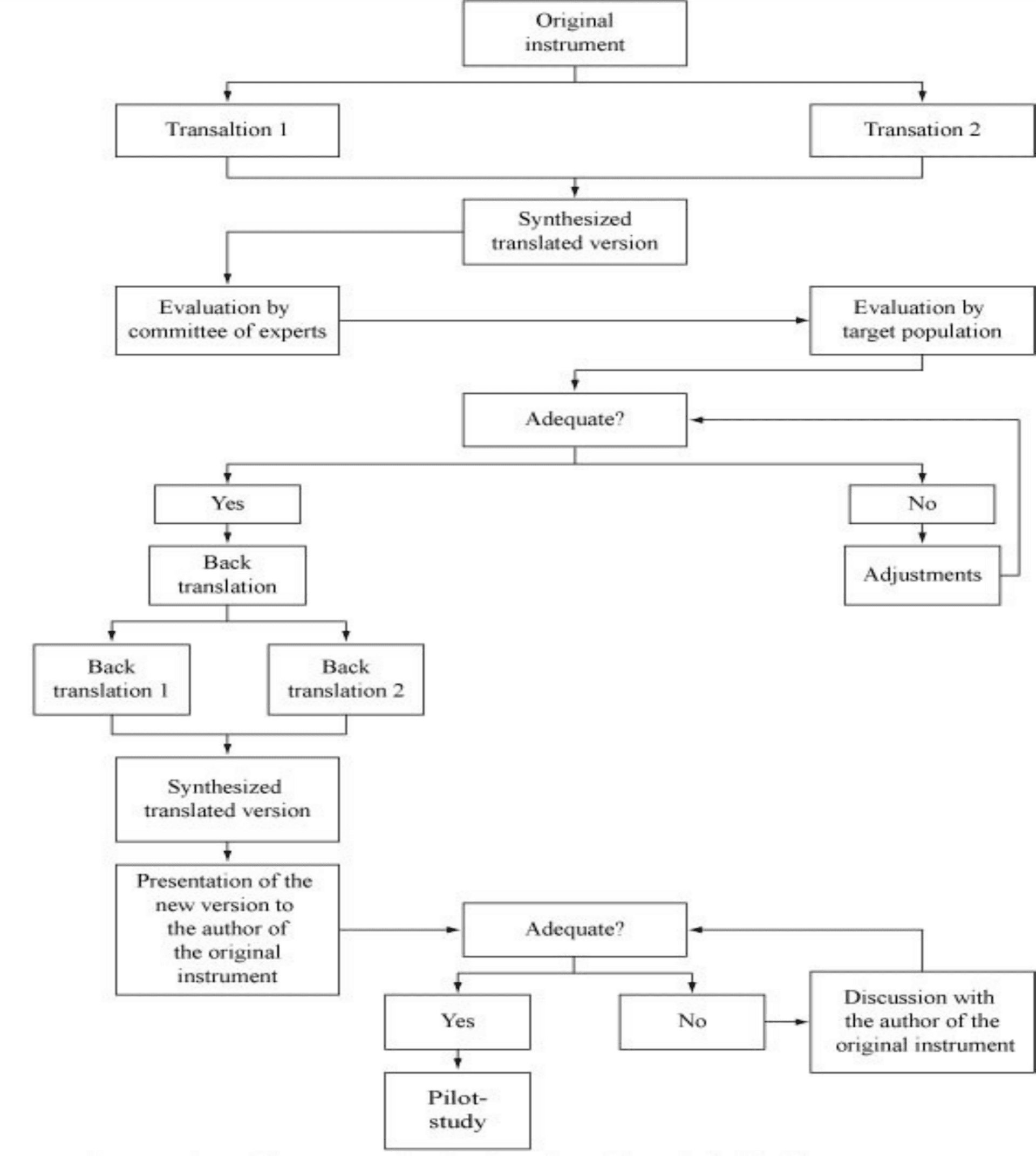
The Brazilian team did not just translate a questionnaire and call it done. The adaptation followed international guidelines for translation and semantic equivalence, using translation-back-translation, expert committee review, and a pilot study. That kind of careful process is what turns a scale into something people can trust in a new language and a new cultural setting.
The project was also visibly collaborative. The author list includes Nórthon Mendonça, Alanny Nunes de Santana, Débora Regina de Aguiar, Julio Cezar Costa, Craig Hassed, José Maurício Haas Bueno, Marcelo Demarzo, Andrew Flighty, Richard Chambers, Dominic Hosemans, Neil Bailey, Sherelle Connaughton, Stuart Lee, and Nikolaos Kazantzis. The affiliations stretch across Brazil, including the Alagoas Center for Mindfulness and Evidence-Based Psychotherapies, the Center for Studies in Psychological Assessment, NEAP/UFPE, the State University of Paraíba, and the Research Center for Development, Assessment, and Cognitive Interventions, as well as Monash University in Australia.
That mix matters because mindfulness practice itself is now global. A tool built for one culture can miss the way another community describes effort, discipline, consistency, or the private rituals that keep a practice alive. Validating the MAQ in Brazil is part of making mindfulness research portable without flattening the way people actually practice.

What the Brazilian sample showed
The Brazilian validation used a convenience sample of 303 participants, recruited online. Most were women, 82.61 percent of the group, and the age range stretched from 22 to 73 years old. That spread gives the study a broad adult snapshot rather than a narrow student-only sample, which is useful when you are asking how mindfulness practice behaves in the real world.
To test whether the Brazilian MAQ held up, the researchers paired it with a cluster of familiar measures: the Depression, Anxiety and Stress Scales, or DASS-21, the Big Five Inventory, the Mindful Attention Awareness Scale, and the Five Facet Mindfulness Questionnaire. They then examined construct validity with exploratory factor analysis and confirmatory factor analysis, while reliability was checked with Cronbach’s alpha and omega coefficients.
The result was encouraging. The Brazilian version showed acceptable psychometric properties and promising evidence of validity and reliability. Its factor structure was judged to have good adequacy, internal consistency was acceptable, and the scale correlated positively with mindfulness and personality traits, except for anxiety and stress scores. In practical terms, that means the tool seems to be measuring something coherent, not just producing numbers that look tidy on paper.
There is one detail readers who care about evidence will notice: the study was not preregistered. That does not erase the value of the findings, but it does place them where many mindfulness researchers already live, in a field where careful validation is welcome and stronger transparency will only make future tools better.
Why this matters for apps, courses, and teacher feedback
This is where the story stops being abstract. If you run a mindfulness app, a teacher-led course, or a clinic-based program, adherence is the difference between a user who tried one breathing exercise and a participant who actually built a practice. A valid adherence scale can help answer questions that matter every day: Who is practicing regularly? Who is only showing up halfway? Which parts of a course are creating durable habits, and which parts are fading on contact with ordinary life?

For apps, that could mean better progress tracking than simple streak counts. A scale like the MAQ can help developers think beyond raw usage and toward the quality of formal and informal practice, which is where mindfulness often changes people. For teachers, it could sharpen feedback after a retreat or weekly class, showing whether students are keeping a home practice, integrating mindfulness into daily routines, or dropping off once the container ends.
It also matters for evaluation. Without a clear measure of adherence, it is hard to tell whether outcomes improve because the program works, because participants practice more faithfully, or because some other factor is driving the change. The Brazilian validation gives the field a more precise instrument for distinguishing those possibilities.
Brazil’s public-health context makes the tool especially relevant
Brazil is not treating mindfulness as a fringe add-on. The Brazilian Ministry of Health says meditation and mindfulness have been included in the National Policy of Integrative and Complementary Practices in the Unified Health System, or SUS, since 2006. The ministry’s own rapid review on mindfulness for anxiety and depression shows the practices are already part of adult and older-adult care discussions.
That policy backdrop makes a validated adherence tool more than a research convenience. It becomes part of how public-health systems can decide what to scale, what to adapt, and what to monitor. The World Health Organization’s Brazil profile, which lists a population of 211,140,729 in 2023 and current health expenditure at 9.80 percent of GDP in 2022, points to the size of the setting in which these questions matter.
The original MAQ was built to fill a genuine measurement gap, and its first validation work used a cross-sectional sample of 282 people plus a separate 4-week intervention sample of 55 participants to test reliability, test-retest performance, and sensitivity. The Brazilian version pushes that project into a new cultural setting, showing that adherence can be measured with more confidence outside the context where the scale was born.
For anyone who has ever wondered whether their meditation practice is becoming real or just staying on the screen, that is the quiet breakthrough here. Better measurement will not meditate for you, but it can help the field tell the difference between a passing attempt and a practice that actually takes root.
This article was produced by Prism’s automated news system from verified source data, official records, and press releases, then run through automated quality and moderation checks before publishing. The system is built and supervised by the people who set the standards it runs under. Read our full AI policy.
Did this article answer your question?