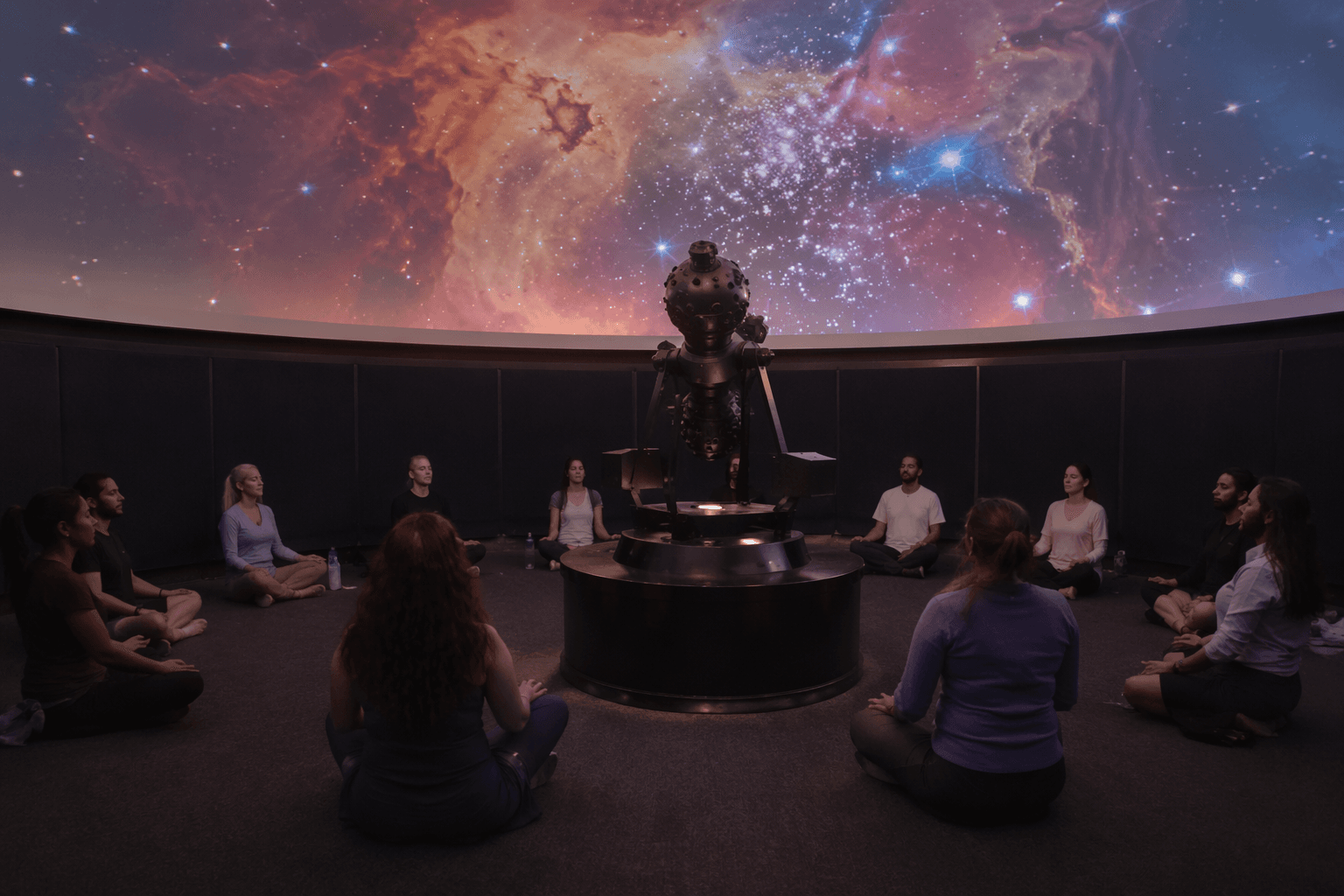
Chills-inducing music boosts self-transcendence and insight during mindfulness and loving-kindness meditation
Adding uplifting, chills-inducing music to guided meditation raised measures of self-transcendence, emotional breakthrough, and psychological insight in an online trial.
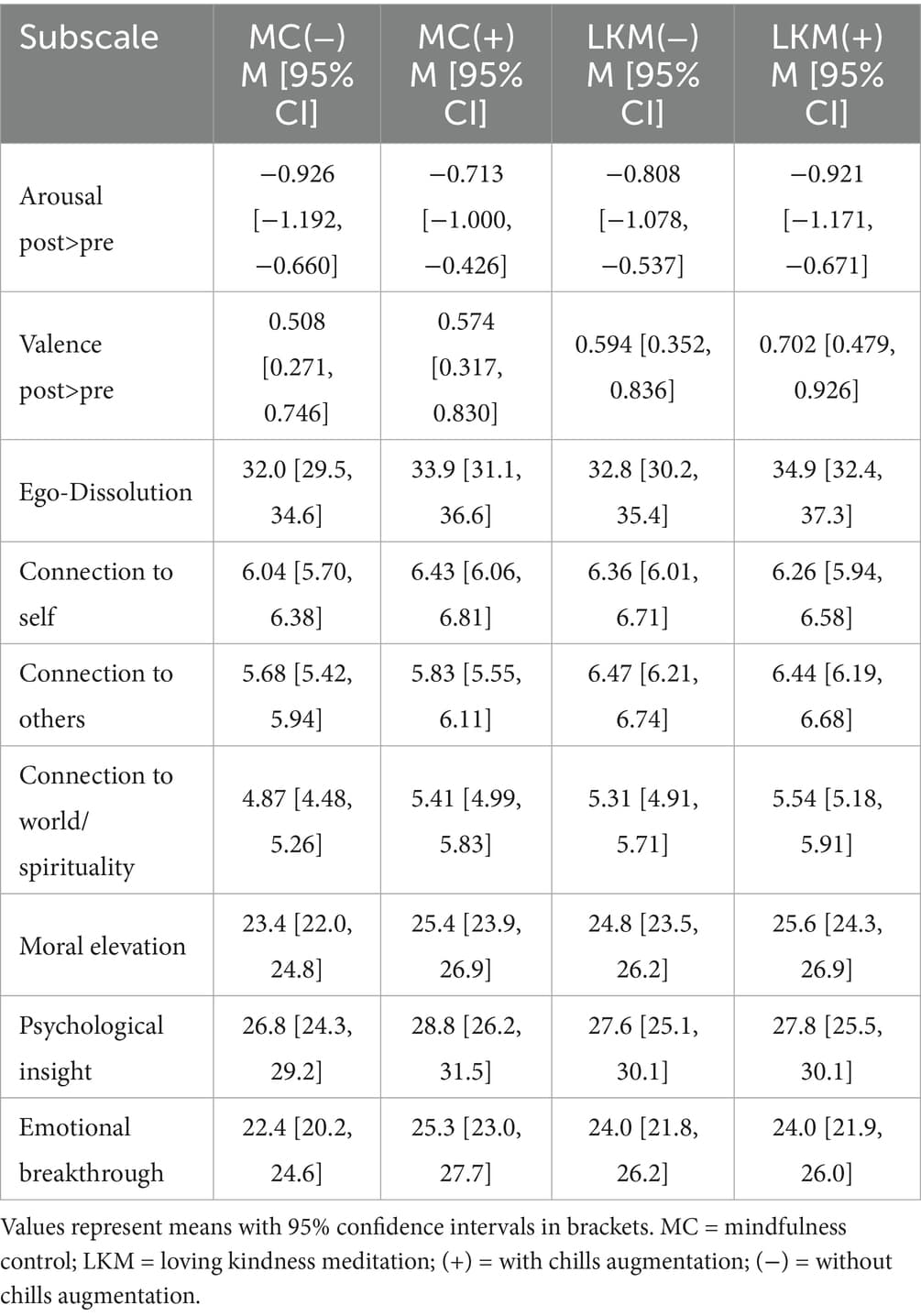
A randomized online trial of 398 people found that adding uplifting, chills-inducing music to short guided practices boosted experiences of self-transcendence and self-reported psychological insight. Researchers led by Leonardo Christov-Moore tested a 2×2 design that crossed loving-kindness meditation with a mindfulness control and the presence or absence of music designed to evoke aesthetic chills.
The study measured self-transcendence using indices such as ego-dissolution, connectedness to self and world, and moral elevation, and surveyed participants about emotional breakthrough and psychological insight. Across conditions, the researchers report that the experience of chills was linked to higher self-transcendence, and that music augmentation successfully increased self-reported emotional breakthrough and psychological insight. The authors interpret the results to suggest that "music chills" - chills triggered by music without explicit narrative content - can augment the efficacy and impact of guided narrative-based interventions.
The findings replicate earlier work by Christov-Moore and Felix Schoeller and others that tied aesthetic chills to shifts in self-experience. Literature cited by the team frames chills as surprising and involuntary reactions that may alter negative self-schemas and resemble some phenomenology reported in psychedelic-assisted therapy, including emotional breakthrough and ego dissolution. That body of work links chills to measurable changes in belief and perception, and positions music-induced chills as a potentially low-barrier route to comparable subjective states.
For meditators and community teachers this offers a practical, scalable tweak. Loving-kindness sequences and mindfulness scripts can be paired with uplifting tracks that reliably produce goosebumps or tears for the listener. Because the trial was delivered online and used music without a spoken narrative to create chills, the approach may be incorporated into virtual classes, self-guided sessions, or blended therapy settings without extensive retraining.

Important caveats remain. The published excerpt does not include demographic breakdowns, exact music selections, psychometric instruments, or detailed statistics such as effect sizes and p-values. That limits how precisely the results translate to any given practitioner or clinical setting. Still, the signal is clear: chills correlate with deeper states of connectedness and insight, and adding carefully chosen music can amplify those outcomes.
For now, try experimenting mindfully: use short, emotionally resonant pieces that reliably move you, keep volume and listening comfort in mind, and observe whether your own sessions yield more moments of insight or moral elevation. Researchers including Mathilda Von Guttenberg, Tiffany Durinski, Mordechai Walder, Felipe Jain, Marco Iacoboni, and Nicco Reggente plan further work to refine methods and probe mechanisms. If confirmed, music chills could become a practical augmentation for meditation teachers, clinicians, and anyone seeking a deeper, more transformative sitting.
This article was produced by Prism’s automated news system from verified source data, official records, and press releases, then run through automated quality and moderation checks before publishing. The system is built and supervised by the people who set the standards it runs under. Read our full AI policy.
Did this article answer your question?