Computational Modeling Reveals How Focused and Open Meditation States Differ
New research mapped FA meditation's attentional steps in code, revealing how non-judgmental redirection of wandering attention sets it apart from open monitoring.
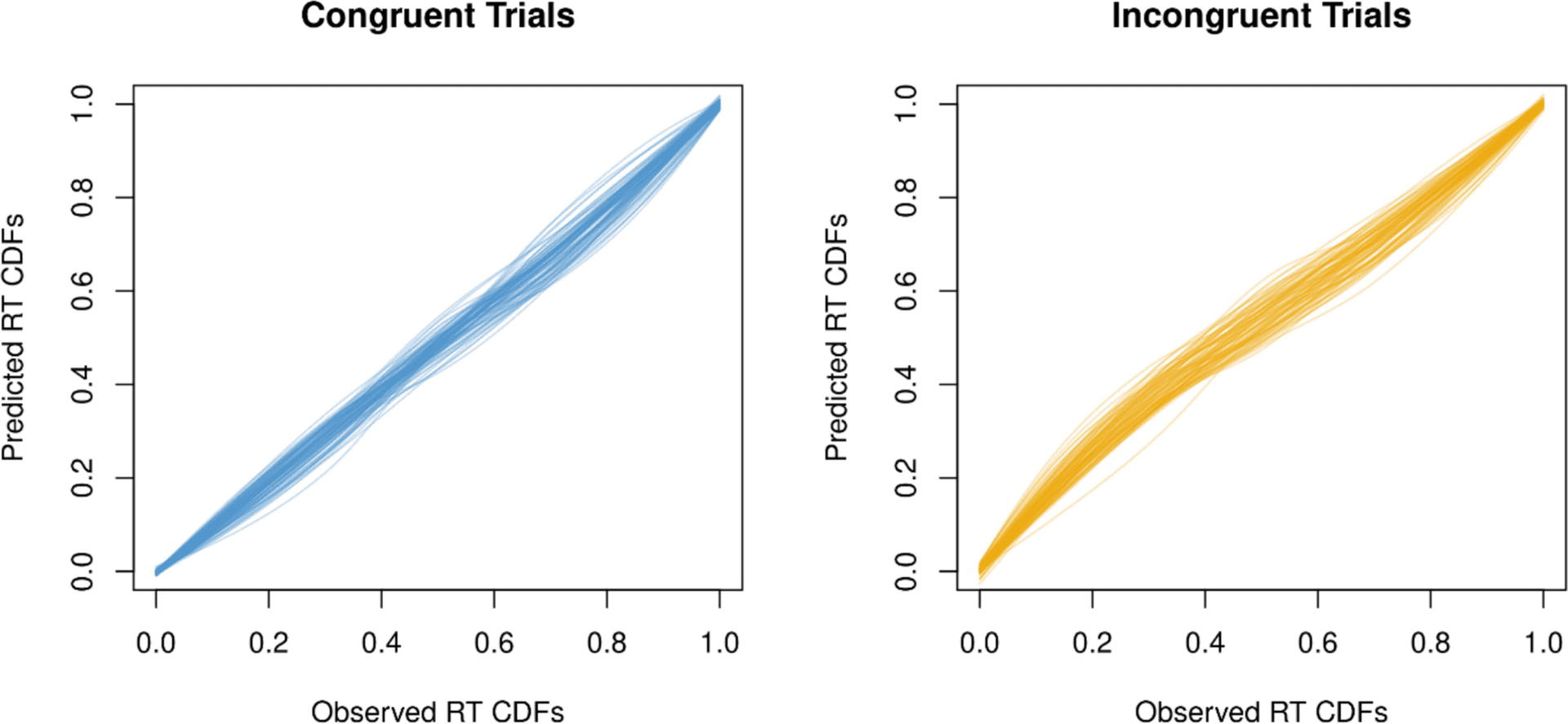
A computational study published in the journal Mindfulness on March 9 has done something practitioners have long discussed in experiential terms: it translated the mechanics of focused-attention and open-monitoring meditation into formal cognitive models, making the theoretical differences between these two states mathematically distinguishable.
Researchers Yanli Lin and Grant S. Shields built their framework on a box-and-arrow process model of mindfulness developed by Vago and Silbersweig, using it as the structural backbone for a cognitive model of focused-attention, or FA, meditation. Their argument for starting with FA was direct: this form of practice, anchored to a single object like the breath, is the most amenable to computational modeling because its attentional operations are relatively discrete and sequential.
According to the model, FA meditation unfolds in identifiable stages. It begins with the formation of intention and motivation. From there, what the researchers call an "executive set" is created, which contains the practice instructions. Those instructions are then maintained through working memory processes while attentional processes sustain focus on the chosen object. When attention drifts, the meditator notices, and returns focus to the object while minimizing further mental elaboration.
That last detail carries clinical weight. The researchers contrasted FA practice with our habitual reaction to losing focus: frustration, which generates aversive emotions and feeds ruminative thinking. In FA, the redirection is non-judgmental and compact. Mind-wandering itself is characterized in the paper as an unintended shift toward a sensory or mental event that triggers habitual affective responding, which in turn activates episodic or procedural memories, generating further affective responses in an escalating cascade. FA practice, the model suggests, interrupts that loop at its earliest stage.

The paper also connects attentional control to the therapeutic mechanism of decentering, a process central to Mindfulness-Based Cognitive Therapy. Decentering involves stepping back from intruding thoughts by recognizing that it is possible to choose to think something else. Because decentering is a metacognitive assessment of one's mental state that requires attention to execute, Lin and Shields positioned attentional control as "a prime target for computational modeling" and situated their work within the broader clinical landscape of MBCT.
The researchers framed the study as the beginning of a larger computational theory of meditation practices rather than a finished account. The open-monitoring state, characterized by broad, non-reactive awareness rather than a fixed attentional anchor, presents steeper modeling challenges, and how fully OM was formally implemented alongside the FA model remains a question the full paper will need to answer in detail. What the work establishes is a rigorous theoretical scaffolding that moves the field closer to testable, mechanistic accounts of why different meditation styles produce different cognitive and emotional outcomes.
This article was produced by Prism’s automated news system from verified source data, official records, and press releases, then run through automated quality and moderation checks before publishing. The system is built and supervised by the people who set the standards it runs under. Read our full AI policy.
Did this article answer your question?


