Curriculum-Embedded Mindfulness Course Shows Promise for University Students
A new study tested two formats of a mindfulness course built directly into university curricula, tracking students across two separate cohorts.
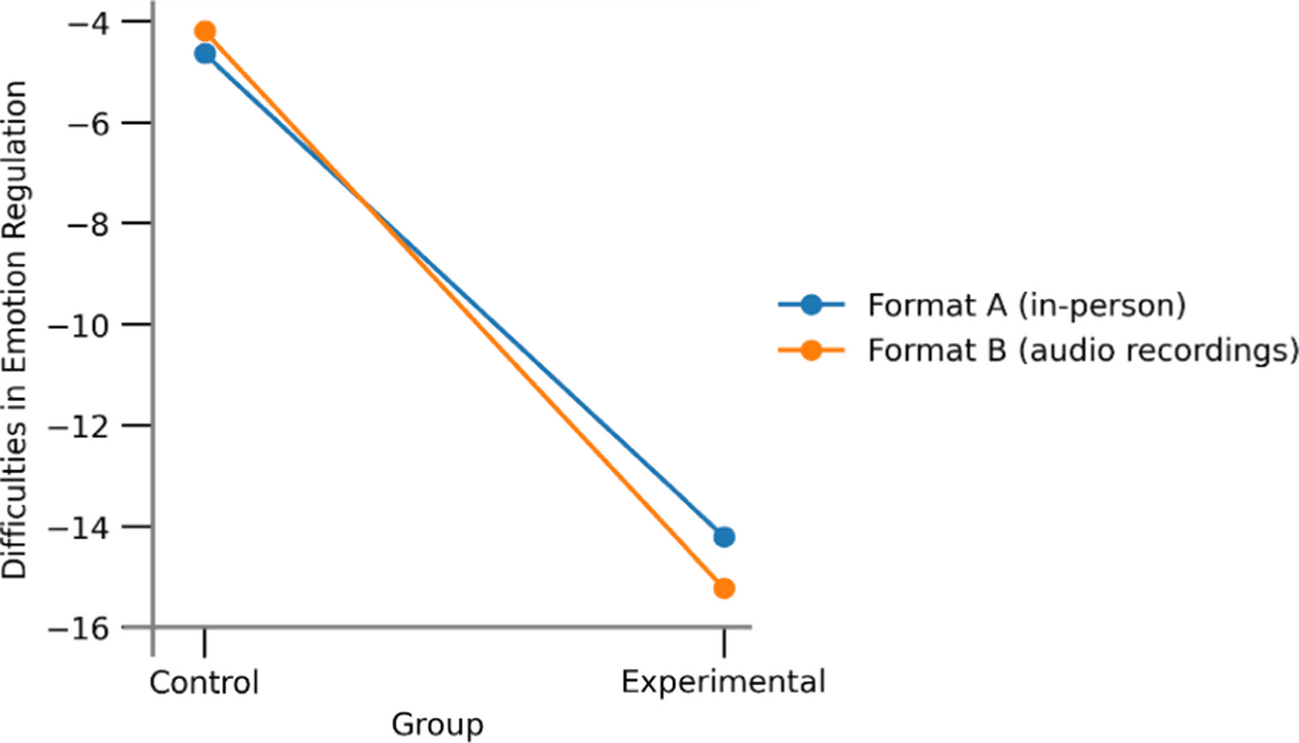
Most mindfulness programs ask students to seek them out. A team of researchers flipped that premise entirely, bringing a structured mindfulness course directly into the academic curriculum and then measuring whether the format of delivery actually mattered.
Ivana Burić, Lucija Žderić, Esther Bruin and colleagues published their findings in the journal Mindfulness on March 7, 2026, examining two distinct delivery formats of the same curriculum-embedded course given to university students. Rather than relying on self-selected participants who already came with motivation to practice, the study reached students through their existing coursework, a design choice that carries real implications for how mindfulness training gets scaled in higher education.
The research used a non-randomized controlled design, tracking two separate student cohorts from 2022 and 2023. Running the study across two cohorts strengthens the findings considerably. A single cohort can carry confounding variables tied to a particular semester, a particular campus climate, or even a particular news cycle. Replicating the conditions a year apart and observing consistent patterns gives the results more weight than a one-time snapshot would allow.

The curriculum-embedded model itself sits at the center of ongoing conversation in contemplative education circles. Programs like Mindfulness-Based Stress Reduction carry well-documented benefits, but they require participants to show up voluntarily, often outside of class hours, and often at some personal cost in time and money. Embedding practice directly into coursework removes those friction points and reaches students who might never have walked into a meditation center on their own.
The specific outcomes across the two delivery formats, and which format performed better by what measures, represent the core of what Burić, Žderić, Bruin and the broader research team set out to answer. With the paper now in print, it adds a methodologically grounded data point to a field that has long needed more rigorous comparative work on how, not just whether, mindfulness training reaches the people who could most benefit from it.
Know something we missed? Have a correction or additional information?
Submit a Tip