Digital nonattachment program eases post-traumatic stress symptoms, trial finds
An eight-module self-guided program cut PTSD symptoms in a 141-person trial, with gains lasting 20 weeks and nonattachment rising on the NAS.
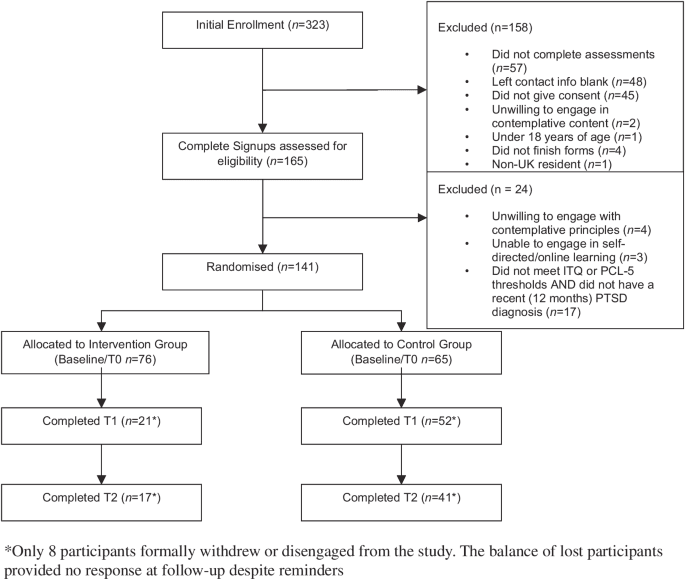
An eight-module self-guided digital program aimed at teaching nonattachment, not just relaxation, cut post-traumatic stress symptoms in a 141-person randomized trial and held its gains for 20 weeks. That makes it one of the clearer recent tests of whether a low-barrier mindfulness tool can do more than offer a calming app screen.
The intervention, called Nonattachment for Post-Traumatic Stress, or NPTS, was designed to help people relate to thoughts, memories, identity, and external circumstances without clinging to them, avoiding them, or getting fused with them. In plain language, nonattachment is not indifference. It means letting an experience be there without treating it as proof of who you are or forcing it away. That distinction matters in trauma work, where avoidance can backfire and over-identification can keep symptoms sticky.

The trial used a two-arm parallel randomized controlled design, with NPTS compared against a waitlist control. The reported results showed significant intervention effects, including reductions in PTSD symptoms measured by the PCL-5 and increases in nonattachment measured by the 30-item Nonattachment Scale, or NAS. A separate summary of the findings described the symptom reduction as large and said the effect persisted to 20 weeks, which is the kind of durability readers should look for before taking a digital mindfulness tool seriously.
The project also has a deeper paper trail. ClinicalTrials.gov lists an earlier pilot, NCT06683027, under the title Nonattachment Training for Post Traumatic Stress Recovery. That registry says the sponsor was the University of Derby, the study included an embedded qualitative arm, and recruitment was routed through PTSD UK and social media channels. The researchers behind the work include Lindsay Tremblay, William Van Gordon and James Elander, all part of a program in Derby, England, United Kingdom, that has been building out this line of trauma-focused mindfulness research.
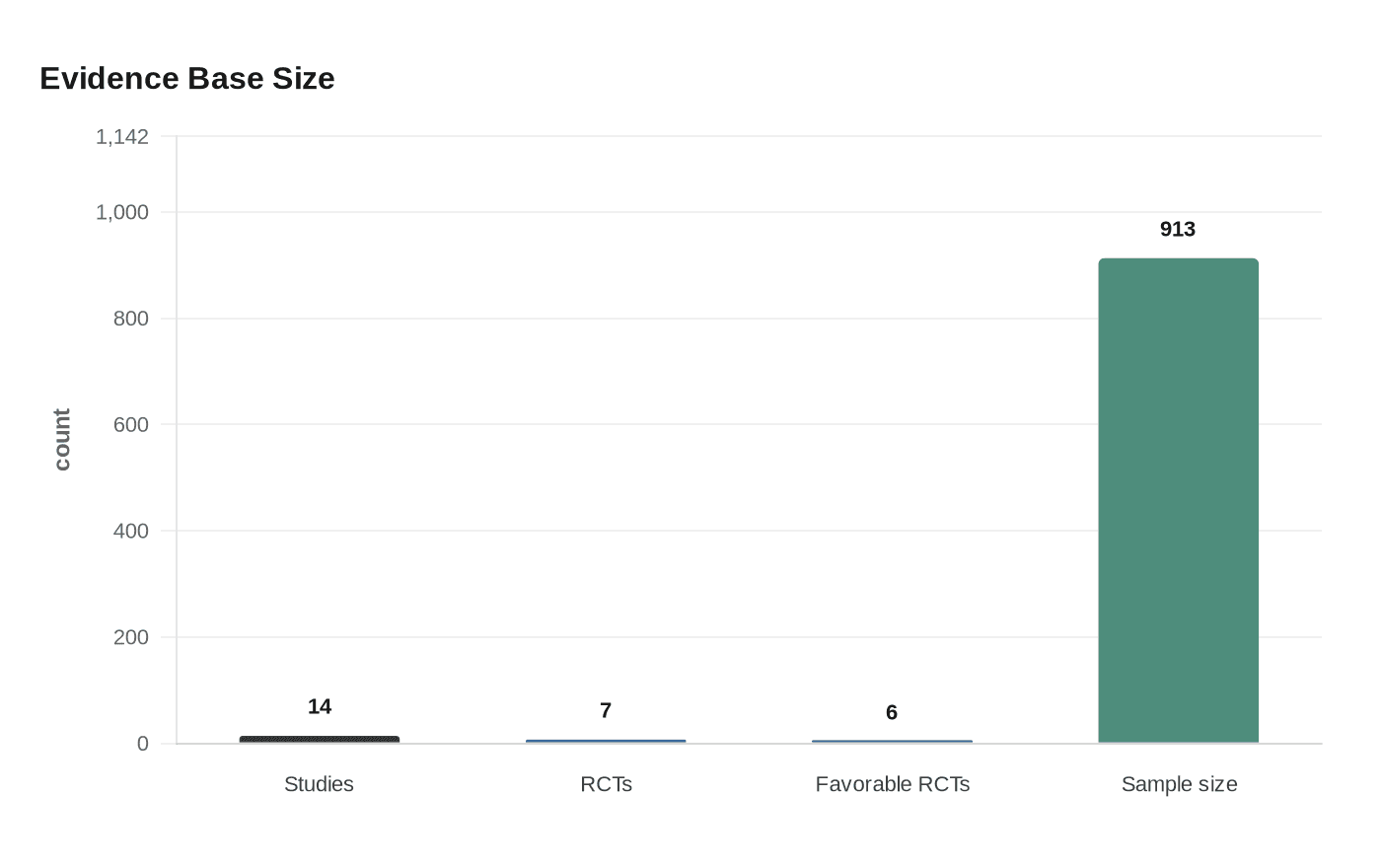
The evidence is encouraging, but it is not a green light to replace therapy with an app. The same team’s 2025 scoping review found 14 studies of mindfulness-based interventions with nonattachment elements for post-traumatic stress populations, including 7 randomized controlled trials and a total sample of 913. Those studies were promising, and 6 of the 7 RCTs favored the mindfulness intervention over control conditions, but the review also flagged familiar weak points: small samples and poorly defined randomization or blinding in some studies.
That is the right way to read NPTS. It looks most useful for people who need something structured, practical and available at home while waiting for trauma-focused care, or as a supplement to it. It is not a substitute for treatment when symptoms are severe, but it is now backed by a cleaner, more targeted evidence base than generic mindfulness language usually gets.
This article was produced by Prism’s automated news system from verified source data, official records, and press releases, then run through automated quality and moderation checks before publishing. The system is built and supervised by the people who set the standards it runs under. Read our full AI policy.
Know something we missed? Have a correction or additional information?
Submit a Tip