USC trial tests whether mindfulness boosts psilocybin therapy for mental health
USC is testing whether eight weeks of mindfulness training can strengthen psilocybin therapy, with retention at week 8 as the key feasibility test.
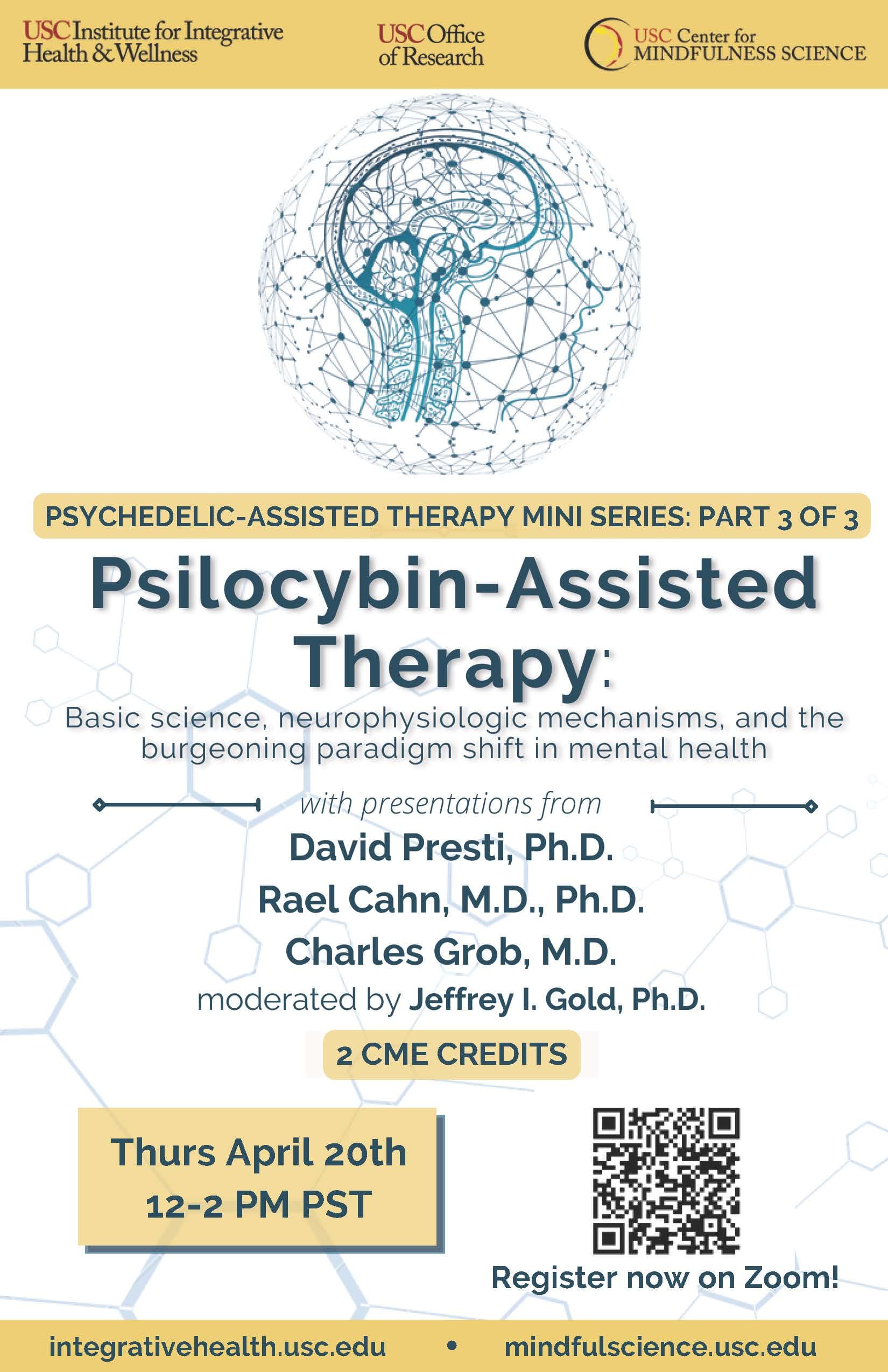
Mindfulness is moving into the psilocybin clinic at USC, where researchers are asking a blunt question: can a structured meditation curriculum improve what psychedelic therapy does for mental health? The new Phase 2 study, called Mindfulness-assisted Psychedelic Therapy, is recruiting healthy adults and is built to compare psilocybin alone with psilocybin plus eight weeks of weekly mindfulness classes.
The trial, registered as NCT06233344 and marked recruiting, is small by design, with 40 participants. Eligible volunteers are randomized into two arms. One group receives a supervised dose of psilocybin plus the mindfulness training; the other gets psilocybin without the added curriculum. Everyone completes baseline and post-treatment testing that includes questionnaires, computerized cognitive tests, and EEG measurements, then returns for follow-up surveys at eight weeks and again one year later. The main feasibility endpoint is retention at the 8-week follow-up, a sign that USC is as interested in whether this combined protocol can actually hold people as it is in whether it moves symptom scores.
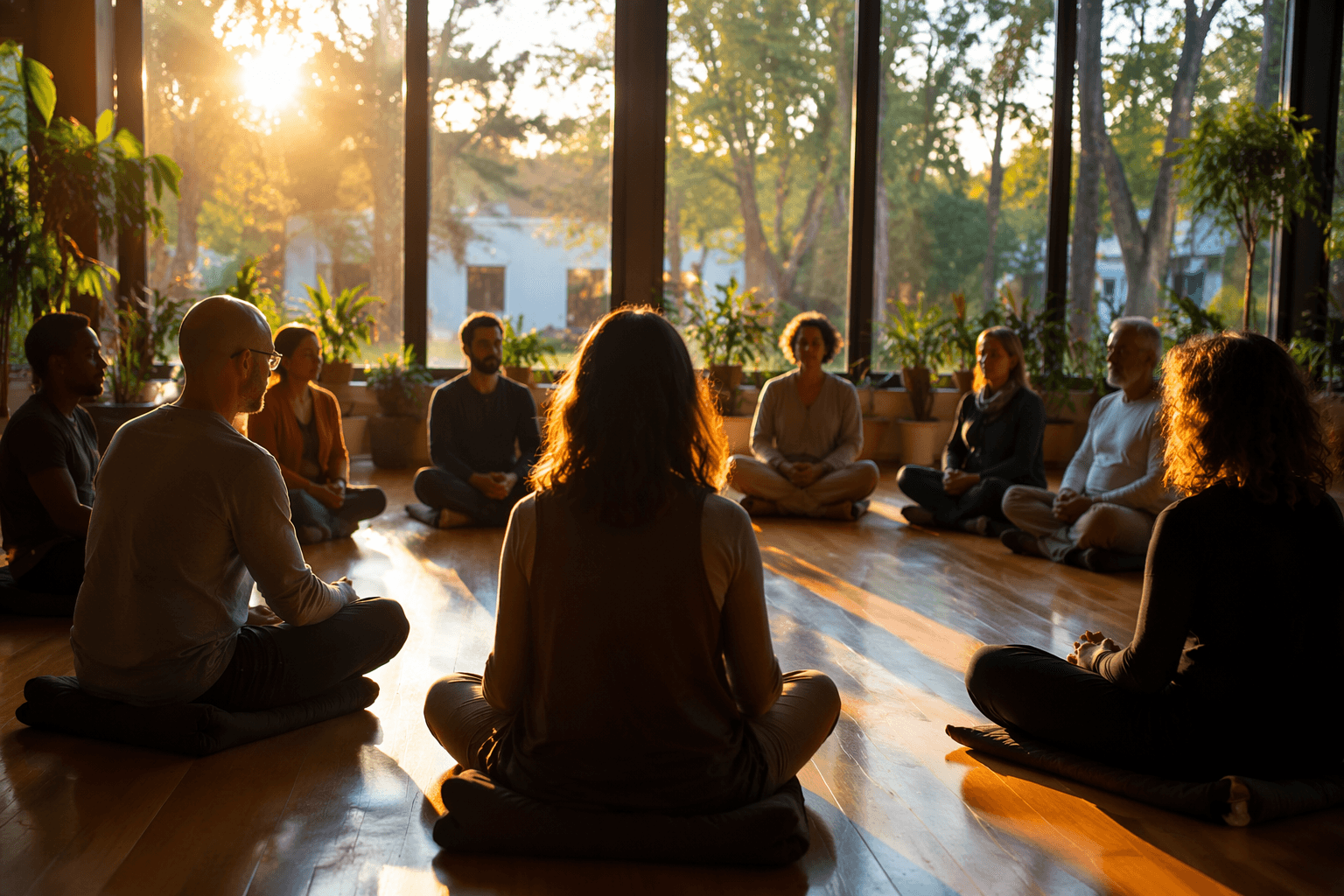
That design matters because the trial is not treating mindfulness as a vague wellness add-on. USC is testing it as a formal part of the treatment stack, alongside supervised dosing and brain-activity measures. Rael Cahn, the study’s responsible party and director of the USC Center for Mindfulness Science, has built a research line that already links contemplative practice and psychedelics. USC says his earlier PhD work used EEG to compare long-term Vipassana meditation practice with acute psilocybin effects on perception, attention, and brain activity.
The broader framing is just as telling. USC event pages describe this line of work as part of a larger conversation about mindfulness, non-duality, and psychedelic therapy, while the Institute for Integrative Health has highlighted Cahn’s studies in healthy volunteers on sensory and cognitive processing and subjective experience. The registry record was last updated Sept. 26, 2025, underscoring that this is an active program, not a one-off experiment.
There is also precedent for the basic idea. In a randomized clinical trial of frontline physicians and nurses, 25 mg of psilocybin paired with an eight-week mindfulness-based stress reduction curriculum showed safety and preliminary efficacy signals for depression and burnout. That earlier study, which enrolled participants between Jan. 2, 2023, and Jan. 16, 2024, gives USC’s new trial a concrete next step: test whether mindfulness can do more than sit beside psilocybin and whether a weekly practice can help carry people through the 8-week mark.
This article was produced by Prism’s automated news system from verified source data, official records, and press releases, then run through automated quality and moderation checks before publishing. The system is built and supervised by the people who set the standards it runs under. Read our full AI policy.
Know something we missed? Have a correction or additional information?
Submit a Tip