Duke's Longstanding MBSR Distance Program Cultivates Daily Mindfulness Practice
Duke Health launched a winter MBSR distance session to help participants build a daily meditation practice and reduce stress.

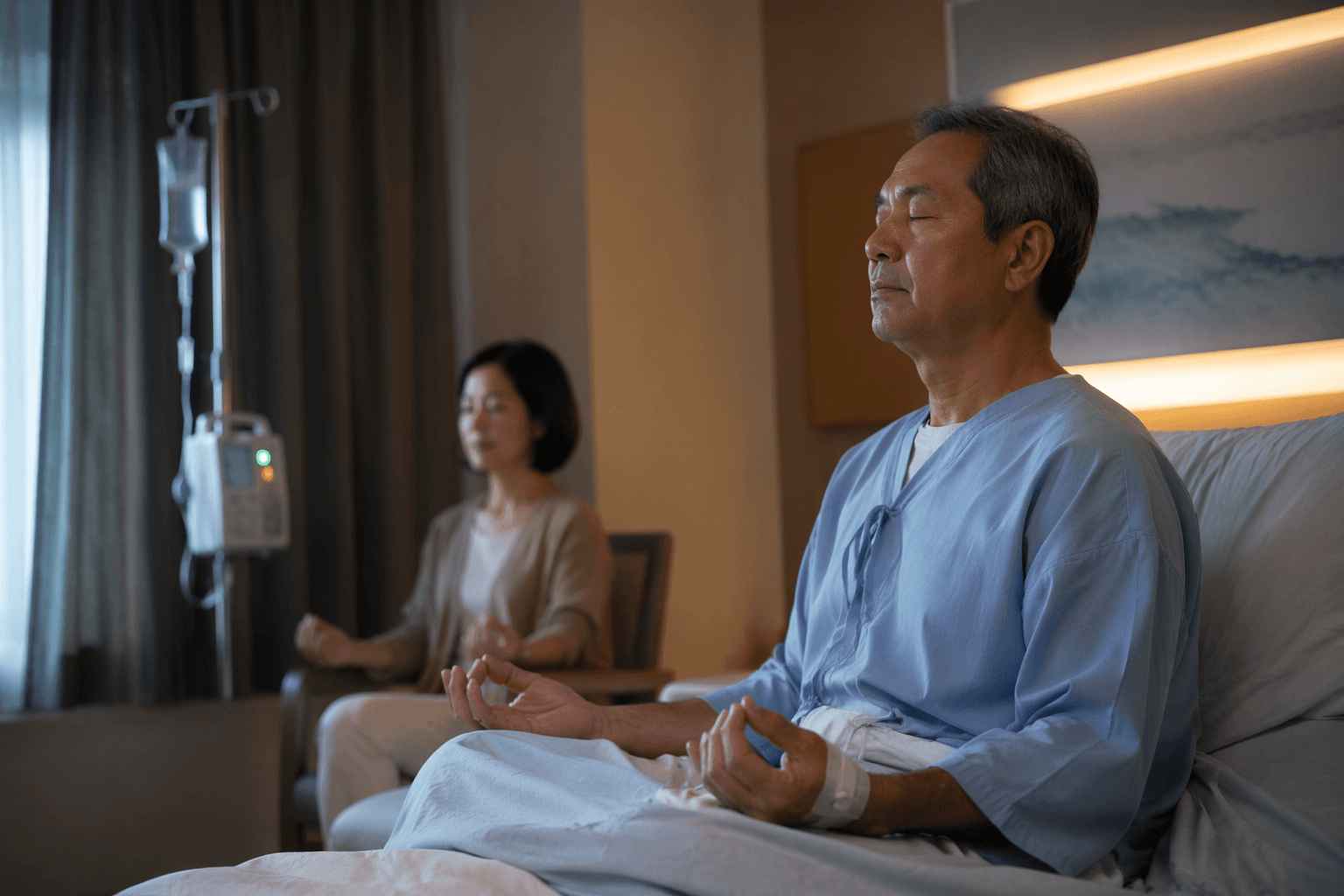
Duke Health’s longtime Mindfulness-Based Stress Reduction (MBSR) distance-learning program began a winter session that runs weekly through March 12, 2026, reinforcing the skills that teach participants how to weave daily practice into everyday life. The course, offered since 1998, combines meditation, guided practices and gentle movement to cultivate present-moment awareness and reduce stress.
The eight-week series, which started January 22, 2026, was listed with full session dates through March 12 and a program fee of $495. Registration for that session was closed. The curriculum blends formal sits, a body scan, and mindful movement (yoga) with practices designed to translate awareness into daily routines and relationships. Learning objectives include establishing a daily meditation practice, recognizing reactivity patterns and using mindfulness to shift responses, and applying mindfulness to relationships and bodily awareness.
Delivering MBSR via distance learning makes the program accessible to participants who need remote options for scheduling or mobility. Weekly online sessions provide structure for home practice and accountability, important features for those aiming to sustain a daily routine. The course’s emphasis on practical application means participants work on both formal practice - daily sits and body scans - and informal practice such as bringing mindful attention into conversations and routine tasks.
For community members already practicing mindfulness, the program offers a reliable pathway to deepen consistency; for newcomers, it provides a clear, scaffolded introduction to establishing a home practice. The combination of guided practices and gentle movement addresses common barriers such as uncertainty about technique and physical discomfort during sitting. By spotlighting reactivity patterns, the curriculum teaches skills for interrupting automatic responses - a core outcome that can reduce workplace stress, improve family interactions and support emotional regulation.
Duke Health’s program background and contact links were provided on the event page for prospective participants seeking future sessions. Given that winter registration closed, interested readers should monitor upcoming offerings and plan to enroll early, since the program’s longevity and structured format tend to fill quickly.
What this means for readers is straightforward: consistent, guided practice is available through a reputable, long-established MBSR program, and remote delivery makes building a daily meditation habit more attainable. If establishing or deepening a daily practice is the goal, this Duke course remains a practical, community-oriented option to consider for future sessions.
This article was produced by Prism’s automated news system from verified source data, official records, and press releases, then run through automated quality and moderation checks before publishing. The system is built and supervised by the people who set the standards it runs under. Read our full AI policy.
Did this article answer your question?