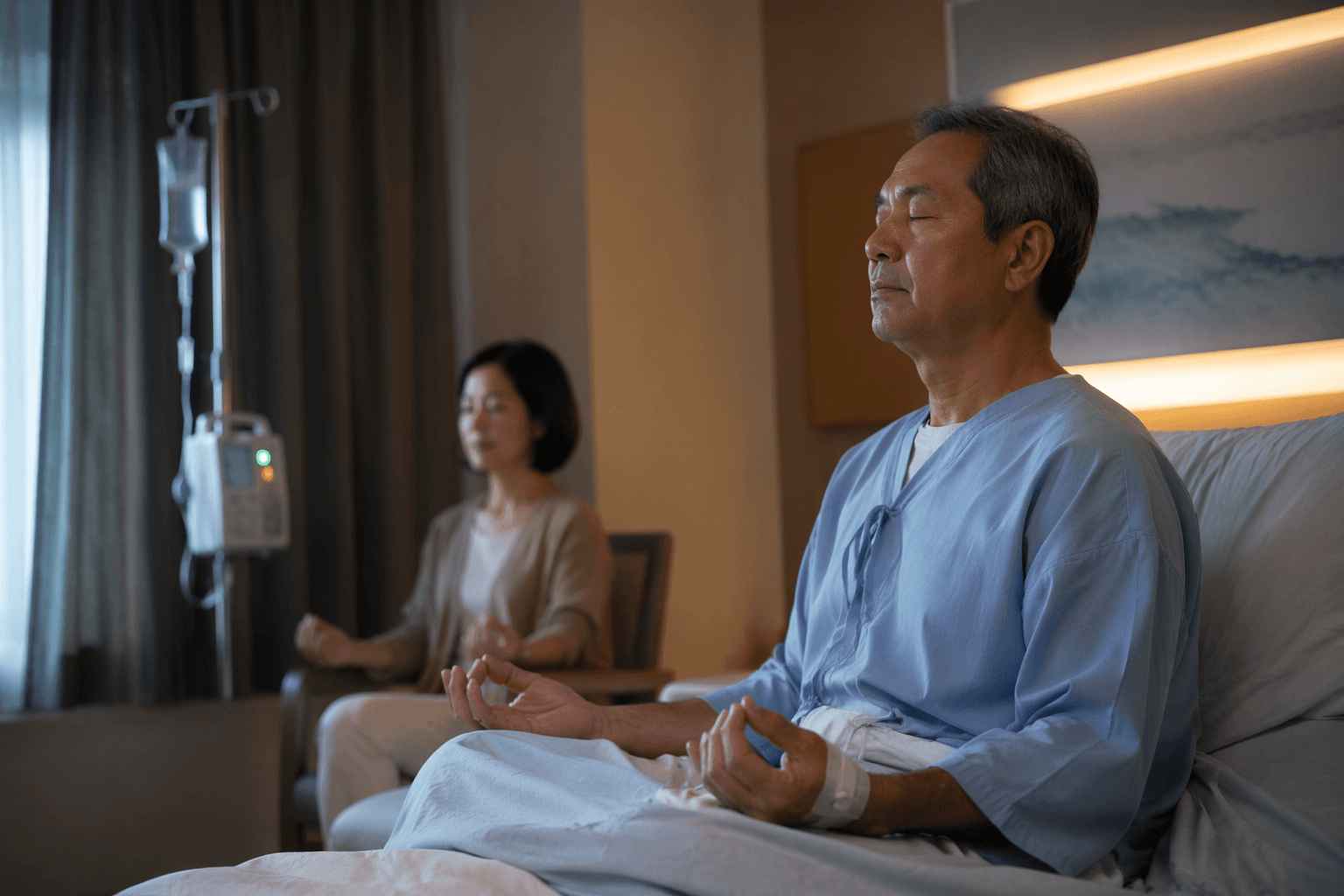
Forest Bathing Gains Renewed Attention as a Mindfulness Practice for Stress Relief
Shinrin-yoku, coined in Japan in 1982, is drawing renewed attention from mindfulness practitioners as rising urbanization and screen fatigue push more people toward structured nature-based practice.

Shinrin-yoku, the Japanese practice of deliberate sensory immersion in forest environments, is being repositioned as one of the more accessible entry points into nature-based mindfulness, drawing fresh interest from practitioners and health professionals as urban life and digital saturation intensify.
The practice, which translates loosely as "forest bathing," was coined as a formal concept in 1982 and has accumulated a growing body of research pointing to reductions in perceived stress, improved mood, and heightened feelings of connectedness. What distinguishes it from ordinary nature tourism is the quality of attention it demands: participants slow down and engage all five senses, noticing the texture of bark, the smell of damp soil, the quality of light filtering through a canopy, and the rhythm of their own breathing. That nonjudgmental, present-centered orientation mirrors the core stance of formal sitting meditation, making shinrin-yoku a natural complement to established mindfulness curricula rather than a departure from them.
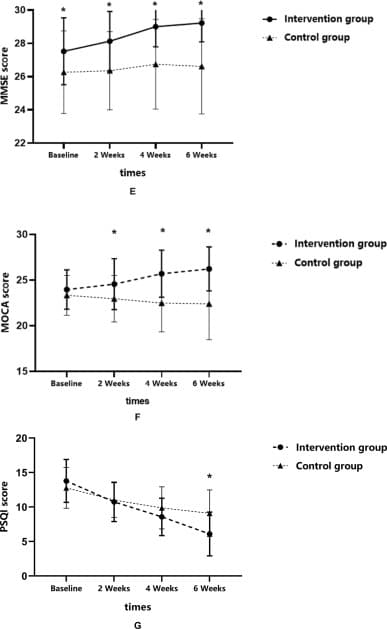
A systematic review and meta-analysis published in the International Journal of Mental Health and Addiction found shinrin-yoku effective in reducing mental health symptoms in the short term, particularly anxiety. A 2026 review indexed in PubMed extended those findings to include immune modulation and stress physiology, framing forest bathing as a preventive health tool with neurocognitive relevance. Researchers note that nature exposure and mindful attention each independently benefit markers of autonomic regulation; combined, the effects may be synergistic.
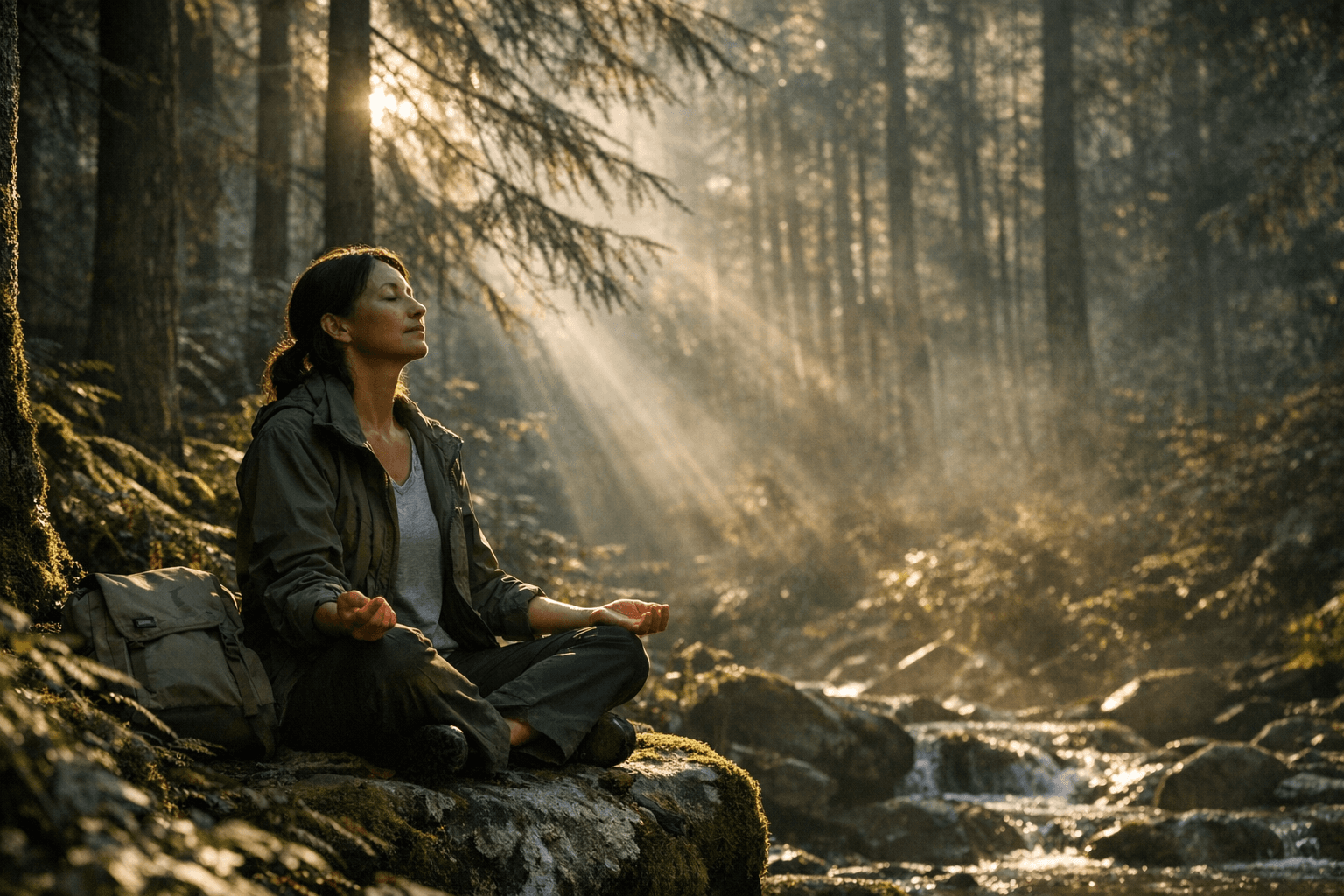
Practitioners looking to bring shinrin-yoku into community settings have several scalable formats to draw from. Short morning or lunchtime nature sits, sensory-based guided walks, and group contemplative sessions in local parks can all be adapted for community health programs without specialized equipment or remote wilderness access. That flexibility has driven cross-cultural uptake well beyond Japan, and health professionals are increasingly referencing shinrin-yoku when recommending low-risk strategies for nervous system regulation and attentional restoration. The practice is not positioned as a substitute for clinical mental health care, but as an evidence-aligned addition to the wider landscape of contemplative tools.
For community organizers, the practical challenge is designing programs that work within urban constraints: shorter formats, accessible green spaces, and sensory-awareness exercises that translate the shinrin-yoku framework to whatever nature is immediately at hand. A city park at 7 a.m., attended with the same deliberate sensory attention one might bring to a guided forest walk, carries the essential logic of the practice intact. That adaptability may be exactly why shinrin-yoku keeps gaining ground more than four decades after it was first named.
This article was produced by Prism’s automated news system from verified source data, official records, and press releases, then run through automated quality and moderation checks before publishing. The system is built and supervised by the people who set the standards it runs under. Read our full AI policy.
Did this article answer your question?