Harvard study finds advanced meditators have younger brain age
Advanced meditators in a Harvard-linked study showed a 5.9-year younger sleep-based brain age, but the result came from a small retreat cohort, not casual daily practice.
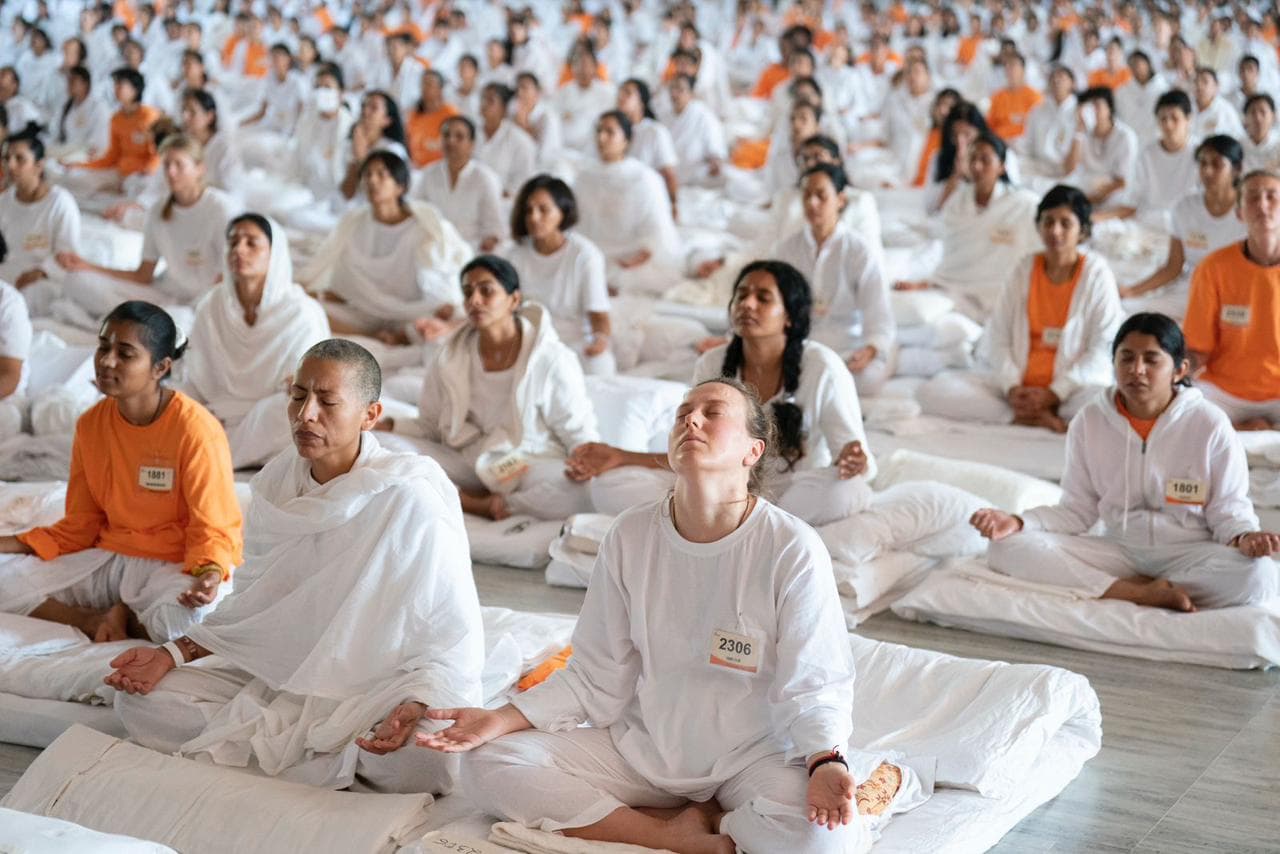
Advanced meditators in a Harvard-linked study posted a sleep-based brain age that was 5.9 years younger than expected, a striking number that sounds bigger than it is unless the dose is understood first. The result came from 34 people, average age 38, who were all attending the Samyama Sadhana retreat, a four-and-a-half-day residential program built around complete silence and long hours of meditation.
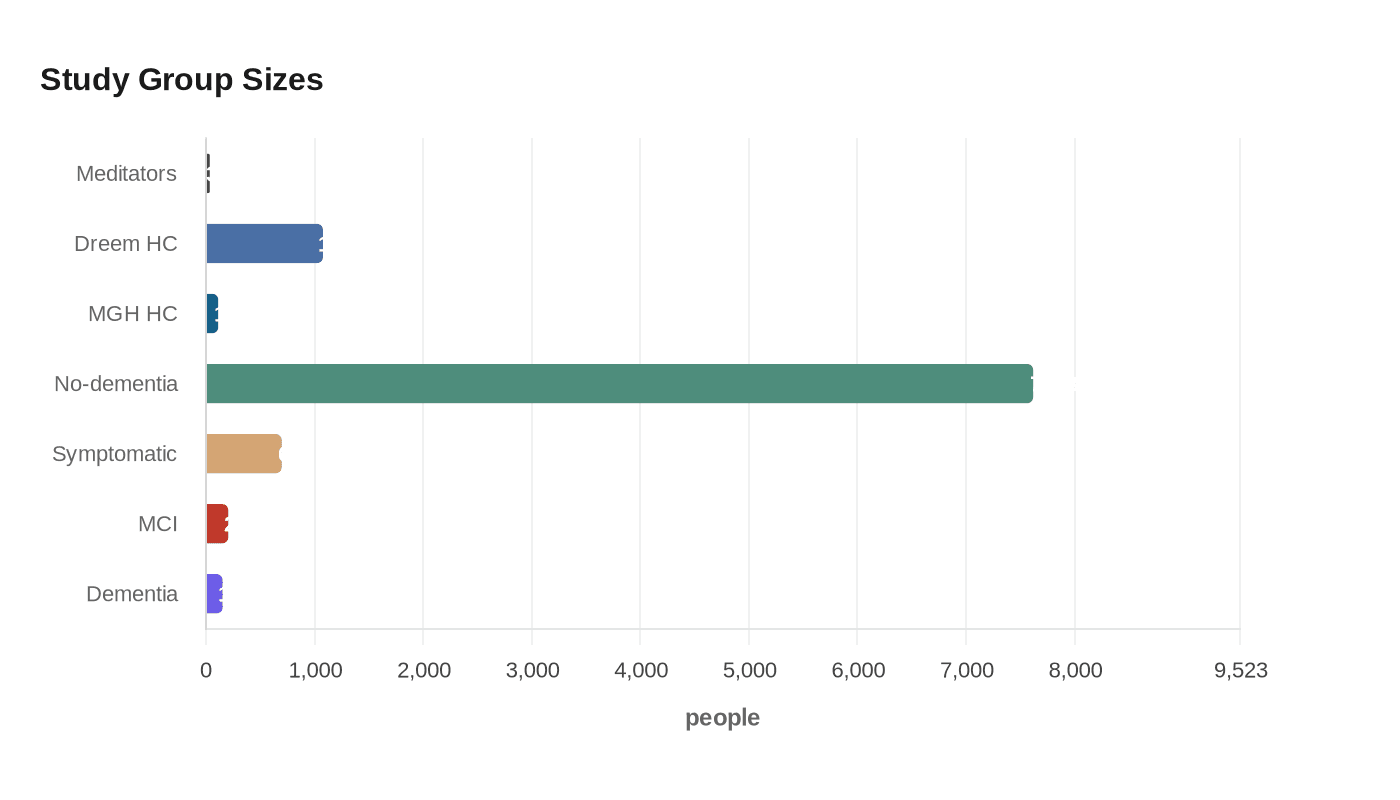
The paper, Sleep-Based Brain Age Is Reduced in Advanced Inner Engineering Meditators, was published online May 16, 2025 in Mindfulness (N Y). It used a single-site prospective cohort design running from August 25, 2021 through September 26, 2021, with participants drawn from the September 1-5, 2021 retreat. The adjusted brain age index for the meditators was -5.9 years, with SE = 0.94 and p < 0.001, compared with a much larger set of control groups that included 1,077 Dreem healthy controls, 112 MGH healthy controls, 7,618 MGH no-dementia controls, 697 symptomatic controls, 205 MGH mild cognitive impairment controls, and 153 MGH dementia controls.
That makes the headline compelling, but also highly specific. This was not a general mindfulness sample, and it was not a casual home-practice group. It was an advanced-practice retreat cohort, which is exactly why the finding reads more like an elite-practitioner signal than a result ordinary meditators should expect to duplicate after a few sessions on a cushion. The study also was not preregistered, a detail that matters when a result looks dramatic enough to travel quickly.
The meditation itself, Samyama Sadhana, is described by Isha as an intensive four-and-a-half-day residential program in complete silence. Isha says the practice is intended to help participants establish Samyama practice and reach heightened states of consciousness. In that context, the younger brain-age finding sits alongside earlier Isha-related work published in Frontiers in Psychology in 2021, which reported reduced HbA1C and systemic inflammation, an improved lipid profile, and short-term and sustained mental health improvements among Samyama participants.
Matthew D. Sacchet and the Harvard Medical School and Massachusetts General Hospital Meditation Research Program have argued that advanced meditation research is still nascent and that the field has long centered on mindfulness for stress reduction and clinical use. That broader frame is important here. The new result adds to a small but growing body of work suggesting advanced meditation may show measurable effects on brain health, yet the real takeaway is narrower than the headline: long, structured, high-intensity practice may be linked to a younger sleep-based brain signature, but this is not the same as a universal anti-aging effect for everyday meditators.
This article was produced by Prism’s automated news system from verified source data, official records, and press releases, then run through automated quality and moderation checks before publishing. The system is built and supervised by the people who set the standards it runs under. Read our full AI policy.
Know something we missed? Have a correction or additional information?
Submit a Tip