Qigong Tops Mind-Body Practices for Cancer Survivors’ Anxiety, Depression
Qigong rose to the top in a 40-trial cancer survivorship review, but yoga and Tai Chi each showed their own strengths. The best fit may depend on the symptom you want to calm.
Why this review matters
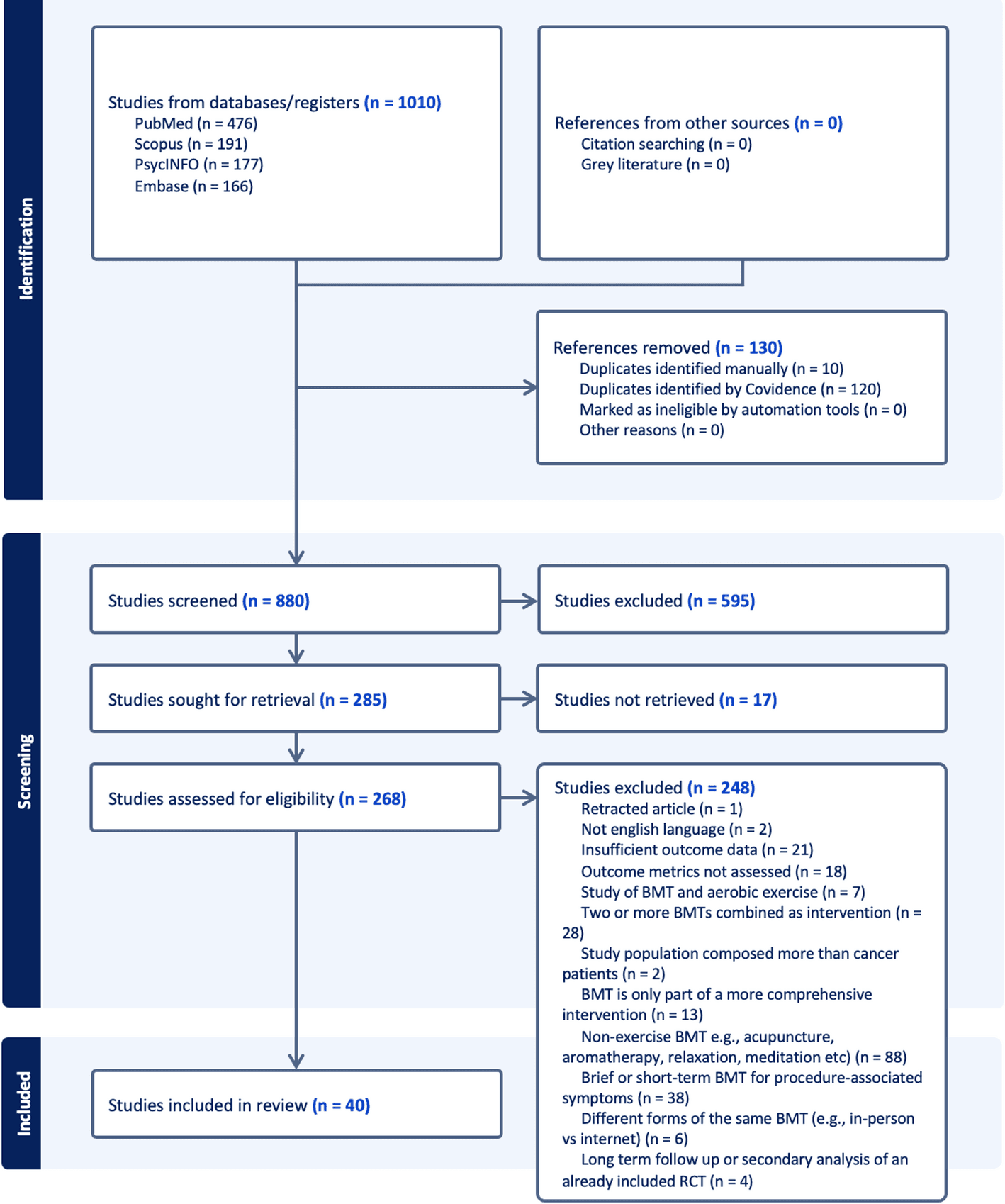
Samuel Tundealao and colleagues tackled a question that matters in the real world of cancer recovery: when anxiety and depression linger after treatment, which mind-body practice actually looks strongest? Their analysis pulled together 40 randomized controlled trials with 3,238 cancer survivors, including 752 men and 2,486 women, giving the field a much sturdier comparison than a single small study can provide.
The big value here is not just that these practices help. It is that the review compares qigong, yoga, Tai Chi, and related approaches against one another, not only against control groups. That makes the findings much more useful for anyone trying to choose a practice that fits a specific symptom pattern, whether the main problem is anxious tension, low mood, or both.
Qigong at the front of the pack
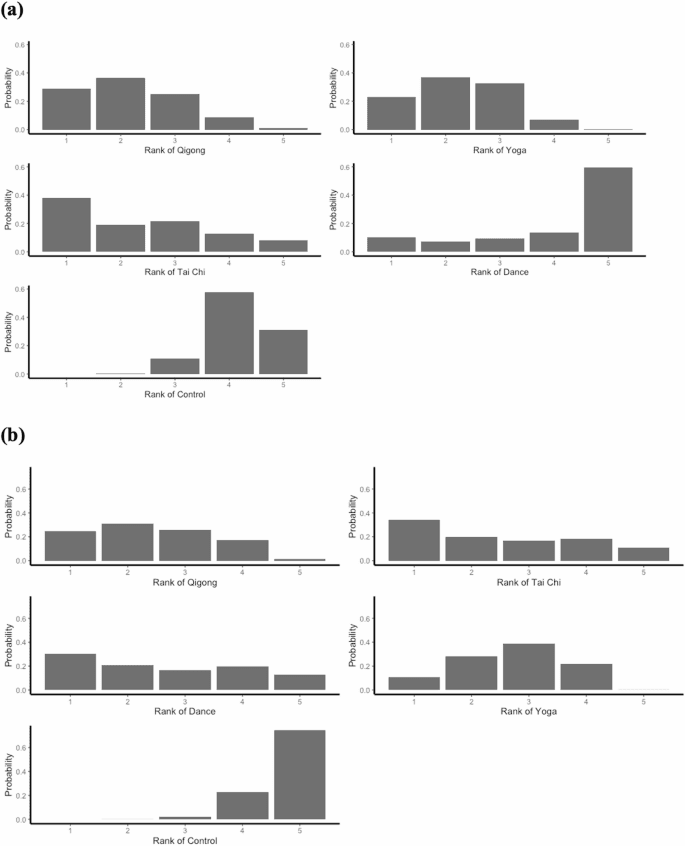
Across the full network, qigong ranked highest overall for easing both anxiety and depression. The paper used SUCRA scores to order the interventions, and qigong came out on top for both outcomes, which signals the strongest overall probability of being among the most effective options in this comparison set.
That does not mean qigong is the only answer. It does mean the field is moving beyond the vague idea that “mind-body exercise helps” and toward a more practical decision: if a survivor wants one practice with broad emotional payoff, qigong has the strongest overall ranking signal in this review.
Where yoga and Tai Chi fit
Yoga still mattered here, and in a very concrete way. It was the only intervention that showed a statistically significant improvement in anxiety versus control, and yoga also significantly improved depression versus control. That makes it especially relevant for survivors whose worry, rumination, or racing thoughts are the most disruptive part of their recovery.
Tai Chi showed a different kind of value. In the overall analysis it was among the practices with significant benefits, and in the breast-cancer-only subgroup it ranked highest for depression reduction. That matters because supportive care is rarely one-size-fits-all. A practice that looks slightly less dominant in the full sample can still be the best fit for a specific group or symptom pattern.
Why the breast cancer subgroup changes the conversation
The subgroup findings sharpen the clinical picture. When the analysis was limited to breast cancer patients, yoga emerged as the strongest option for anxiety reduction, while Tai Chi ranked highest for depression reduction. In other words, the best choice shifted depending on both the population and the outcome.
That is exactly the kind of nuance survivors, caregivers, and clinicians can use. A person who is mostly dealing with persistent worry may be steered toward yoga, especially in breast cancer care, while someone whose main struggle is low mood may find Tai Chi a better match. The point is not to crown a single universal winner. It is to match the practice to the symptom cluster.
What the study design tells us
The authors used a random-effects network meta-analysis in a frequentist framework. In plain language, that means they combined many trials while comparing several active interventions against one another in the same structure. That design is stronger than simply asking whether an approach beats no treatment, because it helps sort out relative strengths across multiple options.
That also helps explain why rank and direct significance can tell slightly different stories. Qigong had the best overall ranking, but yoga had the clearest statistically significant signal for anxiety versus control. Those are not contradictions. They are reminders that ranking, effect size, and statistical significance each answer a different question.
How this fits with broader mindfulness evidence
The new review sits inside a larger pattern that has been building for some time. The National Center for Complementary and Integrative Health says research suggests mindfulness-based stress reduction and yoga may help manage cancer symptoms and treatment side effects. The same guidance also makes the limit clear: no complementary health approach has been shown to prevent or cure cancer, and these practices should not replace or delay standard treatment.
That caution matters, but so does the positive signal. The American Cancer Society notes that practicing mindfulness, meditation, and relaxation can help calm the mind, reduce stress, and sharpen focus. A separate March analysis of 45 randomized trials and 7,395 adults with cancer found that mindfulness-based interventions significantly reduced depression, anxiety, and stress, with especially strong effects in breast cancer populations. Taken together, the evidence suggests that meditative and movement-based interventions are becoming more precise, not more generic.
A practical way to choose
For people building a survivorship routine, the most useful question is not whether a practice sounds calming. It is which practice matches the main emotional burden and can be sustained over time. The evidence here points to a simple selection logic:
- If anxiety is the dominant problem, yoga has the clearest direct control-group signal, and qigong has the strongest overall ranking.
- If depression or emotional heaviness is the bigger issue, qigong and yoga both deserve attention, while Tai Chi may be especially relevant in breast cancer care.
- If you want a practice that fits supportive care rather than replaces it, these approaches belong alongside oncology treatment and follow-up, not instead of them.
That is the real takeaway from this review. Mind-body care in cancer survivorship is getting more specific, more measurable, and more useful. Qigong leads the overall comparison, but the smartest choice is the one that matches the symptom in front of you and the person doing the practice.
Know something we missed? Have a correction or additional information?
Submit a Tip