Houses of worship adopt meditation, blending ancient practice with modern needs
Churches, synagogues and mosques across the country are incorporating meditation practices drawn from both Eastern traditions and their own historical contemplative forms, as congregations seek tools for stress relief, focus and community building. Local examples such as a weekly interfaith sit at All Saints Episcopal Church in Pasadena show how long running programs can create steady, accessible spaces for contemplative practice and foster cross faith engagement.
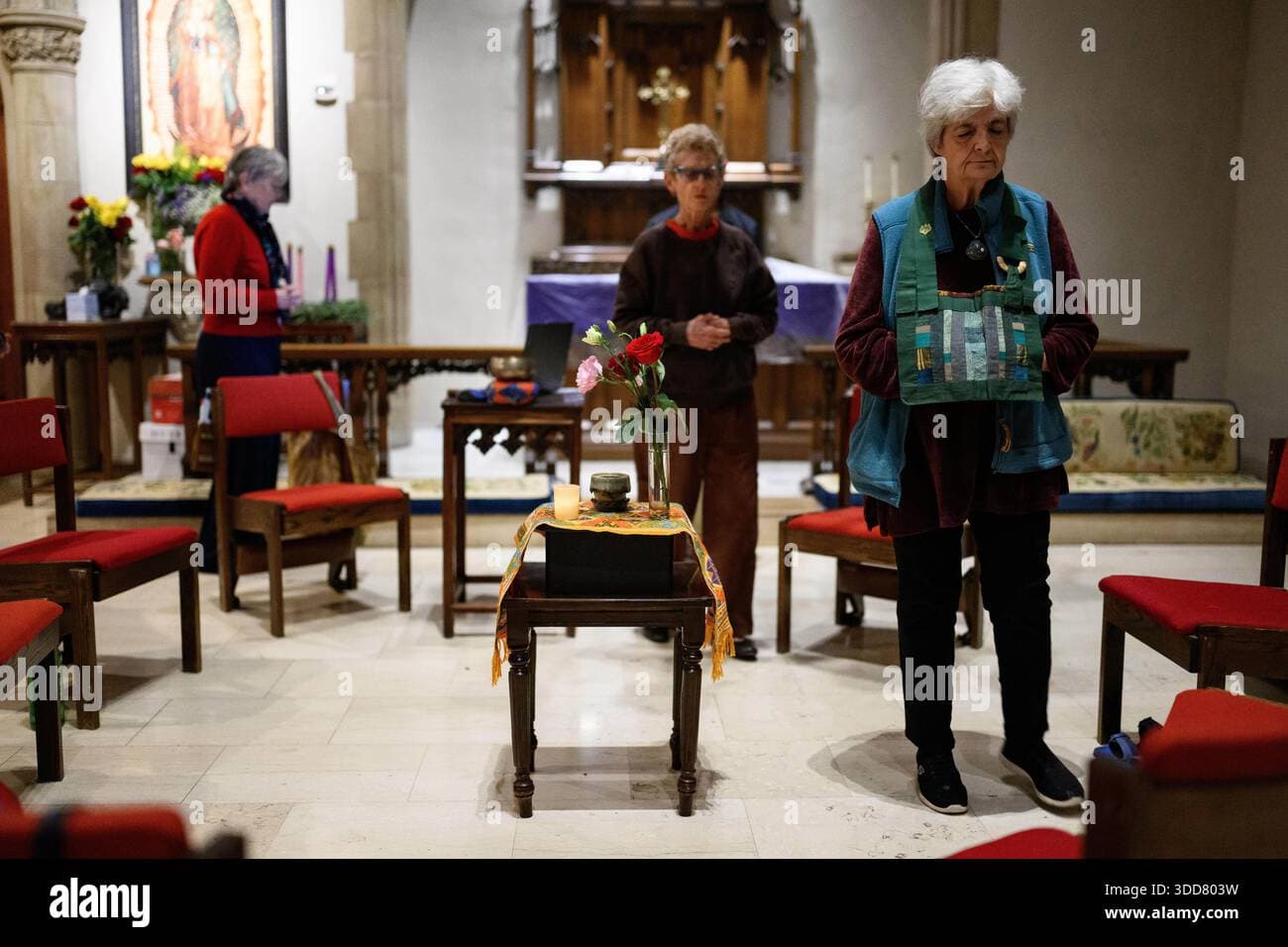
On most Monday nights the vaulted sanctuary of All Saints Episcopal Church in Pasadena becomes a place of quiet contemplation as parishioner Betty Cole leads a weekly interfaith group in seated and walking meditation. A longtime Zen practitioner and "card carrying Episcopalian," Cole began the gatherings in 2001 and says the group has evolved into a "quiet fellowship." That steady practice is one visible sign of a wider trend in which houses of worship are bringing meditation into liturgical and community life.
Across the country Christian congregations are reintroducing centering prayer and contemplative practices influenced by the Desert Fathers. Jewish communities are reviving Hasidic and Kabbalistic meditations. Muslim communities are revisiting Sufi breath work and devotional practices. University groups and interfaith programs are also important venues where people explore mindfulness and meditation outside a single religious framework.
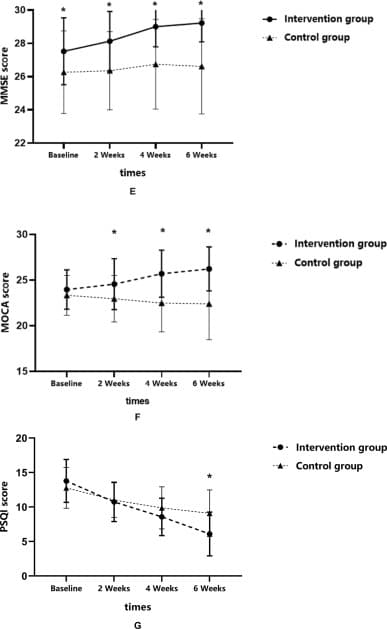
Leaders and teachers emphasize that the core of these practices is sustained attention, presence and an ethical orientation rather than a quick fix. Practitioners report improved focus, better emotional regulation and a sense of communal accountability that encourages a regular practice. For many people who do not regularly attend formal worship, meditation sessions at houses of worship offer an accessible entry point into a contemplative routine and a new way to connect with neighbors.
At the same time there are tensions to navigate. Some conservative voices warn that meditation can be perceived as incompatible with certain theological commitments, and skeptics question claims that go beyond measurable therapeutic benefits. Concerns about cultural appropriation are prominent when practices drawn from Eastern religions are presented without context or acknowledgment of their spiritual origins.
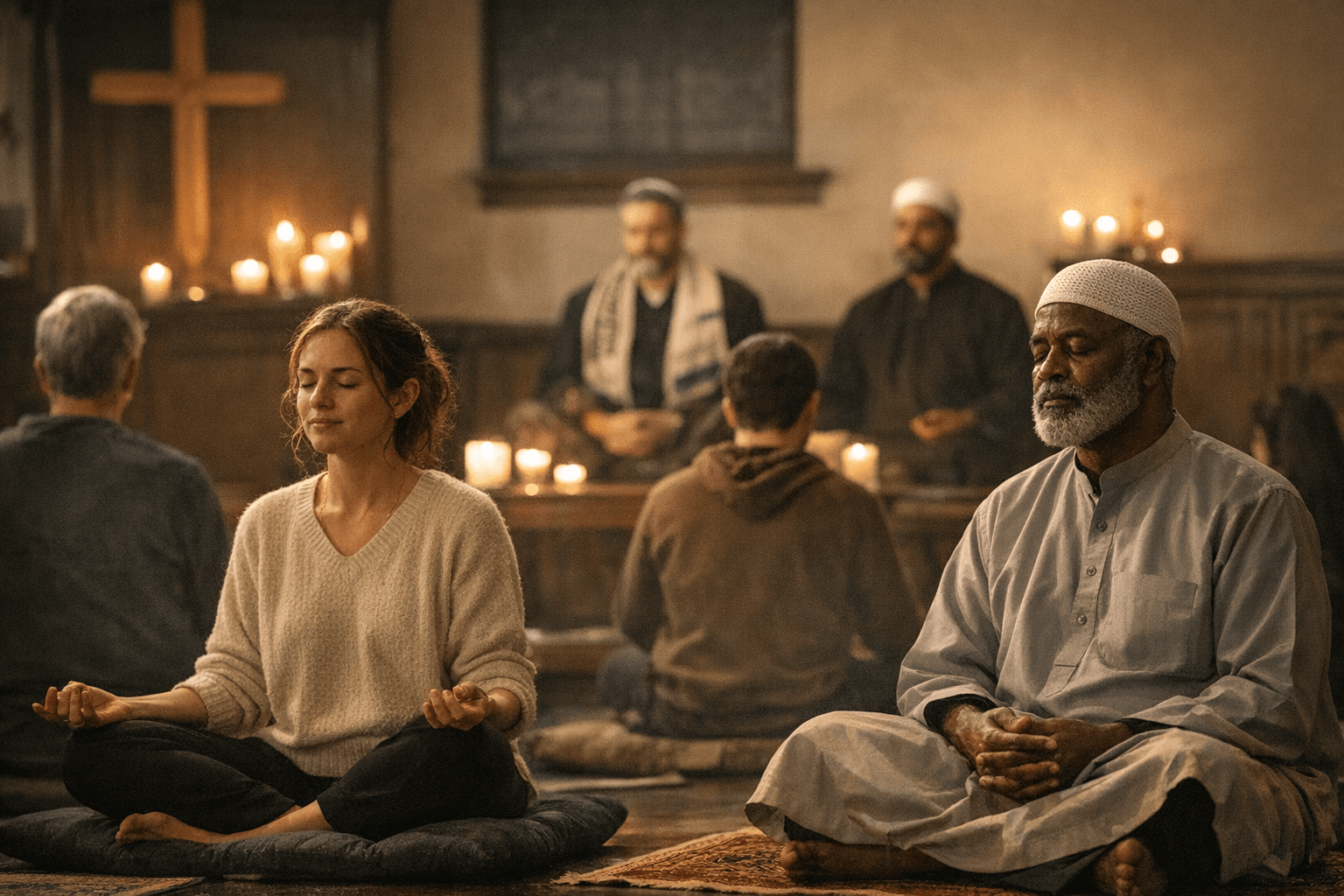
For communities planning programs, practical approaches help maintain integrity and accessibility. Present practices with clear explanations of their roots, offer both secular and faith framed options, and invite qualified teachers who respect tradition and contemporary needs. Integrate meditation into pastoral care and community programming to support mental health while preserving spiritual depth.
As stress and isolation continue to affect many people, houses of worship that offer mindful practice provide a neighborhood resource for calm, connection and ethical reflection.
This article was produced by Prism’s automated news system from verified source data, official records, and press releases, then run through automated quality and moderation checks before publishing. The system is built and supervised by the people who set the standards it runs under. Read our full AI policy.
Did this article answer your question?