Mayo Clinic's Guide to Meditation: Evidence, Benefits, and Beginner Steps
Learn what meditation does, the evidence-backed benefits, conditions it can help, and clear beginner steps to start a daily practice.
Mindfulness meditation is a practical skill you can learn that boosts focus, calms the nervous system, and supports health. Below you’ll find evidence, specific benefits, conditions where meditation can help, concise preparation and step-by-step beginner instructions, and community-minded tips to keep you going.
1. What meditation is and why it’s done
Meditation is a set of practices that train attention and awareness, usually by anchoring on the breath, bodily sensations, or a focal point. People meditate to improve focus, deepen relaxation, lift mood, enhance sleep quality, and support coping with chronic conditions. Think of it as training your attention like a muscle: with consistent practice, everyday stressors feel less reactive and more manageable.
2. Evidence base: what research shows
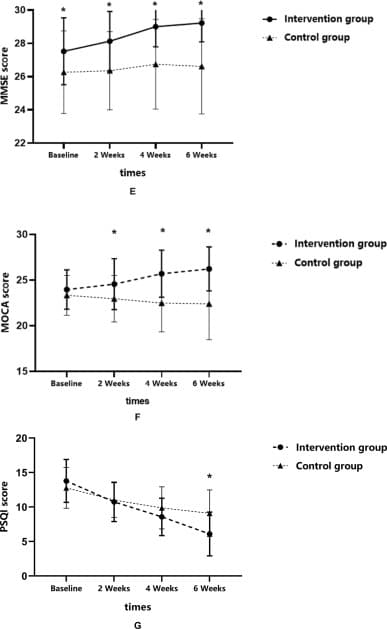
Clinical and imaging studies indicate meditation reduces stress and can change brain regions involved in attention, emotion regulation, and self-awareness. Research shows measurable reductions in stress hormones and activity in brain areas tied to threat reactivity, while long-term practice associates with structural and functional shifts. While not a cure-all, evidence supports meditation as a reliable adjunct to conventional care for several health goals.
3. Core benefits you can expect
Meditation produces several reliable outcomes: reduced perceived stress, better emotional regulation, improved focus, and often better sleep and mood. These benefits show up across short-term guided sessions and longer-term practice, and can translate into improved day-to-day functioning at work, home, and in social settings. For many people the biggest immediate payoff is a calmer baseline, less reactivity to daily friction.
4. Conditions meditation may help
Meditation can be a supportive tool for chronic pain, anxiety, and certain cardiovascular health measures, among other chronic conditions. For pain, mindfulness practices change how you relate to sensations and can reduce suffering even when pain persists. For anxiety and heart health, combined effects on stress reduction, breathing patterns, and autonomic balance make meditation a worthwhile complement to medical treatments.
5. How to prepare for practice
Find a quiet space and get comfortable, sitting on a chair, cushion, or bench works fine; lying down is okay but may increase sleepiness. Set a timer so you’re not watching the clock; beginners commonly start with 10–15 minutes and scale up as practice becomes familiar. Wear comfortable clothing, silence notifications, and treat the space as a short appointment with your attention.
6. How to start: beginner step-by-step
1. Set a timer for 10–15 minutes to create a clear, pressure-free boundary for the sit.
2. Assume a comfortable upright posture, feet on the floor or crossed on a cushion, and soften your gaze or close your eyes if that feels safe.
3. Anchor attention to the breath: notice inhalation and exhalation sensations at the nostrils, chest, or belly without altering the breath.
4. When thoughts wander (and they will), label the noticing if helpful, “thinking”, and gently return attention to the breath without self-judgment.
5. End the session by sitting quietly with eyes closed for about a minute before opening them and moving slowly back into activity. These steps keep practice simple and repeatable; consistency beats length early on.
- Start small: short daily sits (5–15 minutes) build habit more reliably than occasional long sessions.
- Use guided recordings, classes, or apps to learn form and stay motivated, guided sits help you anchor when mind chatter is loud.
- Be patient: progress is non-linear; expect frustrating days and also sudden shifts where practice feels effortless.
- Experiment with timing: some love morning sits to set the tone, others use short resets through the day to manage stress spikes. These tactics help you integrate meditation into community life, group classes, workplace wellness sessions, or informal neighborhood sits can boost accountability and social support.
7. Practical tips to stay consistent
8. Clinical context and resources
Meditation is best used as a complement to, not a replacement for, medical care when treating chronic conditions or mental health disorders. The Mayo Clinic’s overview links to references and guided resources that help translate clinical findings into everyday practice, and clinicians can advise on integrating meditation with therapy or medications. If you have a medical or psychiatric condition, check with your healthcare provider about how meditation fits into your treatment plan.
Closing practical wisdom Treat meditation like a community skill: start simple, borrow a guided sit, and stick with short daily practice until it becomes part of your routine. The payoff isn’t perfection but steadier attention, less reactivity, and tools you can use anywhere to manage stress and support health, one mindful breath at a time.
This article was produced by Prism’s automated news system from verified source data, official records, and press releases, then run through automated quality and moderation checks before publishing. The system is built and supervised by the people who set the standards it runs under. Read our full AI policy.
Did this article answer your question?