Mindful Eating Linked to Better Well-Being; UPF and Social Media Worsen PMS
Mindful eating links to better well-being while ultra-processed food and social media addiction relate to poorer PMS quality of life for women aged 18-49.

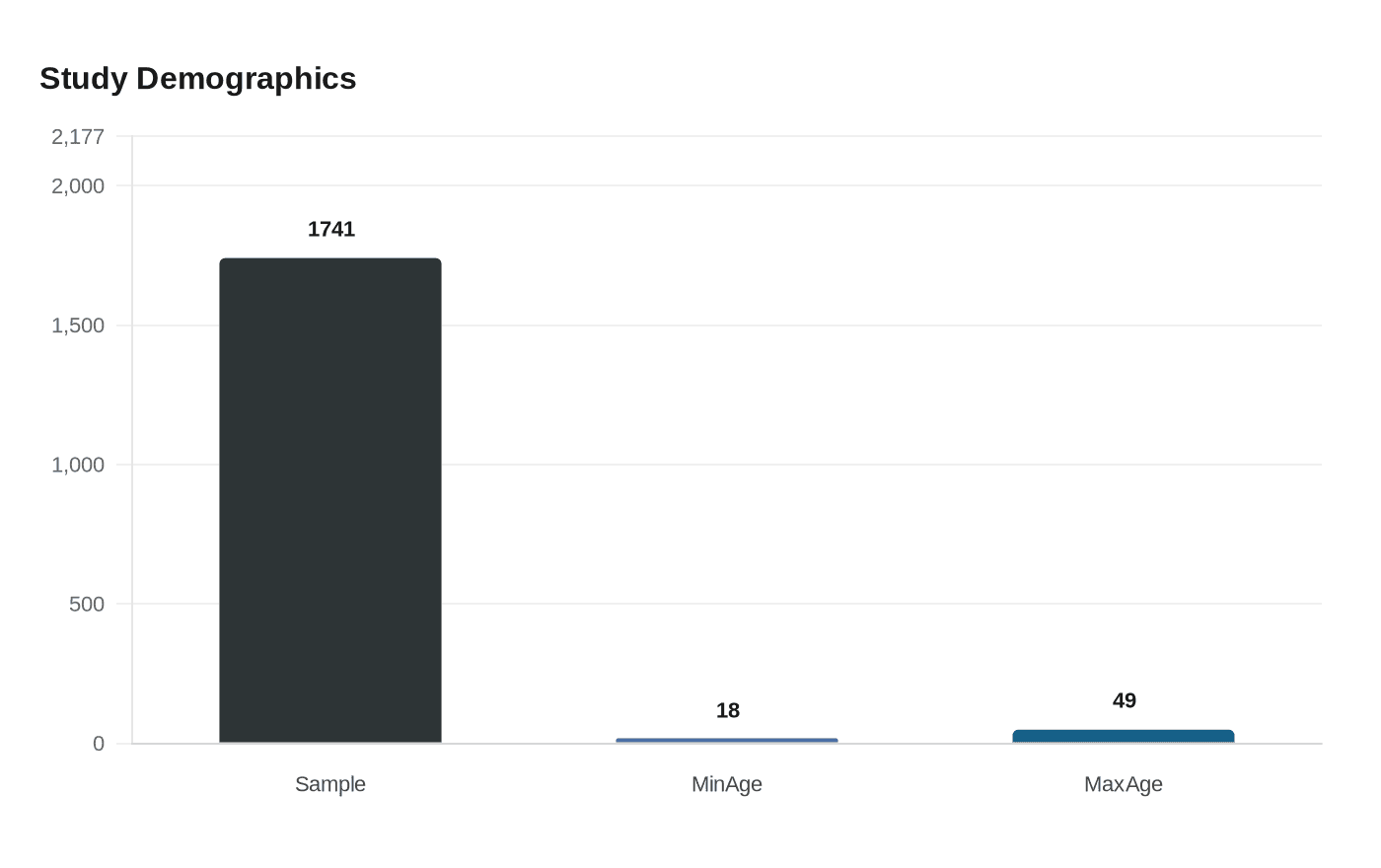
New research of 1,741 women aged 18-49 found that higher mindful-eating scores and better general well-being were associated with more favorable premenstrual syndrome–related quality of life, while greater ultra-processed food (UPF) consumption and problematic social media use were tied to worse PMS outcomes.
Researchers used an online survey to measure PMS-related quality of life with a PMS-QoL scale and assessed diets with a screening questionnaire for highly processed foods (sQ-HPF). Mindful eating was measured with the Mindful Eating Inventory (MEI), overall mental well-being with the WHO-5 Well-Being Index, and digital behavior with a Social Media Addiction Scale. The study was cross-sectional, so results describe associations rather than cause and effect.
Key statistical relationships were clear. MEI scores correlated positively with WHO-5 well-being scores and age, and negatively with social media addiction, UPF consumption, and body mass index (BMI). Linear regression models showed that PMS-related quality of life was significantly associated with BMI, UPF consumption, social media addiction, and WHO-5 scores (all p < 0.001). MEI itself was significantly associated with age, BMI, social media use time, UPF consumption, and WHO-5 (p < 0.001).
For mindfulness meditation practitioners and community teachers, these findings link an applied form of mindful awareness - mindful eating - to menstrual health and everyday well-being. The study suggests that paying attention to how and what you eat matters alongside broader lifestyle and digital habits. Practical, low-barrier interventions such as short mindful-eating exercises at mealtimes, reducing UPF intake, and setting clear limits on social media time may be relevant complements to seated meditation practice.
Community relevance is immediate. Group classes, drop-in sessions, and online workshops can incorporate simple mindful-eating drills - for example, a one-minute sensory check-in before eating, guided single-bite practices, and awareness of hunger versus habit - to help participants translate mindfulness off the cushion and into daily meals. Event organizers can also include brief modules about digital hygiene since social media addiction scores were linked to worse PMS-related QoL.
Because the study is cross-sectional, longitudinal and intervention trials are still needed to test whether mindful-eating training or reduced UPF and social media use cause measurable improvements in PMS symptoms. For now, integrating mindful awareness into eating routines offers a practical, community-driven strategy that supports both mental well-being and menstrual-related quality of life.
This article was produced by Prism’s automated news system from verified source data, official records, and press releases, then run through automated quality and moderation checks before publishing. The system is built and supervised by the people who set the standards it runs under. Read our full AI policy.
Did this article answer your question?