Mindfulness Boom Undermined by Conflicting Definitions and Flawed Measurements
Mindfulness has spread into workplaces, hospitals and millions of phones, yet experts disagree on what it means and how to measure it, leaving users uncertain about benefits and risks.
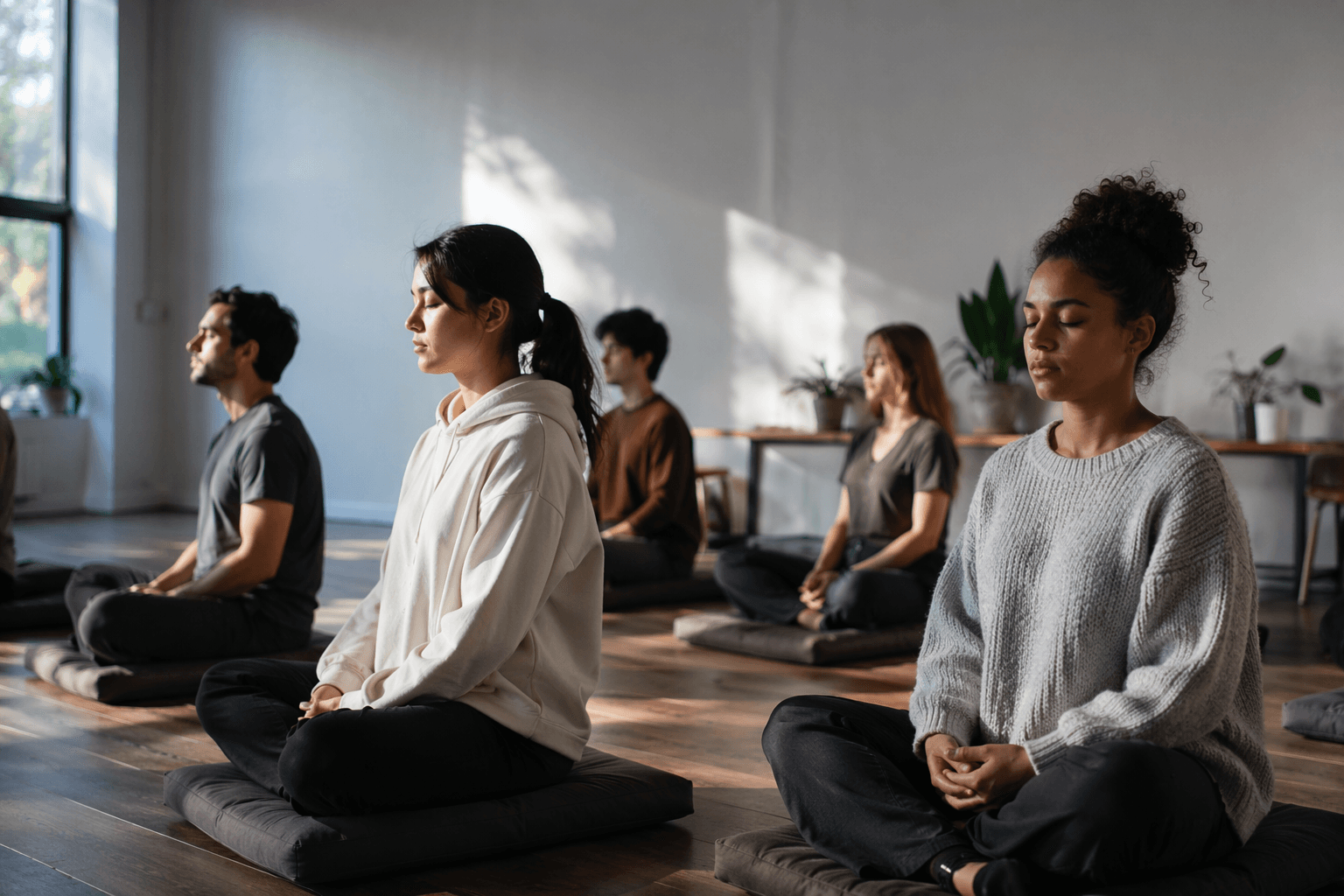
Mindfulness is everywhere - in corporate wellness programs, clinical settings and on millions of phones - but the explosion of interest has outpaced agreement on what the practice actually is and how to evaluate it. That mismatch matters because it shapes what studies show and what consumers get when they sign up for an app or a course.
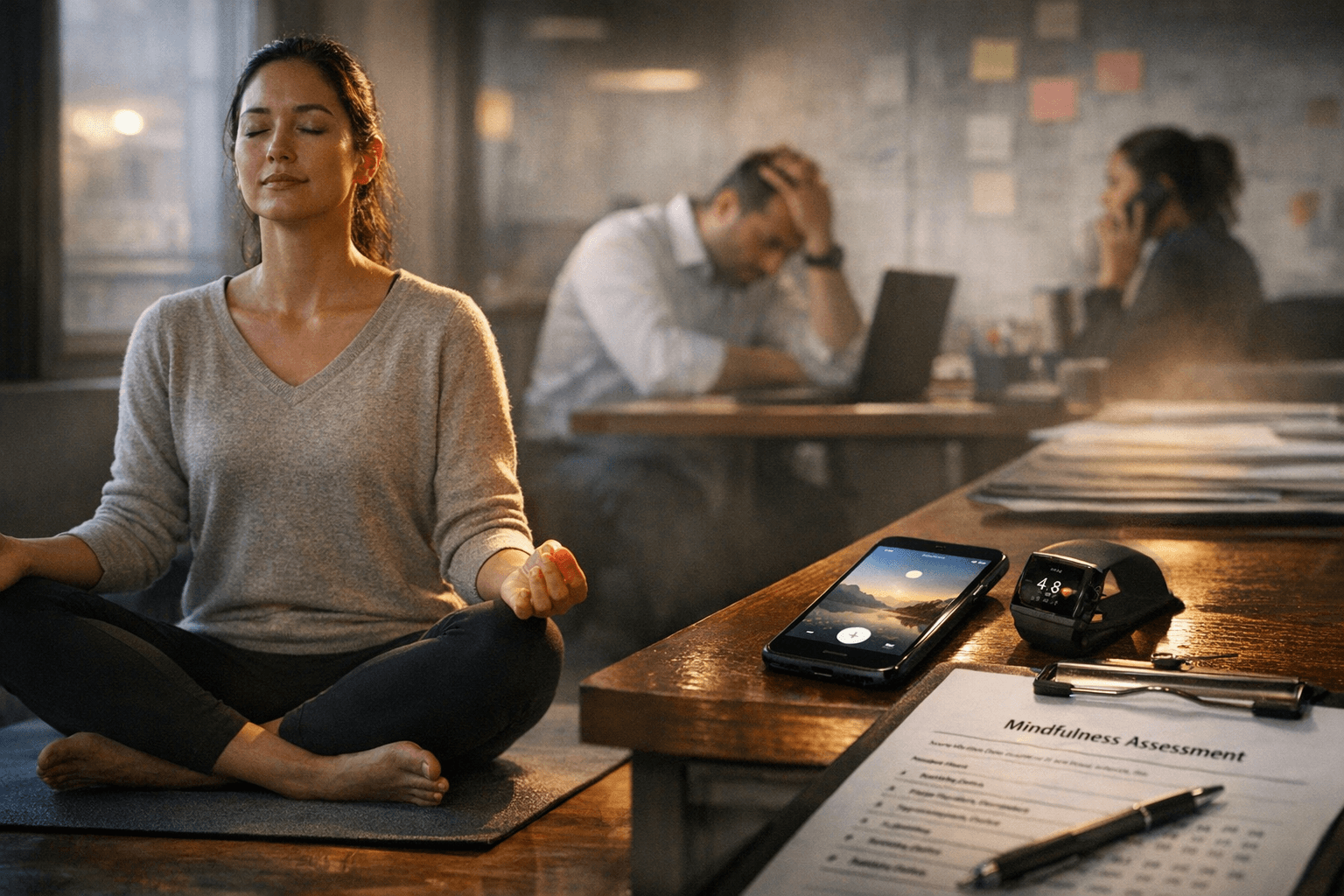
Ronald S. Green, a professor of religious studies who has examined how mindfulness is defined across traditions, warns that “Because different researchers measure different things under the label 'mindfulness,' two studies can give very different pictures of what the practice actually does.” He adds a practical caution: “The study you're relying on may be testing a skill like attention, emotional calm, or self-kindness that isn't the one you're hoping to develop.” Those definitional gaps make it hard to compare results and hard for a user to pick a program that matches their goals.
The practice’s reach helps explain the stakes. “Large companies like Google use mindfulness programs to help employees stay focused and less stressed.” Hospitals use mindfulness to help people manage pain and improve mental health. At the consumer level, “millions of people now use mindfulness apps that promise everything from lowering stress to sleeping better.” Yet scale has not produced a single scientific yardstick for what mindfulness should improve or how to measure it.
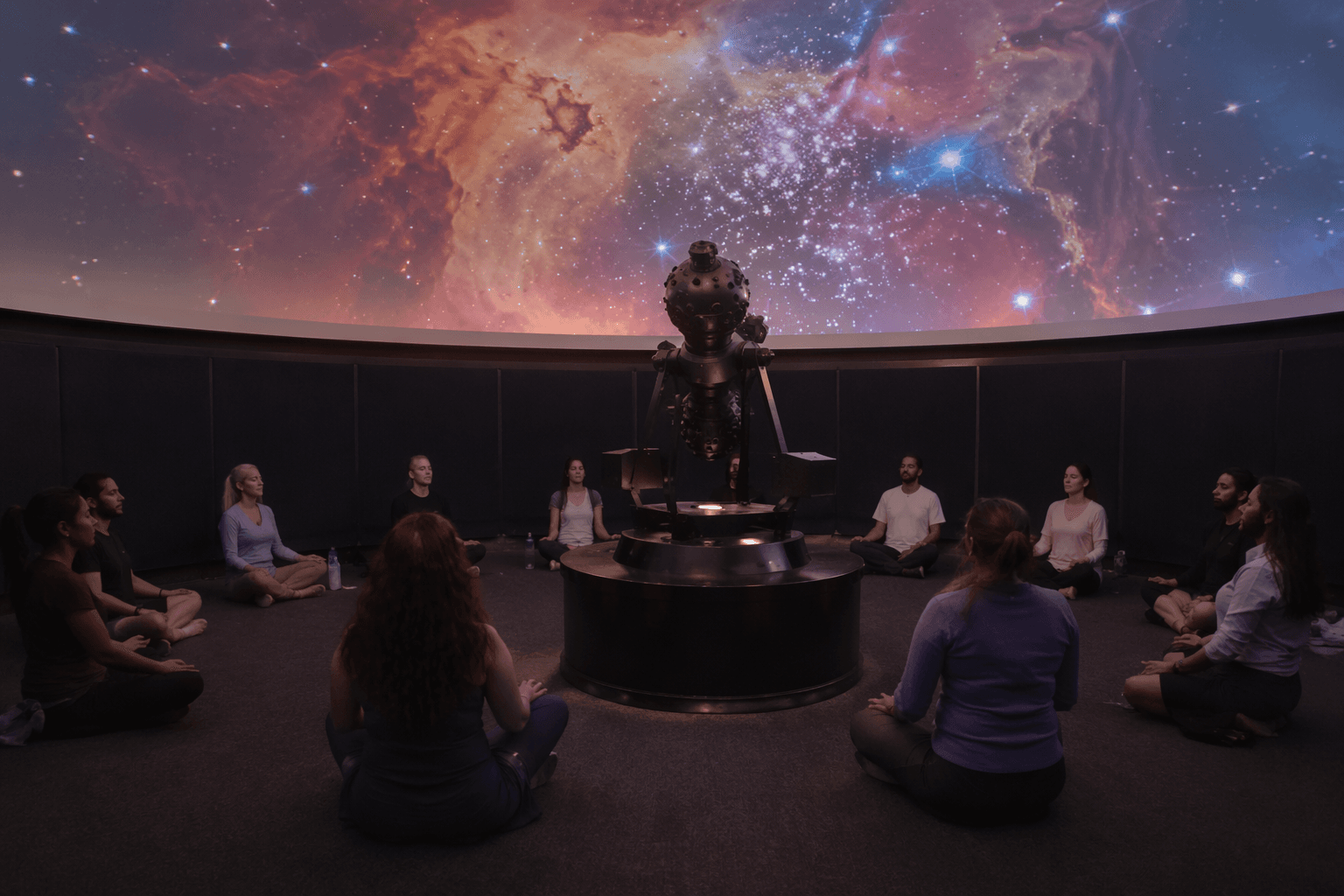
Neuroscience adds nuance and caution. New findings from a small study of 12 monks showed that “among the 12 monks, more experienced meditators displayed a smaller difference between meditative and rest modes, suggesting their meditative brain states have become similar to their resting brain dynamics.” That suggests long practice can change baseline brain dynamics, but small samples and divergent measures limit generalization.
Critics also press ethical and political concerns. Mindfulness is “derived from Buddhism” in origin, but critics argue it has been stripped of ethical teachings and packaged as a workplace-friendly palliative. “Mindfulness is nothing more than basic concentration training,” one critique reads, and the movement’s framing risks treating distress as an individual defect. Jon Kabat-Zinn has described the condition he diagnoses as a “thinking disease” and warned that our “entire society is suffering from attention deficit disorder - big time.” Others caution that “the problem is the tendency to present mindfulness as a panacea for all manner of modern ills.”
There are also reports of harm. Some meditators report anxiety, depression, delusions, and a general sense of fear, and these “possible detriments are underreported and may be more common than previously thought.” That mix of benefits and risks, combined with inconsistent measurement, leaves readers with a practical task: be explicit about what you want from practice and seek programs that measure those outcomes.
For readers who practice or recommend mindfulness, the takeaway is clear. Verify what a course or app claims to train - attention, calm, self-compassion - and ask how outcomes are measured. Watch for adverse reactions and consult clinical providers when distress appears. Expect the conversation to continue: as mindfulness spreads, debates over definitions, ethics and evidence will determine whether the boom matures into reliable, safe practice or remains a fragmented marketplace.
This article was produced by Prism’s automated news system from verified source data, official records, and press releases, then run through automated quality and moderation checks before publishing. The system is built and supervised by the people who set the standards it runs under. Read our full AI policy.
Did this article answer your question?