Mindfulness Challenges Are Real: Train Teachers, Normalize Difficult Practice
A new editorial argues that mindfulness practice can provoke real difficulties; teachers and programs must train for and normalize challenging experiences to keep practice safe and effective.
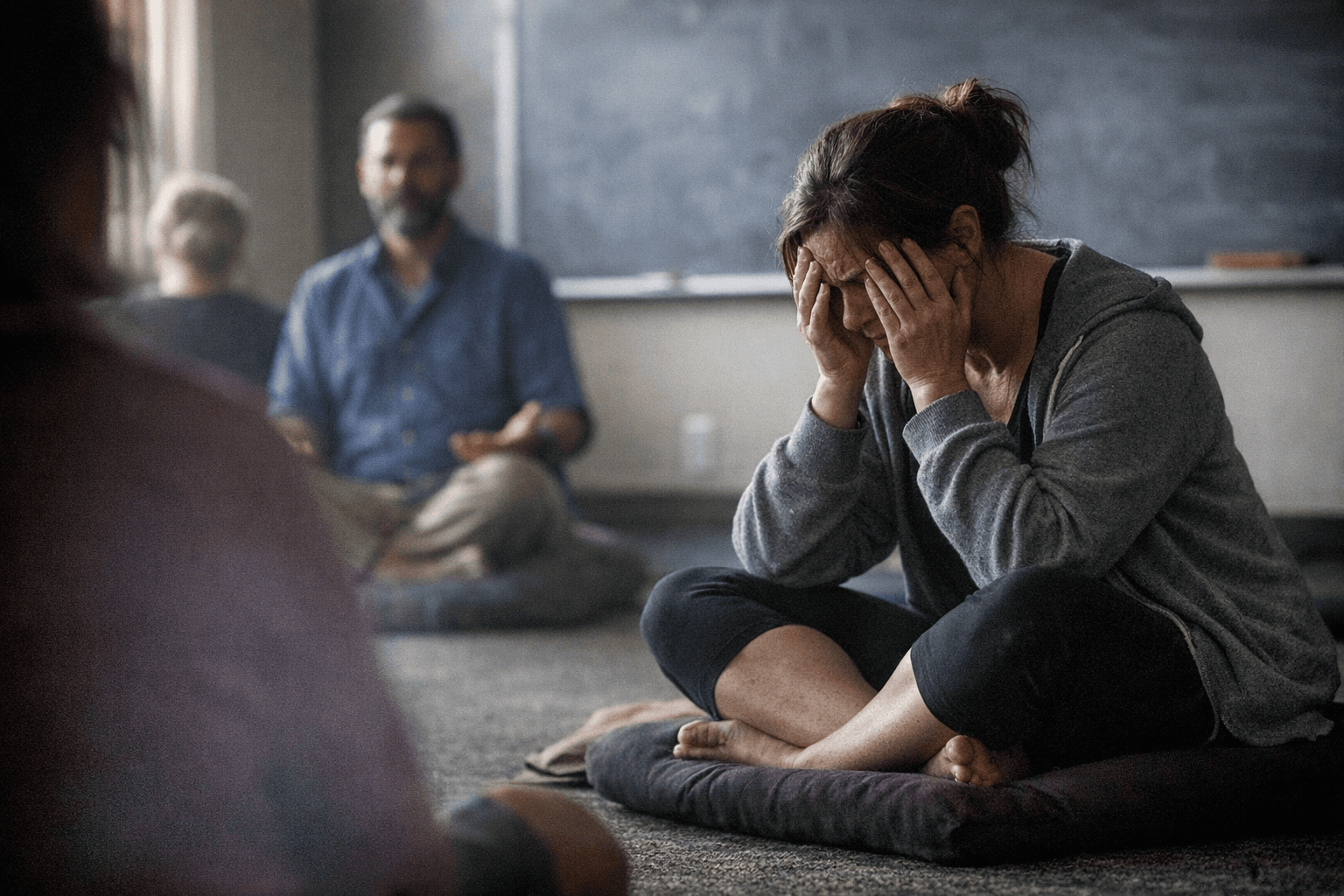
Regular meditation practice can surface intense emotions, entrenched boredom, and frustrating plateaus that leave practitioners struggling, not healed. That reality is no indictment of mindfulness benefits, but a call to change how teachers and programs prepare for the hard parts of practice.
An editorial-style piece published Jan 21, 2026 took a candid view of practice-related difficulties and urged concrete steps: name the potential for distress, train teachers to recognize and support people who experience it, and give clear guidance about when to recommend clinical or therapeutic help. The article balanced critique with evidence that mindfulness has measurable benefits, including relapse prevention and lower healthcare use for some conditions, arguing that those benefits coexist with real risks for a subset of meditators.
For teachers and program leaders the practical implications are immediate. Normalizing difficult experiences up front reduces shame and dropout; framing practice as skill development rather than an instant cure sets realistic expectations. Training should include basic skills in spotting signs of distress, offering stabilization options, and distinguishing practice-related difficulty from clinical conditions that need referral. Integration of movement-based practices, community supports, and trauma-informed adjustments can make programs safer and more accessible.
Community-level changes matter for day-to-day practitioners. If your teacher names the possibility of strong emotions and offers ways to adapt, shorter sits, guided movement, or peer check-ins, that validation can prevent isolation and escalation. Programs that build referral pathways to therapists or medical providers lower the risk that someone in crisis remains unsupported. The editorial also argued for designing courses with graduated exposure to silence and longer sits, clear consent practices, and options for participants to step out without stigma.
Researchers and healthcare partners should take note. The piece called for realistic messaging that keeps the known benefits, such as relapse prevention and reduced healthcare use, connected to careful program design. That means clinical trials and implementation studies should report adverse experiences and the supports in place, so evidence reflects real-world complexity.
For teachers, program directors, and meditators the takeaway is actionable: normalize difficulty, invest in teacher training, and integrate movement, community, and trauma-informed practices into course design. Expect continued discussion in trainings and conferences as the field adapts. In the near term, prioritize clear consent, referral agreements, and instructional language that treats mindfulness as a skill to be built, not a promised cure. That shift makes practice more honest, more humane, and more likely to help people stay in practice when it matters most.
This article was produced by Prism’s automated news system from verified source data, official records, and press releases, then run through automated quality and moderation checks before publishing. The system is built and supervised by the people who set the standards it runs under. Read our full AI policy.
Did this article answer your question?