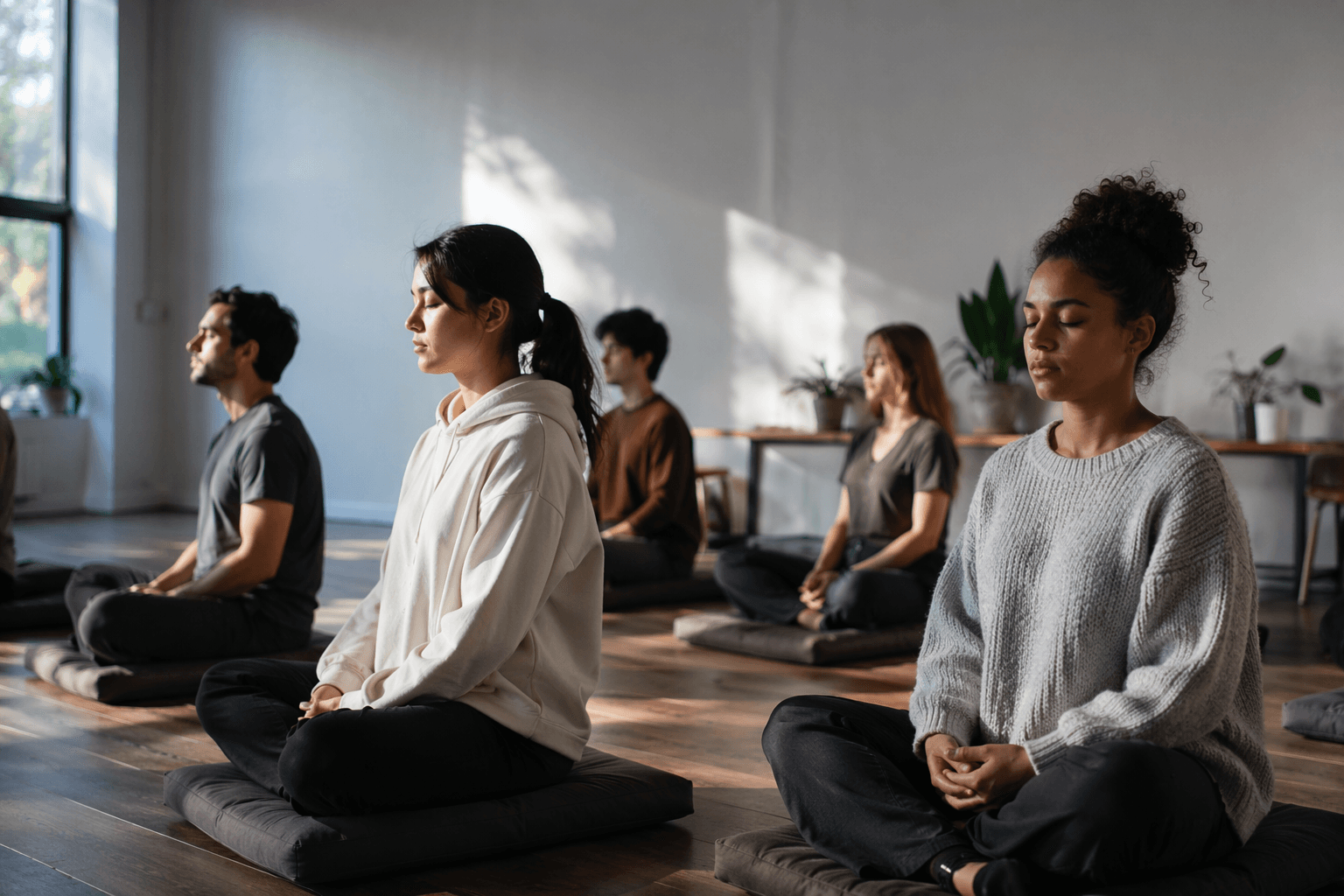
Mindfulness Practices Boost Creative Thinking: Exercises to Unlock New Ideas
Mindfulness exercises are linked to measurable gains in creative thinking and offer practical drills to spark new ideas for writers, artists, teachers, and students.

Anthony D. Fredericks, Ed.D., draws together research showing that mindfulness practice can boost creativity and offers hands-on exercises you can use immediately. A 2024 study of 894 secondary-school students found that dispositional mindfulness and brief mindfulness training were associated with improved creative thinking, divergent thinking, and creative problem-solving. Other studies of graduate students and undergraduates reported similar patterns, making a persuasive case that attention training supports idea generation across ages and settings.
Researchers point to several mechanisms that explain the link. Improved attention regulation reduces unhelpful mind-wandering and sharpens focus on novel connections. Better emotional regulation increases resilience and optimism, and greater willingness to enter flow states lowers the threshold for sustained creative work. Those changes translate into more flexible associative thinking and higher tolerance for ambiguity - two pillars of creative problem-solving.
Fredericks translates the research into short, practical practices designed for daily life. Focused-object observation asks you to spend 2-4 minutes observing a common object without labeling its parts, noting only shape, color, and texture. After the observation period, list 5-10 unusual uses for the object to stimulate associative thinking. The breath-counting creative prompt recommends sitting quietly for 4-5 minutes with a breath-count pattern of in 7, out 11, then gently posing a creative question and allowing ideas to arise without judgment. The blue marbles trick uses small tokens placed in multiple locations as micro-practice cues - each marble prompts a brief pause, a moment of curiosity, and a reset of attention that feeds idea formation.
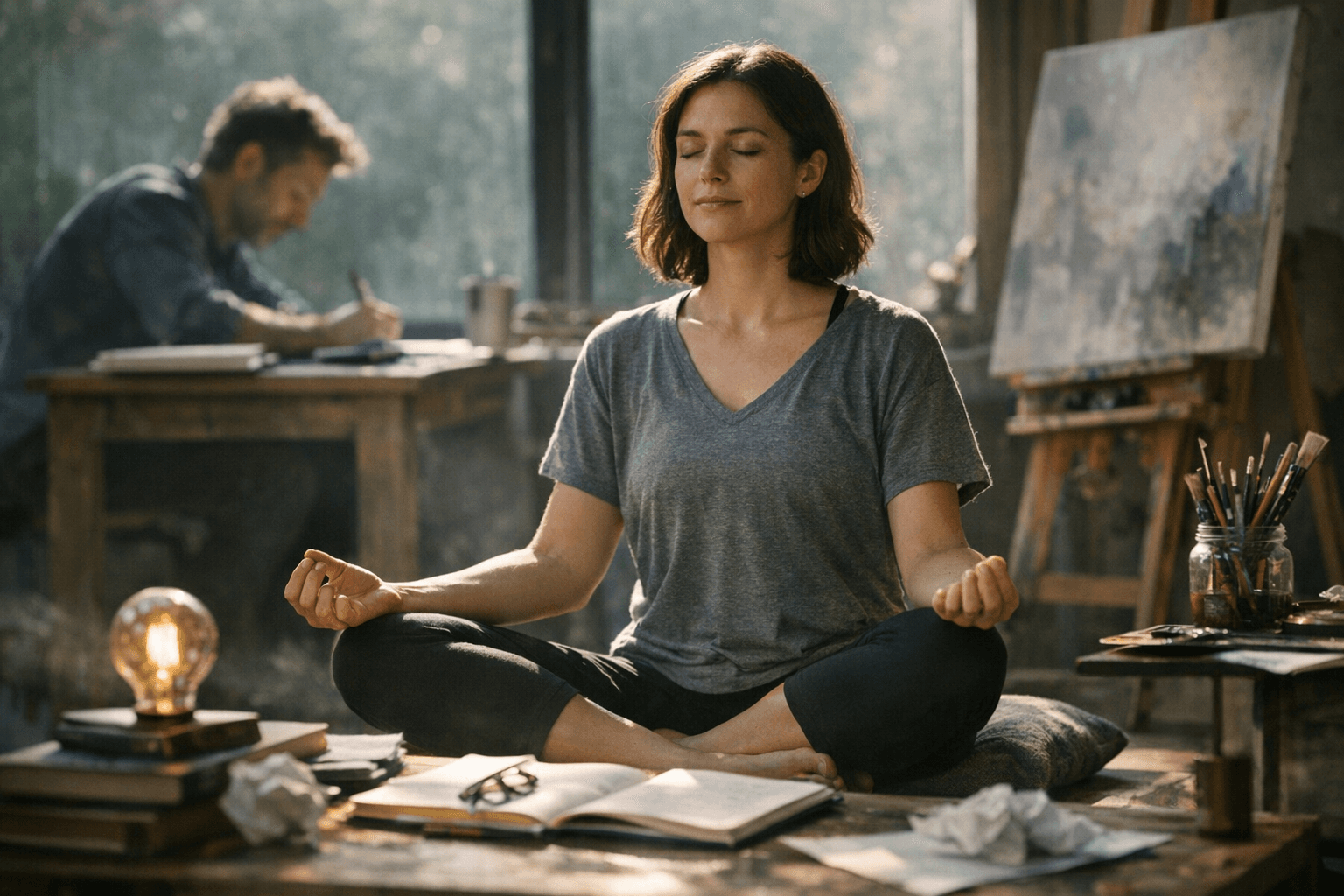
These practices are deliberately compact so you can slot them into common creative routines. Use focused-object observation as a warm-up before writing or sketching. Use the breath-counting prompt when you feel stuck mid-project to lower evaluative thinking and surface fresh associations. Carry a few small tokens to trigger micro-practices during study sessions, meetings, or studio time.
Michelle Quirk reviewed the material and supports the practical orientation of the recommendations. For the mindfulness meditation community, the takeaway is clear: brief, repeatable practices change the conditions for creativity by shaping attention and emotion. Try a short experiment over the next two weeks - practice one exercise daily, track the number of novel ideas you generate, and note moments when flow feels easier to enter. These small, science-backed shifts can pay immediate creative dividends and make it easier to sustain imaginative work over the long term.
This article was produced by Prism’s automated news system from verified source data, official records, and press releases, then run through automated quality and moderation checks before publishing. The system is built and supervised by the people who set the standards it runs under. Read our full AI policy.
Did this article answer your question?