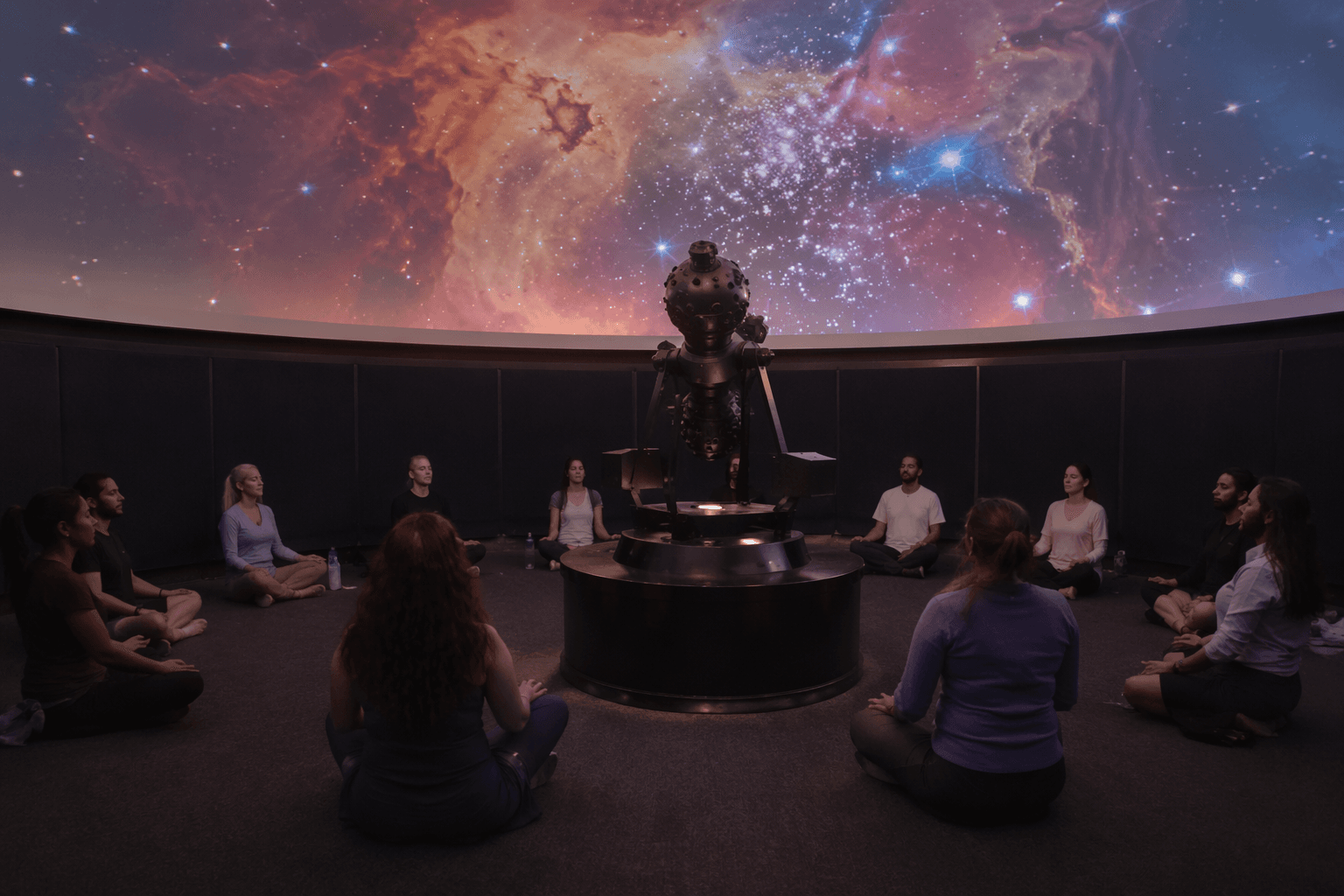
Mindfulness Still Matters, Willem Kuyken Says Backlash Misses Its Promise
Willem Kuyken says mindfulness was oversold, but the backlash misses its real use for depression, pain, illness and prevention.

Mindfulness has not run out of relevance, Willem Kuyken argues, it has run into the damage done by being marketed like a cure-all. In a Psychology Today essay published April 16, 2026, the Oxford professor says the backlash is understandable, but it should not erase the practice’s remaining value for depression, pain, illness and the grind of modern life.
Kuyken, the Ritblat Professor of Mindfulness and Psychological Science at the University of Oxford, writes from a long personal arc rather than a brand-friendly wellness script. He grew up in Nigeria, saw suffering and resilience early, and later encountered contemplative traditions while working for the World Health Organization in China, India and Thailand. That experience, he says, helped shape a career spent asking a practical question: how do people live well when depression keeps returning and hardship does not let up?
His answer is not that mindfulness solves everything. It is that the field has to get more honest about what it can do, and more serious about who can actually reach it. Kuyken argues that the main problem is no longer whether mindfulness has any useful evidence behind it. The bigger issue is delivery, prevention and access, especially for the people most likely to benefit from low-intensity support before a crisis becomes a collapse.
That argument fits the broader research picture. Oxford’s mindfulness research group says its work focuses on preventing depression, promoting mental health and human flourishing because depression often starts early in life, runs a recurrent course and existing treatments do not work for everyone. The World Health Organization said in 2025 that more than 1 billion people were living with mental health disorders worldwide, while its Mental Health Atlas 2024 drew on data from 144 countries to map service gaps, financing, workforce and telehealth.
Mindfulness has also been around long enough to survive hype cycles. Mindfulness-based stress reduction, the best-known modern program, was developed by Jon Kabat-Zinn in 1979 at the University of Massachusetts Medical Center’s Stress Reduction Clinic. Along with mindfulness-based cognitive therapy, it remains one of the two most widely adopted mindfulness-based interventions. The National Center for Complementary and Integrative Health says mindfulness meditation may help with some painful conditions, anxiety and depression, but it also notes that a 2020 review found negative experiences in 55 of 83 studies involving 6,703 participants.
Even so, the practice is far from disappearing. NCCIH says the share of U.S. adults who practiced meditation rose from 7.5% in 2002 to 17.3% in 2022. Kuyken’s point is that this should not be read as proof that mindfulness is over. It should be read as a sign that the field needs better delivery, clearer limits and a smaller ego. Mindfulness still matters, just not as a miracle.
This article was produced by Prism’s automated news system from verified source data, official records, and press releases, then run through automated quality and moderation checks before publishing. The system is built and supervised by the people who set the standards it runs under. Read our full AI policy.
Did this article answer your question?