Mindfulness therapy may shift brain network activity in ADHD
A 12-week MBCT program was tied to measurable shifts in beta power and precuneus activity in ADHD. The question now is how much brain change matches symptom relief.
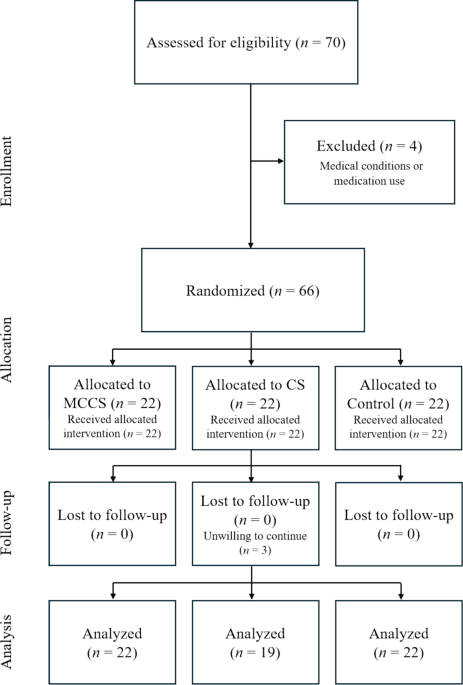
A new ADHD mindfulness paper is asking a harder question than whether people felt calmer: can mindfulness-based cognitive therapy move a brain signal tied to the default mode network? In this trial, 30 patients were assigned to MBCT and 24 to wait-list control, and the target was electrocortical activity, including beta power and precuneus involvement. That makes the study less about vibes and more about whether mindfulness can alter the neural machinery behind mind-wandering, distraction, and the constant off-task pull that makes attention hard to hold.
What the study is measuring
The basic neuroscience here is familiar to anyone who has spent time around ADHD research: the default mode network tends to come online when the mind drifts inward, while task-positive networks help keep attention anchored to the job in front of you. A 2022 mega-analysis found significant ADHD-related differences in how those systems interact, especially between the default mode network and task-positive networks, but the effects were small. That matters because it suggests subtle, measurable network differences rather than a single dramatic brain defect, and it keeps the focus on how attention slips, how executive control gets taxed, and why task-switching can feel so expensive.
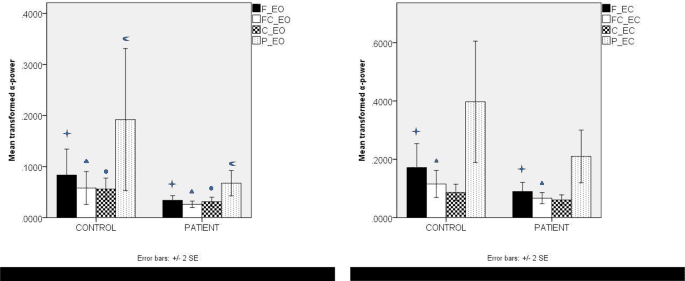
The new paper leans into that framework instead of relying only on symptom checklists. Its keywords point straight at the mechanism under the microscope, with EEG recorded in eyes-open and eyes-closed conditions and signals tracked through beta power, gamma power, and the precuneus. In plain English, the study is looking for an objective brain-pattern shift, not just a better score on a questionnaire, which is exactly the kind of move that could help mindfulness science get closer to biology rather than staying trapped in self-report alone.
Why the mechanistic angle matters
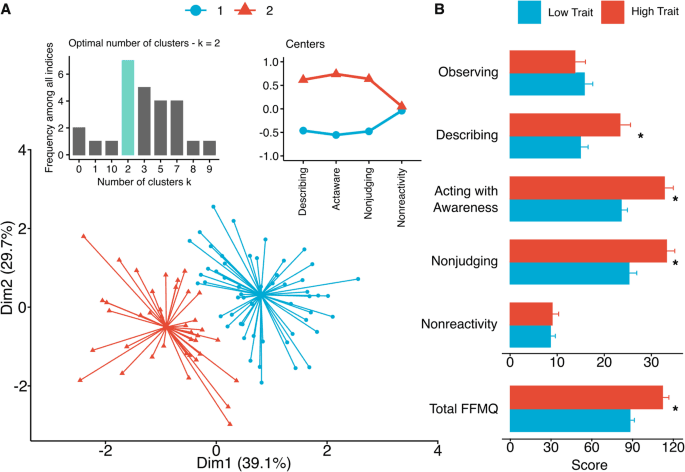
That shift from “did you feel better?” to “did the network actually change?” has been building for years. In healthy meditation-naive adults, a 2022 resting-state study found that 31 days of mindfulness meditation training changed connectivity among large-scale brain networks, including the default mode network and salience network. Separate work on spontaneous mind-wandering has also tied default mode network variability to wandering thoughts and to lower acting-with-awareness mindfulness scores, which is the daily-life version of the same story: when the brain slips into internal chatter at the wrong moment, attention goes with it.
Seen that way, the ADHD question gets sharper. If MBCT can nudge default-mode-related activity in the direction of better task engagement, it would support a mechanism beyond “mindfulness makes me feel calmer.” It would suggest a possible pathway for why a person can sit through a meeting, finish a paragraph, or resist the urge to tab-hop when the brain starts drifting. That is the practical payoff researchers are chasing when they talk about network dynamics instead of just symptom reduction.
Where this fits in the MBCT evidence base
This is not the first time MBCT has been tested in ADHD. A mixed-method pilot study led by Lotte Janssen, Sevket Hepark and Anne E. M. Speckens enrolled 31 adults with ADHD, found a 16% dropout rate, and reported reduced ADHD symptoms along with better executive functioning, self-compassion and mental health. A randomized trial in college students went further on the numbers, assigning 54 undergraduates ages 19 to 24 to MBCT or wait-list in a 6-week program and finding higher response rates, less anxiety and depression, and stronger sustained attention in the MBCT group.
The mechanistic line has kept moving, too. In 2025, Reza Meynaghizadeh Zargar, Sevket Hepark and Poppy L. A. Schoenberg used resting-state EEG microstate analysis in 61 adults with ADHD randomized to 12-week MBCT or wait-list control, then linked brain changes with symptom improvement, mindfulness skills, quality of life and executive function. The study even reported that machine-learning models predicted individual treatment response with 83% accuracy, which shows how far the field has moved from simple before-and-after surveys toward treatment signatures that can be measured.
What the reviews say, and what they do not
The broader review literature is encouraging but still cautious. A 2022 systematic review found mindfulness-based interventions were more effective than waiting lists for ADHD symptoms in adults and children, and a 2025 BMJ umbrella review found that mindfulness in adults showed large effect sizes for ADHD symptoms, but with low-certainty evidence and no high-certainty long-term evidence for any intervention. That is a useful tension to hold onto: the signal is real enough to keep studying, but not so strong that it should be mistaken for a cure-all.
The public health backdrop explains why that caution still comes with urgency. The CDC says ADHD estimates vary depending on the data source and dataset used, the NIMH says U.S. childhood diagnoses increased 42% between 2003 and 2011, from 7.8% to 11.0%, and CHADD cites 2023 survey-based estimates showing 15.5 million U.S. adults, or 6.0%, have a current diagnosis. That is a lot of people living with a condition where attention, executive function and task completion can make ordinary days feel fragmented.
The clean read on this study is simple: MBCT is no longer being discussed only as a way to feel less stressed. It is being tested as a way to shift the brain’s default pull away from wandering and back toward the task at hand, and that is a much more interesting question for ADHD. For practice this week, the useful lens is to notice not just whether a session feels peaceful, but whether you catch your mind drifting sooner and return to the task with less friction.
This article was produced by Prism’s automated news system from verified source data, official records, and press releases, then run through automated quality and moderation checks before publishing. The system is built and supervised by the people who set the standards it runs under. Read our full AI policy.
Know something we missed? Have a correction or additional information?
Submit a Tip