Mindfulness Training Boosts Psychological Resilience in International Standard Dancers
A randomized trial of 120 International Standard ballroom dancers found 12 weeks of mindfulness training raised psychological resilience, mindfulness scores, and judged technical performance.
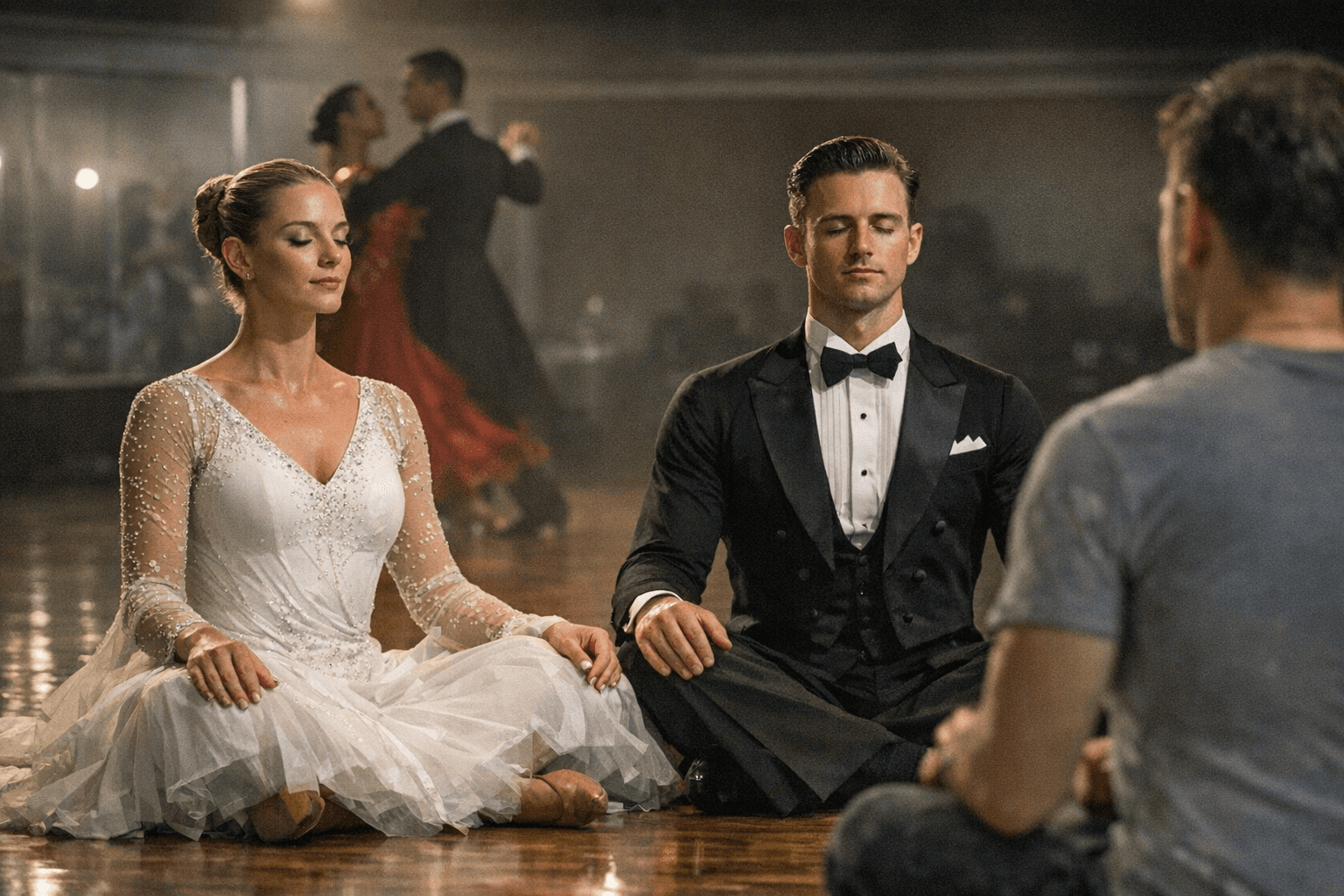
A mixed-methods randomized trial has found that a 12-week mindfulness training program significantly improved psychological resilience, mindfulness levels, and dance performance in competitive International Standard ballroom dancers. The study enrolled 120 dancers, randomly assigned them to an intervention or a control condition, and combined quantitative measures with semi-structured interviews to track change.
The paper, authored by Qian, H., reports that dancers in the mindfulness arm showed statistically significant gains on resilience and mindfulness questionnaires and measurable improvements in judged performance. The investigators also found a strong positive correlation between resilience gains and technical score advancement: r = 0.76, p < 0.001. Twenty-four participants completed semi-structured interviews that yielded qualitative themes of enhanced emotional regulation, increased focus, and better partner communication, skills that dancers and coaches regularly cite as critical for clean lines, musical interpretation, and competitive consistency.
Methodologically the trial is straightforward at the abstract level: 120 competitive International Standard dancers, 12 weeks of mindfulness training, randomized assignment, and a mixed-methods design. Quantitative outcomes were assessed with resilience scales, mindfulness questionnaires, and performance metrics; the qualitative component involved interviews with 24 dancers. The published record gives acceptance and publication dates, accepted 10 November 2025 and published in Mindfulness on 23 January 2026, and lists Qian, H. as the author.
Important practical caveats remain for coaches, teachers, and dancers seeking to adopt similar programs. The published abstract does not name the specific resilience or mindfulness instruments, does not describe the control condition, and does not provide demographic details such as age ranges, gender breakdowns, or the country and institutions where the trial took place. The article summary also lacks full statistical tables (pre/post means, standard deviations, effect sizes) and does not include the mindfulness curriculum, session length, or instructor qualifications. A preregistration note labeled "Ifp Nyu" and a ResearchGate entry are mentioned in ancillary listings, but identifiers and links are not provided in the journal record excerpt.
Despite those gaps, the findings have clear day-to-day value for the dance community: structured mindfulness work appears to strengthen on-floor resilience and technical outcomes while supporting focus and partner communication. Coaches can consider integrating mindfulness practices into rehearsal schedules, but verify program content, instructor training, and outcome measures before adoption. Researchers and practitioners interested in replication should obtain the full article for the detailed methods, request the curriculum and judging criteria from the authors, and check the journal record for DOI and supplementary materials.
For dancers and studios looking to step up mental skills alongside technique, this study points to a promising pathway; the next move is to review the full methodology and program materials so teams can tailor a safe, evidence-informed mindfulness regimen to their training rhythm.
Know something we missed? Have a correction or additional information?
Submit a Tip