Mindfulness Travel Evolves as Luxury Retreats Add Clinical-Grade Programs
Luxury retreats are adding clinical-grade mindfulness programs that combine traditional sits with biofeedback and clinician oversight, changing what guests should check before booking.
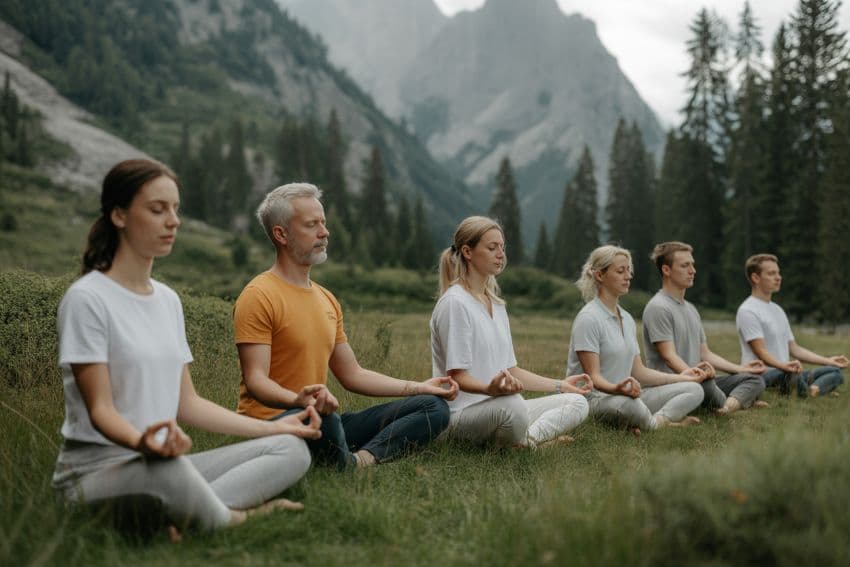
Luxury wellness travel has moved beyond boutique guided meditation to incorporate clinical-grade mindfulness programs that blend ancient practice with modern medicine. Industry survey results show mindfulness and mindfulness-immersive travel have shifted from niche offerings to essential parts of luxury spas, specialized retreats, and medical wellness programs, reshaping the retreat landscape and what guests expect.
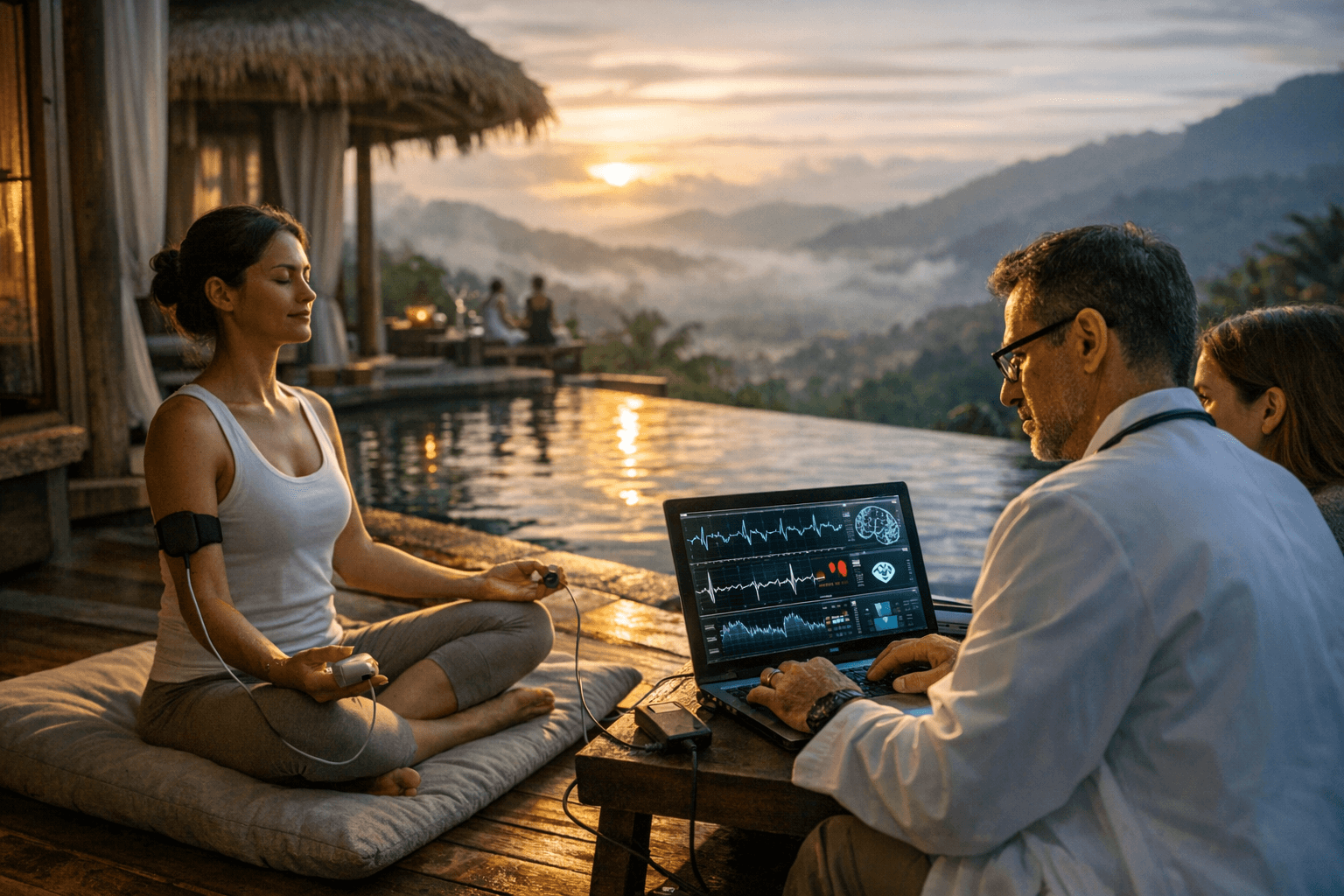
Providers are now offering multi-day meditation immersions, mindful movement sequences, breathwork sessions, and collaborations with monastic communities alongside clinical integrations such as biofeedback and clinician oversight. Retreats that once marketed only scenic silence now advertise clinician supervision, physiological monitoring, and structured follow-up care, signaling a deeper commitment to safety and measurable outcomes. Specialized tracks are appearing for specific life stages and goals, including perimenopause and menopause support and longevity-focused programs that combine lifestyle medicine with contemplative practices.
This evolution matters because it raises both opportunity and responsibility for travelers. The clinical framing can enhance efficacy for attendees with medical or mental health concerns, but it also introduces complexity. Verify teacher credentials and whether programs are trauma-informed or clinically supervised before booking. Ask whether instructors have recognized teacher-lineage training, licensed mental health clinicians are on staff, and whether breathwork and somatic practices are delivered with appropriate safeguards.
Practical checks will protect time and money. Confirm session duration and daily schedule to ensure the retreat container matches your practice needs, and look for explicit silent practice opportunities if you value extended sits. Ask how biofeedback is used and who interprets the data. Request details on medical staff qualifications and what follow-up care or referrals are provided after the retreat ends. These questions matter particularly for people working with trauma, chronic conditions, or major life transitions who may need more structured clinical support.
For the mindfulness community this trend brings both gains and tradeoffs. Greater clinical integration can strengthen research links and standardize outcomes, helping practices like vipassana, metta, and mindful movement gain legitimacy in healthcare settings. At the same time, community members should watch for commodification risks and keep lineage integrity and ethical teaching standards front and center.
Expect continued maturation of the mindfulness travel market, with clearer standards emerging and stronger ties between traditional contemplative training and clinical evidence. Verify credentials, prioritize trauma-informed containers, and treat program claims with a healthy mix of curiosity and scrutiny. As retreats raise the bar, your next silent sit might also come with a heart-rate chart, a clinician debrief, and clearer pathways for integration back home.
Know something we missed? Have a correction or additional information?
Submit a Tip